
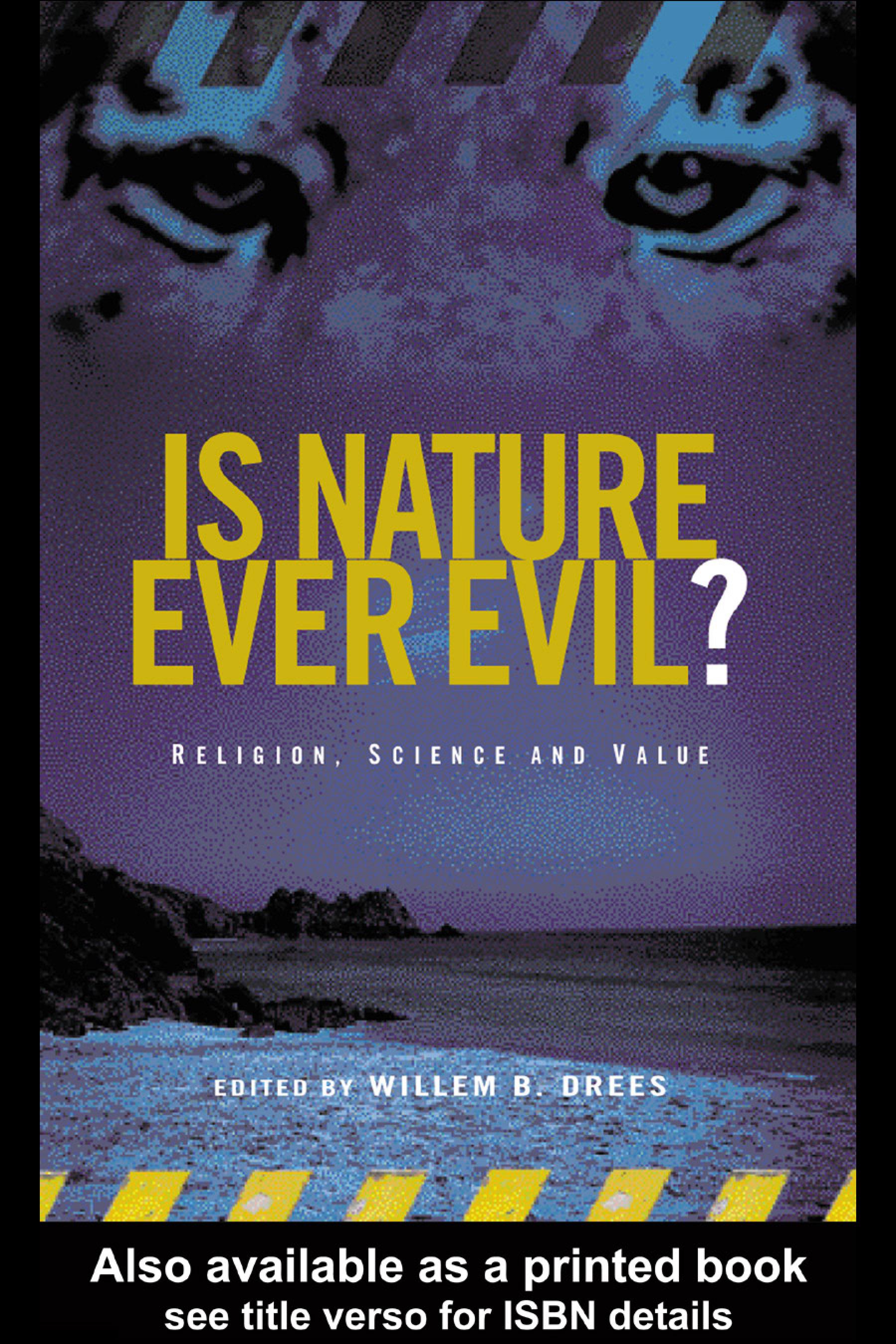
Can nature be evil, or ugly, or wrong? Can we apply moral value to nature?
From a compellingly original premise, under the auspices of major thinkers including Mary Midgley, Philip Hefner, Arnold Benz and Keith Ward, Is Nature Ever Evil? examines the value-structure of our cosmos and of the science that seeks to describe it. Science, says editor Willem B. Drees, claims to leave moral questions to aesthetic and religious theory. But the supposed neutrality of the scientific view masks a host of moral assumptions. How does an ethically transparent science arrive at concepts of a 'hostile' universe or a 'selfish' gene? How do botanists, zoologists, cosmologists and geologists respond to the beauty of the universe they study, reliant as it is upon catastrophe, savagery, power and extinction? Then there are various ways in which science seeks to alter and improve nature. What do prosthetics and gene technology, cyborgs and dairy cows say about our appreciation of nature itself? Surely science, in common with philosophy, magic and religion, can aid our understanding of evil in nature - whether as natural catasrophe, disease, predatory cruelty or mere cosmic indifference?
Focusing on the ethical evaluation of nature itself, Is Nature Ever Evil? re-ignites crucial questions of hope, responsibility, and possibility in nature.
Paga facilmente con carta, Klarna, Apple Pay o Google Pay. Non sei soddisfatto? Hai sempre 14 giorni per il rimborso. Leggi di più nei nostri termini. Per qualsiasi domanda, scrivici a hello@memmo.org.
Memmo rende lo studio più facile, ovunque tu sia nel mondo. Qui trovi i tuoi libri di testo e strumenti di studio intelligenti, tutto in un unico posto: riassunti, quiz, podcast e flashcard. E poi c'è Ted, il tuo compagno di studio che risponde a ogni tua domanda. Oltre 50.000 studenti studiano già qui: è stato creato per aiutarti a imparare più velocemente e a stressarti meno.