
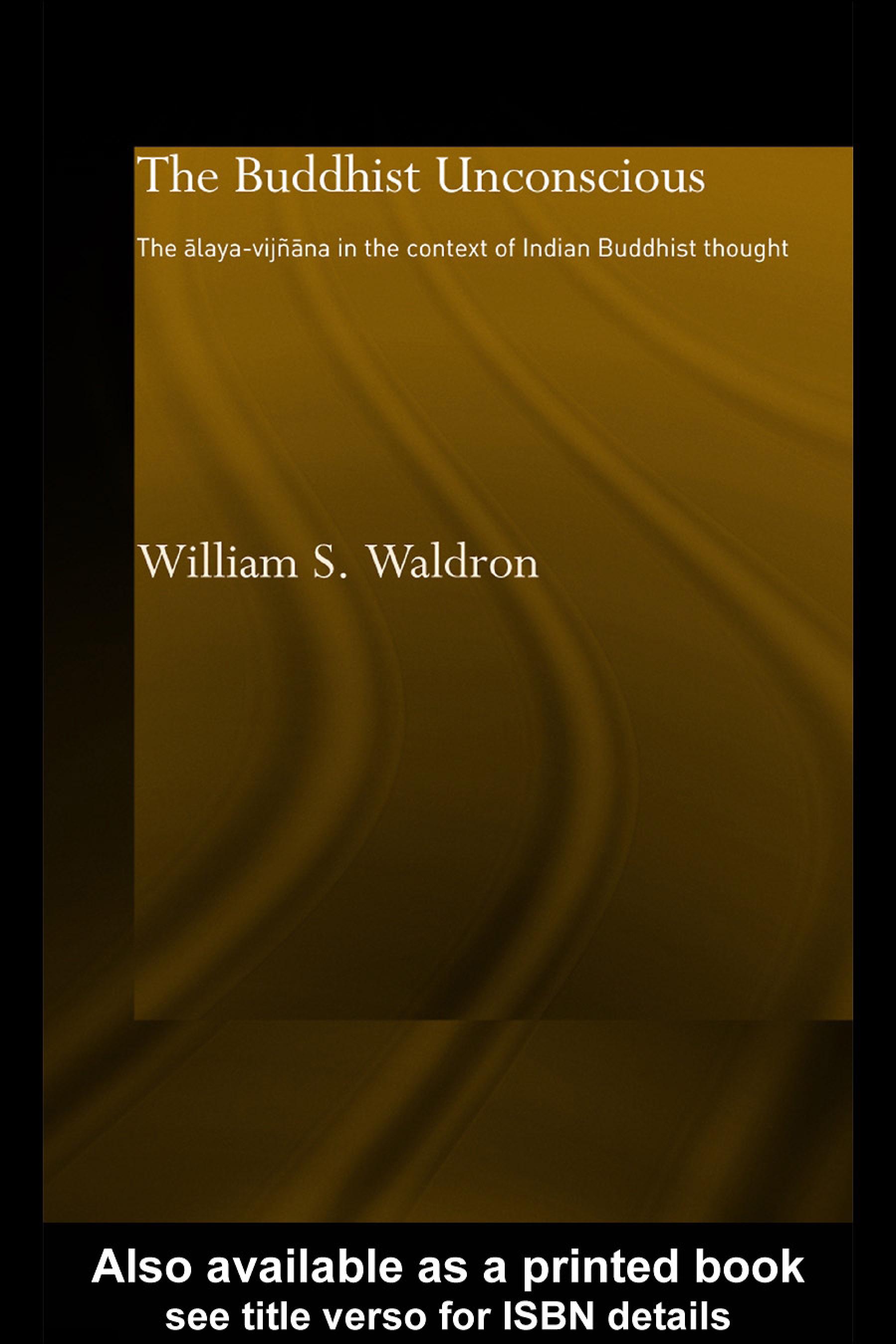
This is the story of fifth century CE India, when the Yogacarin Buddhists tested the awareness of unawareness, and became aware of human unawareness to an extraordinary degree. They not only explicitly differentiated this dimension of mental processes from conscious cognitive processes, but also offered reasoned arguments on behalf of this dimension of mind. This is the concept of the 'Buddhist unconscious', which arose just as philosophical discourse in other circles was fiercely debating the limits of conscious awareness, and these ideas in turn had developed as a systematisation of teachings from the Buddha himself. For us in the twenty-first century, these teachings connect in fascinating ways to the Western conceptions of the 'cognitive unconscious' which have been elaborated in the work of Jung and Freud.
This important study reveals how the Buddhist unconscious illuminates and draws out aspects of current western thinking on the unconscious mind. One of the most intriguing connections is the idea that there is in fact no substantial 'self' underlying all mental activity; 'the thoughts themselves are the thinker'. William S. Waldron considers the implications of this radical notion, which, despite only recently gaining plausibility, was in fact first posited 2,500 years ago.
Paga facilmente con carta, Klarna, Apple Pay o Google Pay. Non sei soddisfatto? Hai sempre 14 giorni per il rimborso. Leggi di più nei nostri termini. Per qualsiasi domanda, scrivici a hello@memmo.org.
Memmo rende lo studio più facile, ovunque tu sia nel mondo. Qui trovi i tuoi libri di testo e strumenti di studio intelligenti, tutto in un unico posto: riassunti, quiz, podcast e flashcard. E poi c'è Ted, il tuo compagno di studio che risponde a ogni tua domanda. Oltre 50.000 studenti studiano già qui: è stato creato per aiutarti a imparare più velocemente e a stressarti meno.
Potrebbe interessarti anche
Acquista il libro0