
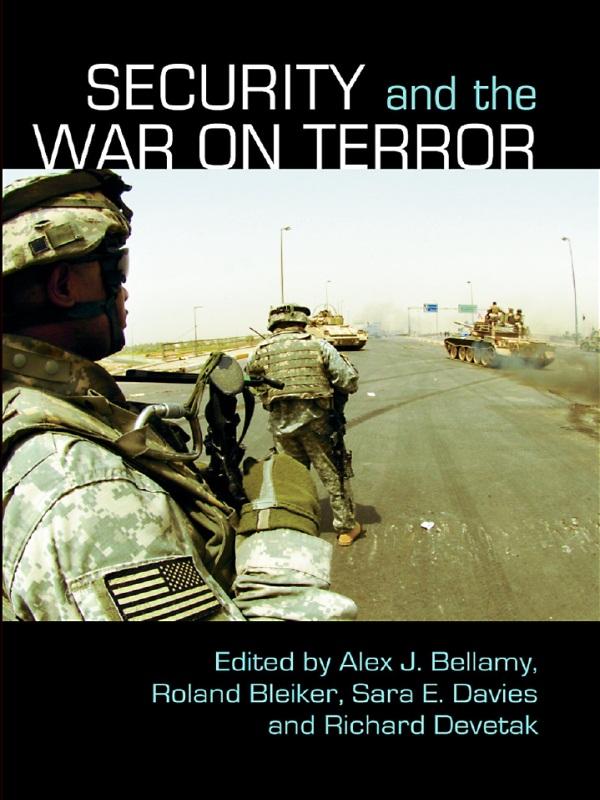
The terrorist attacks of 11 September 2001 marked a turning point in international politics, representing a new type of threat that could not easily be anticipated or prevented through state-based structures of security alone. Opening up interdisciplinary conversations between strategic, economic, ethical and legal approaches to global terrorism, this edited book recognises a fundamental issue: while major crises initially tend to reinforce old thinking and behavioural patterns, they also allow societies to challenge and overcome entrenched habits, thereby creating the foundations for a new and perhaps more peaceful future.
This volume addresses the issues that are at stake in this dual process of political closure, and therefore rethinks how states can respond to terrorist threats. The contributors range from leading conceptual theorists to policy-oriented analysts, from senior academics to junior researchers. The book explores how terrorism has had a profound impact on how security is being understood and implemented, and uses a range of hitherto neglected sources of insight, such as those between political, economic, legal and ethical factors, to examine the nature and meaning of security in a rapidly changing world.
Paga facilmente con carta, Klarna, Apple Pay o Google Pay. Non sei soddisfatto? Hai sempre 14 giorni per il rimborso. Leggi di più nei nostri termini. Per qualsiasi domanda, scrivici a hello@memmo.org.
Memmo rende lo studio più facile, ovunque tu sia nel mondo. Qui trovi i tuoi libri di testo e strumenti di studio intelligenti, tutto in un unico posto: riassunti, quiz, podcast e flashcard. E poi c'è Ted, il tuo compagno di studio che risponde a ogni tua domanda. Oltre 50.000 studenti studiano già qui: è stato creato per aiutarti a imparare più velocemente e a stressarti meno.