
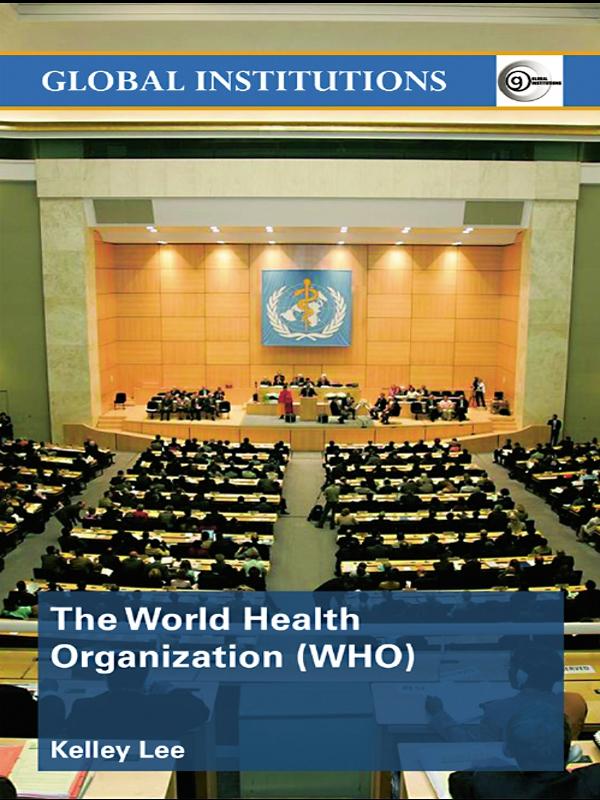
The World Health Organization (WHO), as the United Nations specialized agency for health, has been at the centre of international health cooperation for over sixty years. With origins dating from the nineteenth century, WHO’s mandate is the attainment by all people of the highest possible level of health. The huge challenge of fulfilling this objective has not only required high-level technical skills, but has led the organization to engage with a broad range of political and economic interests. WHO has enjoyed many high-profile successes such as the global eradication of smallpox and SARS, and ongoing campaigns against polio and other diseases. On other issues, such as essential drugs, tobacco control and diet and nutrition, efforts to tackle the broader determinants of health has brought the organization into contact with issues such as globalization, poverty, social justice and human rights.
Kelley Lee analyzes the WHO’s role in international cooperation, examining its changing structures, key programmes and individuals. Of particular focus are the challenges WHO has faced in recent years given the emergence of other global health initiatives and how WHO has sought to remain effective as the "world’s health conscience" within an increasingly complex global context.
Paga facilmente con carta, Klarna, Apple Pay o Google Pay. Non sei soddisfatto? Hai sempre 14 giorni per il rimborso. Leggi di più nei nostri termini. Per qualsiasi domanda, scrivici a hello@memmo.org.
Memmo rende lo studio più facile, ovunque tu sia nel mondo. Qui trovi i tuoi libri di testo e strumenti di studio intelligenti, tutto in un unico posto: riassunti, quiz, podcast e flashcard. E poi c'è Ted, il tuo compagno di studio che risponde a ogni tua domanda. Oltre 50.000 studenti studiano già qui: è stato creato per aiutarti a imparare più velocemente e a stressarti meno.