
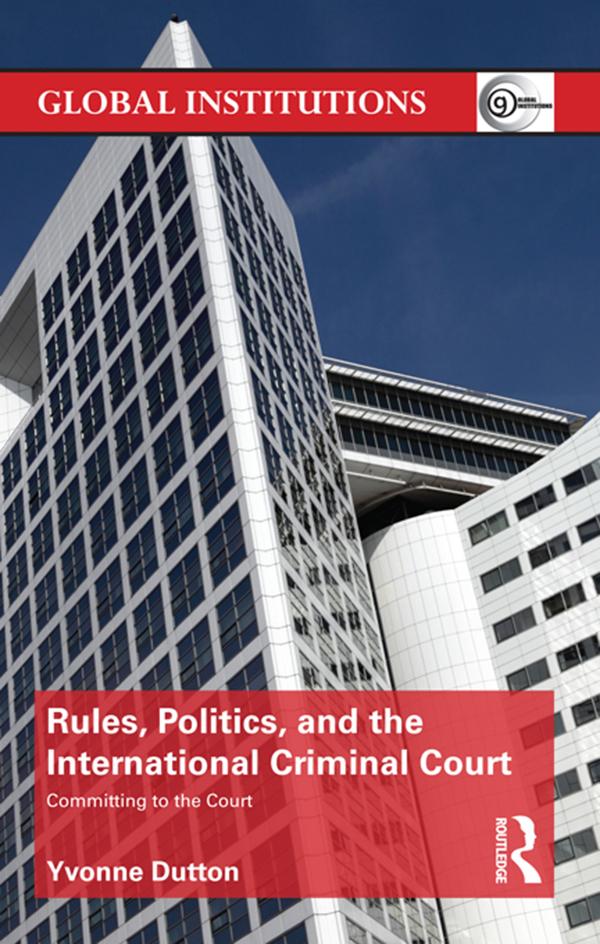
In this new work, Dutton examines the ICC and whether and how its enforcement mechanism influences state membership and the court’s ability to realize treaty goals, examining questions such as:
- Why did states decide to create the ICC and design the institution with this uniquely strong enforcement mechanism?
- Will the ICC’s enforcement mechanism be sufficient to hold states accountable to their commitment so that the ICC can realize its goal of ending impunity for genocide, crimes against humanity, and war crimes?
- Will states view the ICC’s enforcement mechanism as a credible threat and refuse to join unless they already have good domestic human rights practices and institutions that are independent and capable of prosecuting human rights abuses?
- If states that most need to improve their domestic legal practices as relates to protecting against human rights abuses do not join the court, is there any hope that the threat of punishment by the ICC can play a role in bettering state’s human rights practices and deterring individuals from committing mass atrocities?
This work provides a significant contribution to the field, and will be of great interest to students and scholars of international law, international relations, international organizations and human rights.
Paga facilmente con carta, Klarna, Apple Pay o Google Pay. Non sei soddisfatto? Hai sempre 14 giorni per il rimborso. Leggi di più nei nostri termini. Per qualsiasi domanda, scrivici a hello@memmo.org.
Memmo rende lo studio più facile, ovunque tu sia nel mondo. Qui trovi i tuoi libri di testo e strumenti di studio intelligenti, tutto in un unico posto: riassunti, quiz, podcast e flashcard. E poi c'è Ted, il tuo compagno di studio che risponde a ogni tua domanda. Oltre 50.000 studenti studiano già qui: è stato creato per aiutarti a imparare più velocemente e a stressarti meno.