
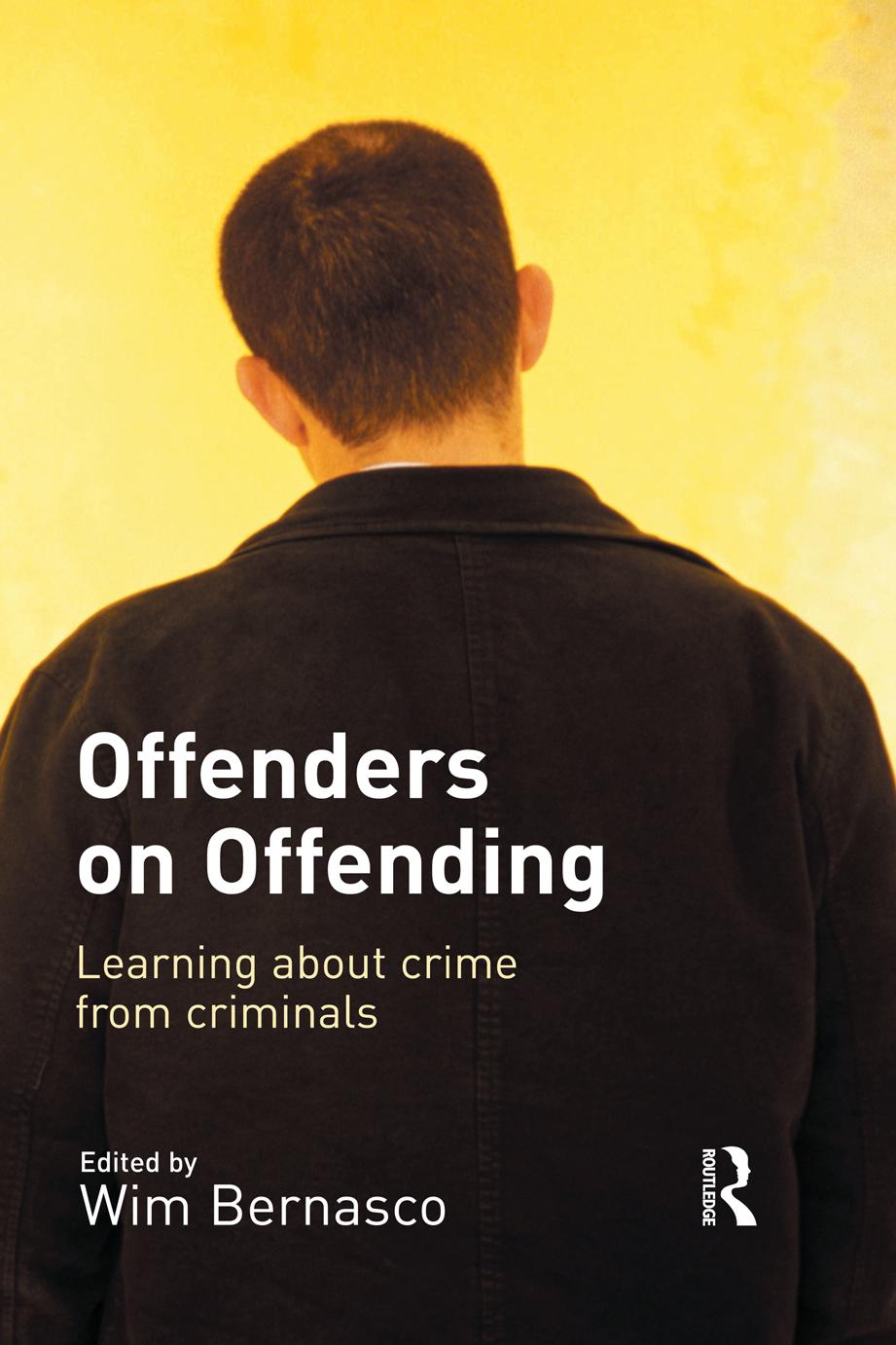
Our knowledge of crime is based on three types of sources: the criminal justice system, victims, and offenders. For technological and other reasons the criminal justice system produces an increasing stream of information on crime. The rise of the victimization survey has given the victims a much larger role in our study of crime. There is, however, no concomitant development regarding offenders. This is unfortunate because offenders are the experts when it comes to offending.In order to understand criminal behavior, we need their perspective.
This is not always a straightforward process, however, and information from offenders is often unreliable. This book is about what we can do to maximise the validity of what offenders tell us about their offending. Renowned experts from various countries present their experiences and insights, with a clear focus on methodological issues of fieldwork among various types of offender populations. Each contribution deals with with a few central issues:
- How can offenders be motivated to participate in research?
- How can offenders be motivated to tell the truth on their offending?
- How can the information that offenders provide be checked and validated?
- What can we learn from offenders that cannot be accessed from other sources?
- With the aim of obtaining valid and reliable information, how, where and under which conditions should we observe offenders and talk to them?
Paga facilmente con carta, Klarna, Apple Pay o Google Pay. Non sei soddisfatto? Hai sempre 14 giorni per il rimborso. Leggi di più nei nostri termini. Per qualsiasi domanda, scrivici a hello@memmo.org.
Memmo rende lo studio più facile, ovunque tu sia nel mondo. Qui trovi i tuoi libri di testo e strumenti di studio intelligenti, tutto in un unico posto: riassunti, quiz, podcast e flashcard. E poi c'è Ted, il tuo compagno di studio che risponde a ogni tua domanda. Oltre 50.000 studenti studiano già qui: è stato creato per aiutarti a imparare più velocemente e a stressarti meno.