
Dyes, pigments and metals are extensively used in food, paper, carpet, rubber, plastics, cosmetics, and textile industries, in order to color and finish products. As a result, they generate a considerable amount of coloured wastewater rich in organic, inorganic, and mineral substances which are continuously polluting the water bodies and affecting human and aquatic life. Besides these industries, urban and agricultural activities also generate effluents high in biochemical oxygen demand (BOD) and chemical oxygen demand (COD). In recent years, considerable research work has been done in this area and is underway to eliminate heavy metals particularly mercury (Hg), chromium (Cr), lead (Pb), selenium and cadmium (Cd) and synthetic dyes from polluted waters which have high toxicity and carcinogenicity.
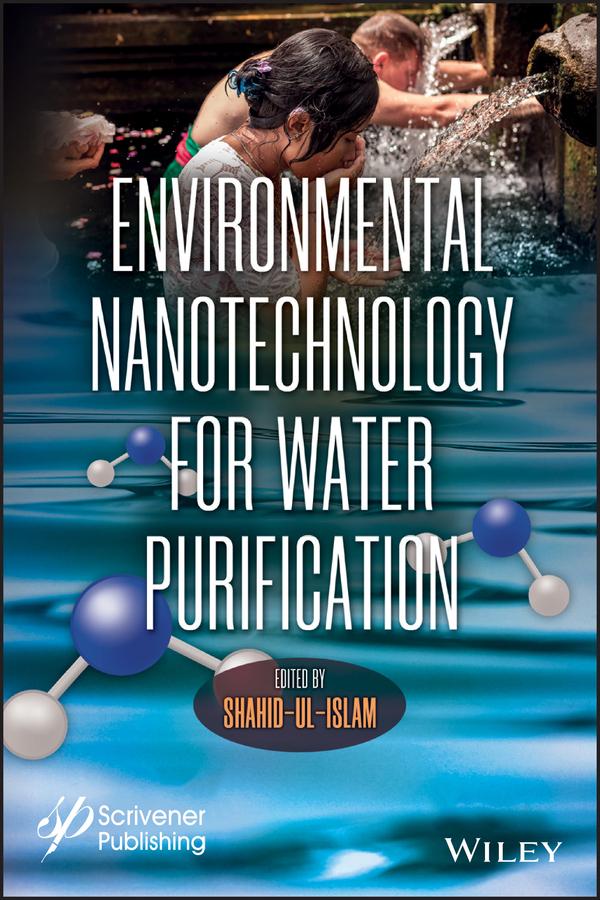
Currently a number of methods are in operation to decontaminate the polluted waters. Among several purification technologies, use of nanoparticles/composites have gained much attention as efficient purification technology due to its many advantages such as simple synthesis, special chemical and physical properties, unique photocatalytic activity and beneficial antimicrobial properties and high efficiency. The book Environmental Nanotechnology for Water Purification comprehensively covers and provides new insights on all nanoparticles, composites and advanced methods employed in water purification.
Paga facilmente con carta, Klarna, Apple Pay o Google Pay. Non sei soddisfatto? Hai sempre 14 giorni per il rimborso. Leggi di più nei nostri termini. Per qualsiasi domanda, scrivici a hello@memmo.org.
Memmo rende lo studio più facile, ovunque tu sia nel mondo. Qui trovi i tuoi libri di testo e strumenti di studio intelligenti, tutto in un unico posto: riassunti, quiz, podcast e flashcard. E poi c'è Ted, il tuo compagno di studio che risponde a ogni tua domanda. Oltre 50.000 studenti studiano già qui: è stato creato per aiutarti a imparare più velocemente e a stressarti meno.