
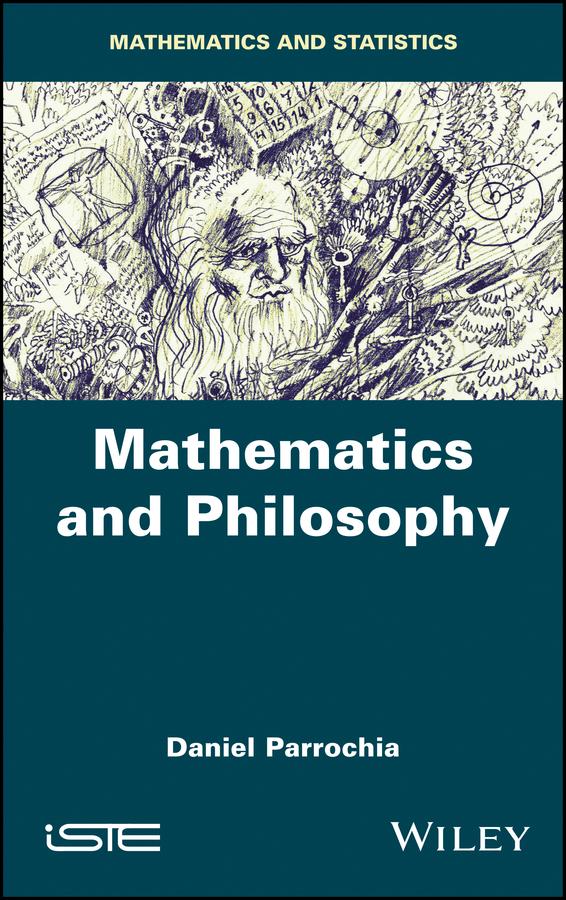
This book, which studies the links between mathematics and philosophy, highlights a reversal. Initially, the (Greek) philosophers were also mathematicians (geometers). Their vision of the world stemmed from their research in this field (rational and irrational numbers, problem of duplicating the cube, trisection of the angle...). Subsequently, mathematicians freed themselves from philosophy (with Analysis, differential Calculus, Algebra, Topology, etc.), but their researches continued to inspire philosophers (Descartes, Leibniz, Hegel, Husserl, etc.). However, from a certain level of complexity, the mathematicians themselves became philosophers (a movement that begins with Wronsky and Clifford, and continues until Grothendieck).
Paga facilmente con carta, Klarna, Apple Pay o Google Pay. Non sei soddisfatto? Hai sempre 14 giorni per il rimborso. Leggi di più nei nostri termini. Per qualsiasi domanda, scrivici a hello@memmo.org.
Memmo rende lo studio più facile, ovunque tu sia nel mondo. Qui trovi i tuoi libri di testo e strumenti di studio intelligenti, tutto in un unico posto: riassunti, quiz, podcast e flashcard. E poi c'è Ted, il tuo compagno di studio che risponde a ogni tua domanda. Oltre 50.000 studenti studiano già qui: è stato creato per aiutarti a imparare più velocemente e a stressarti meno.