
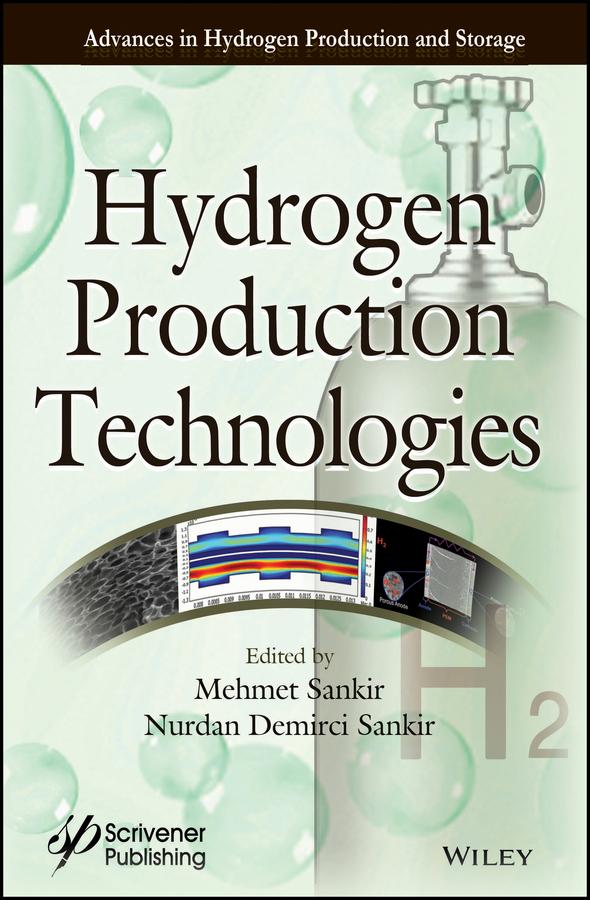
Provides a comprehensive practical review of the new technologies used to obtain hydrogen more efficiently via catalytic, electrochemical, bio- and photohydrogen production.
Hydrogen has been gaining more attention in both transportation and stationary power applications. Fuel cell-powered cars are on the roads and the automotive industry is demanding feasible and efficient technologies to produce hydrogen.
The principles and methods described herein lead to reasonable mitigation of the great majority of problems associated with hydrogen production technologies. The chapters in this book are written by distinguished authors who have extensive experience in their fields, and readers will have a chance to compare the fundamental production techniques and learn about the pros and cons of these technologies.
The book is organized into three parts. Part I shows the catalytic and electrochemical principles involved in hydrogen production technologies. Part II addresses hydrogen production from electrochemically active bacteria (EAB) by decomposing organic compound into hydrogen in microbial electrolysis cells (MECs). The final part of the book is concerned with photohydrogen generation. Recent developments in the area of semiconductor-based nanomaterials, specifically semiconductor oxides, nitrides and metal free semiconductor-based nanomaterials for photocatalytic hydrogen production are extensively discussed.
Paga facilmente con carta, Klarna, Apple Pay o Google Pay. Non sei soddisfatto? Hai sempre 14 giorni per il rimborso. Leggi di più nei nostri termini. Per qualsiasi domanda, scrivici a hello@memmo.org.
Memmo rende lo studio più facile, ovunque tu sia nel mondo. Qui trovi i tuoi libri di testo e strumenti di studio intelligenti, tutto in un unico posto: riassunti, quiz, podcast e flashcard. E poi c'è Ted, il tuo compagno di studio che risponde a ogni tua domanda. Oltre 50.000 studenti studiano già qui: è stato creato per aiutarti a imparare più velocemente e a stressarti meno.