
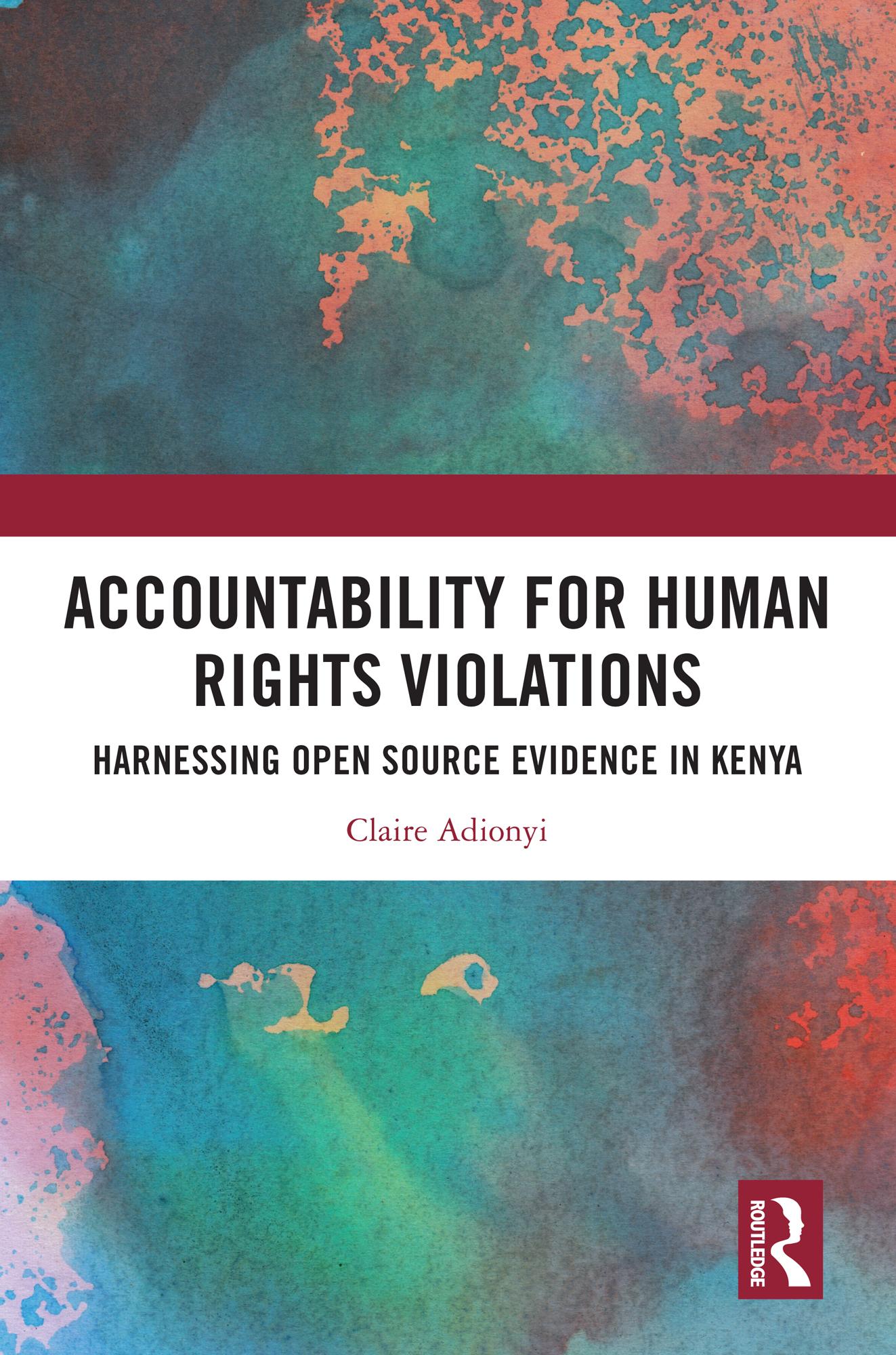
This book analyses how open source evidence can be harnessed to enhance accountability for human rights violations in Kenya. Building upon existing literature that has demonstrated its potential to radically transform the way investigations are conducted and how information is collected and analysed, it argues for the development of a legal framework to facilitate the use of open source evidence in court. This framework is developed by incorporating best practices gleaned from a comparative analysis of the national jurisprudence from leading common law jurisdictions and an assessment of prevailing international standards. The research supporting it further incorporates primary data from a systematic case study, a survey and key informant interviews targeting legal practitioners, criminal investigators and members of the judiciary in Kenya. In examining and proposing a standardised and reproducible framework for the determination of the admissibility of open source evidence in domestic legal proceedings within a common law legal system, the work will be a valuable resource for academics, researchers and policy-makers working in the areas of International Human Rights Law, International Criminal Law, Evidence Law, Law and Technology, Comparative Law and Accountability Studies.
Paga facilmente con carta, Klarna, Apple Pay o Google Pay. Non sei soddisfatto? Hai sempre 14 giorni per il rimborso. Leggi di più nei nostri termini. Per qualsiasi domanda, scrivici a hello@memmo.org.
Memmo rende lo studio più facile, ovunque tu sia nel mondo. Qui trovi i tuoi libri di testo e strumenti di studio intelligenti, tutto in un unico posto: riassunti, quiz, podcast e flashcard. E poi c'è Ted, il tuo compagno di studio che risponde a ogni tua domanda. Oltre 50.000 studenti studiano già qui: è stato creato per aiutarti a imparare più velocemente e a stressarti meno.
Potrebbe interessarti anche
Acquista il libro0