
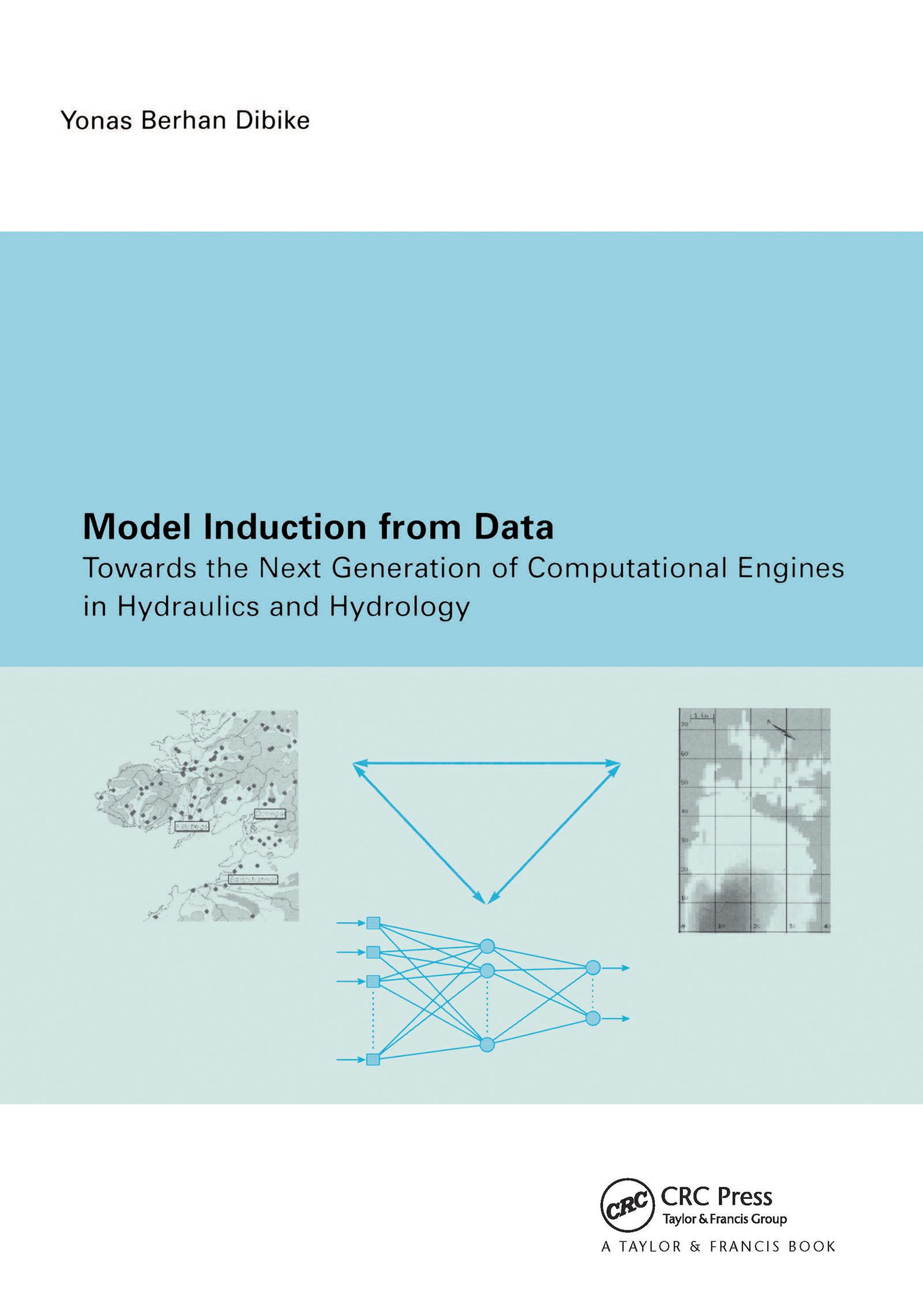
There has been an explosive growth of methods in recent years for learning (or estimating dependency) from data, where data refers to known samples that are combinations of inputs and corresponding outputs of a given physical system. The main subject addressed in this thesis is model induction from data for the simulation of hydrodynamic processes in the aquatic environment. Firstly, some currently popular artificial neural network architectures are introduced, and it is then argued that these devices can be regarded as domain knowledge incapsulators by applying the method to the generation of wave equations from hydraulic data and showing how the equations of numerical-hydraulic models can, in their turn, be recaptured using artificial neural networks. The book also demonstrates how artificial neural networks can be used to generate numerical operators on non-structured grids for the simulation of hydrodynamic processes in two-dimensional flow systems and a methodology has been derived for developing generic hydrodynamic models using artificial neural network. The book also highlights one other model induction technique, namely that of support vector machine, as an emerging new method with a potential to provide more robust models.
Paga facilmente con carta, Klarna, Apple Pay o Google Pay. Non sei soddisfatto? Hai sempre 14 giorni per il rimborso. Leggi di più nei nostri termini. Per qualsiasi domanda, scrivici a hello@memmo.org.
Memmo rende lo studio più facile, ovunque tu sia nel mondo. Qui trovi i tuoi libri di testo e strumenti di studio intelligenti, tutto in un unico posto: riassunti, quiz, podcast e flashcard. E poi c'è Ted, il tuo compagno di studio che risponde a ogni tua domanda. Oltre 50.000 studenti studiano già qui: è stato creato per aiutarti a imparare più velocemente e a stressarti meno.