
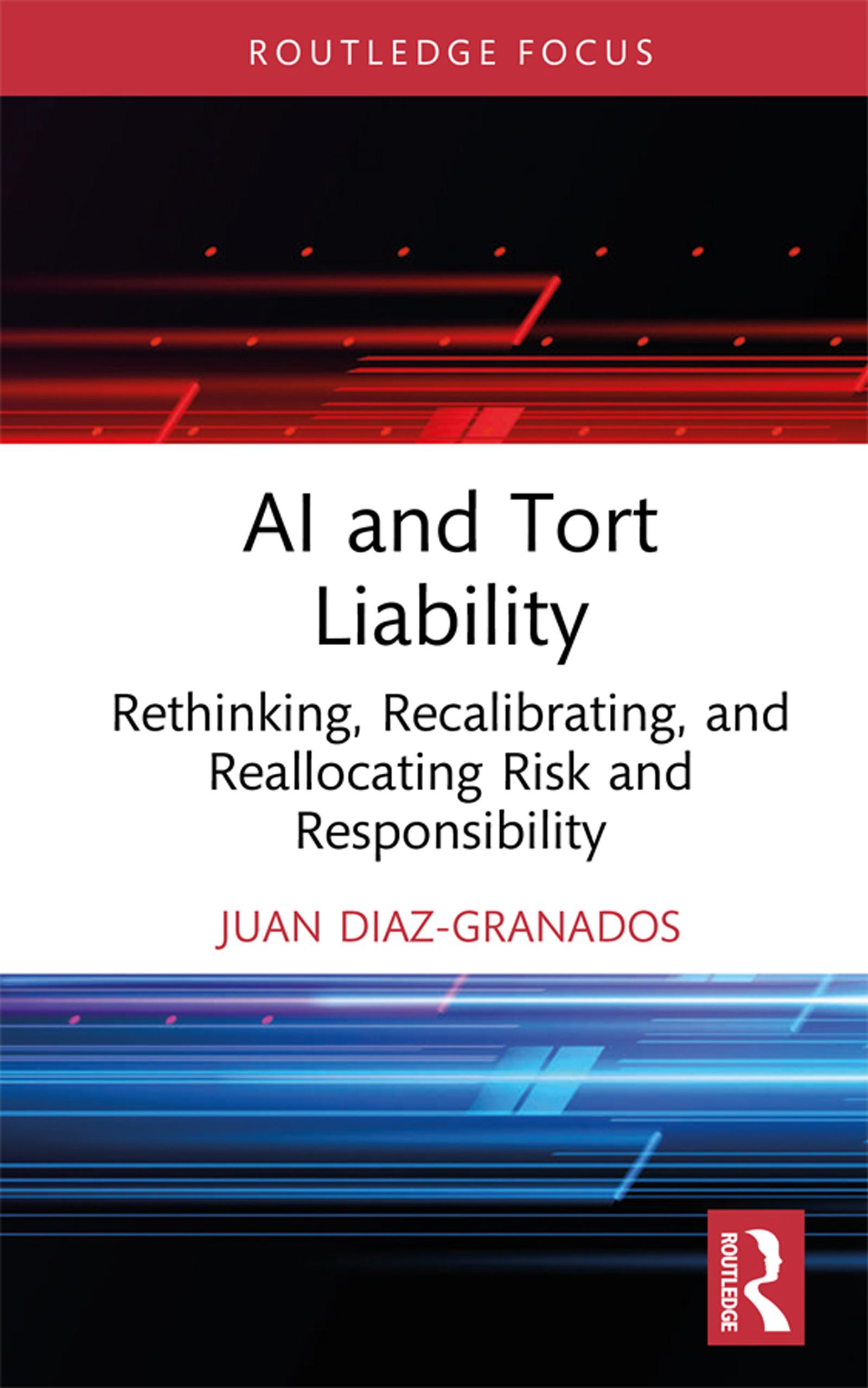
This book provides a novel framework for adapting tort law to the challenges of artificial intelligence (AI) in all of its forms—from machine learning to generative models to autonomous and agentic systems.
Centered on a liability matrix, this book maps AI systems into four zones according to their private and public risks and benefits, and it prescribes tailored liability mechanisms for each. These range from flexible, fault-based models with safe harbors for low-risk, high-benefit technologies, to strict liability, rebuttable presumptions of causation and even moratoriums for systems that pose grave public dangers without delivering corresponding public value. Combining rigorous doctrinal analysis with practical policy tools, the book addresses complex issues such as fault attribution, causation, compensable harm, evidentiary burdens and distributed responsibility.
Clear, concise and globally relevant, this book provides an adaptable approach that courts, policy makers and industry leaders can apply to real-world AI governance. It will appeal to legal scholars, postgraduate students, regulators, judges and AI governance specialists seeking to understand—and shape—how tort law can both protect society and enable responsible innovation in the age of AI.
Paga facilmente con carta, Klarna, Apple Pay o Google Pay. Non sei soddisfatto? Hai sempre 14 giorni per il rimborso. Leggi di più nei nostri termini. Per qualsiasi domanda, scrivici a hello@memmo.org.
Memmo rende lo studio più facile, ovunque tu sia nel mondo. Qui trovi i tuoi libri di testo e strumenti di studio intelligenti, tutto in un unico posto: riassunti, quiz, podcast e flashcard. E poi c'è Ted, il tuo compagno di studio che risponde a ogni tua domanda. Oltre 50.000 studenti studiano già qui: è stato creato per aiutarti a imparare più velocemente e a stressarti meno.