
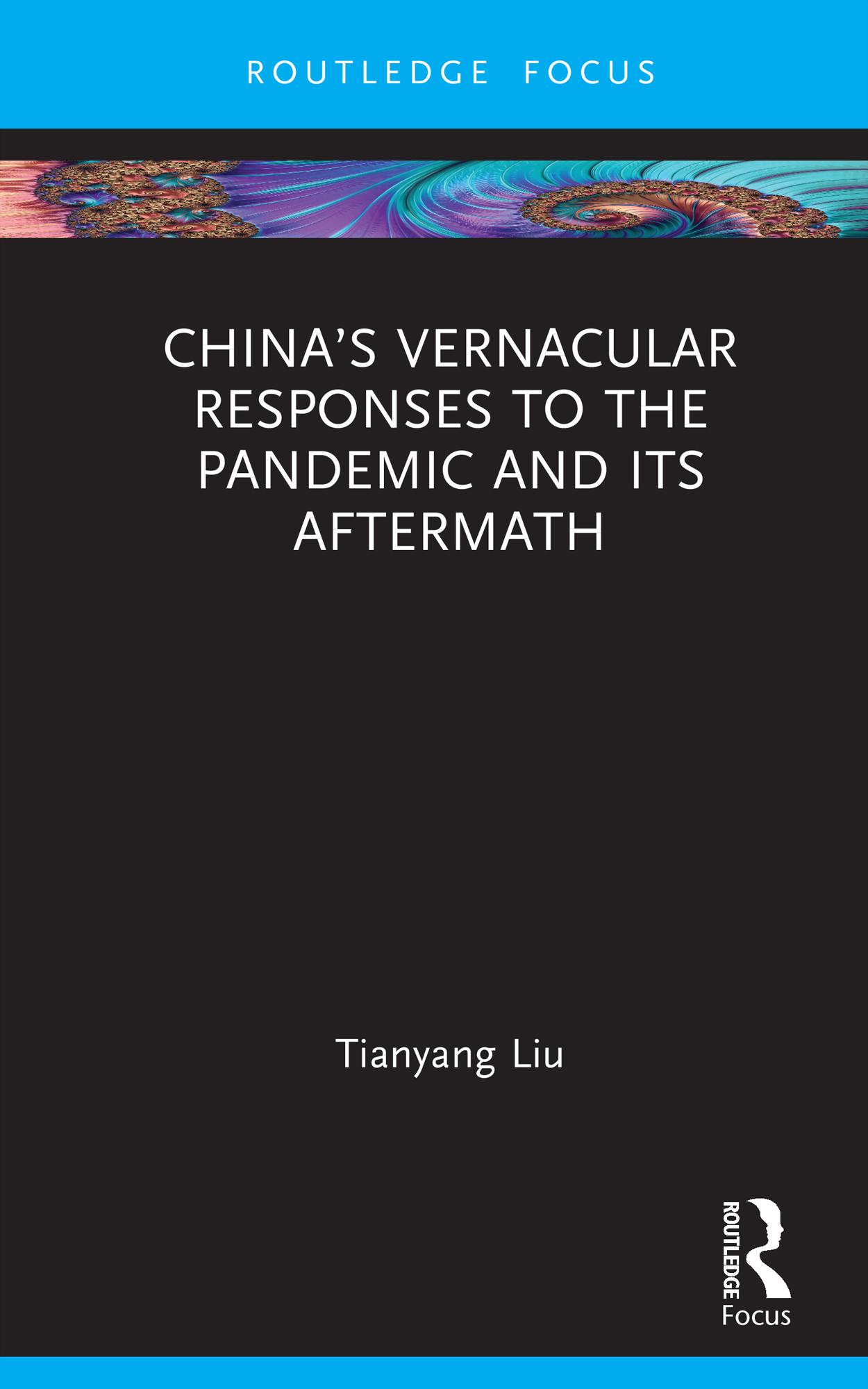
Rather than focusing solely on government policy, the book explores everyday life in urban and rural China during the pandemic. It shows how people navigated uncertainty and how those experiences continue to shape daily practices after the crisis. It also explores how large-scale public health measures were interpreted and adapted.
Drawing on interviews, digital diaries, and fieldwork conducted from 2020 to 2025, the book compares urban experiences in Wuhan with rural responses in provinces such as Henan and Hubei. The book highlights well-known moments, such as the Wuhan lockdown, village checkpoints, and community self-organisation. It also examines less visible practices, including mutual aid, humor, informal care, and everyday moral decision-making. A distinctive contribution of the book is its focus on the post-pandemic period. Rather than treating recovery as a return to normal life, the book illustrates how people gradually rebuild routines, relationships, and expectations amid ongoing uncertainty. The book treats the pandemic not as a temporary disruption followed by recovery but as a formative experience that reshapes how ordinary people understand responsibility, security, and everyday life over time.
This book will be valuable for scholars and students of politics, public health, and sociology, especially those interested in the unique Chinese experience of the pandemic.
Paga facilmente con carta, Klarna, Apple Pay o Google Pay. Non sei soddisfatto? Hai sempre 14 giorni per il rimborso. Leggi di più nei nostri termini. Per qualsiasi domanda, scrivici a hello@memmo.org.
Memmo rende lo studio più facile, ovunque tu sia nel mondo. Qui trovi i tuoi libri di testo e strumenti di studio intelligenti, tutto in un unico posto: riassunti, quiz, podcast e flashcard. E poi c'è Ted, il tuo compagno di studio che risponde a ogni tua domanda. Oltre 50.000 studenti studiano già qui: è stato creato per aiutarti a imparare più velocemente e a stressarti meno.