
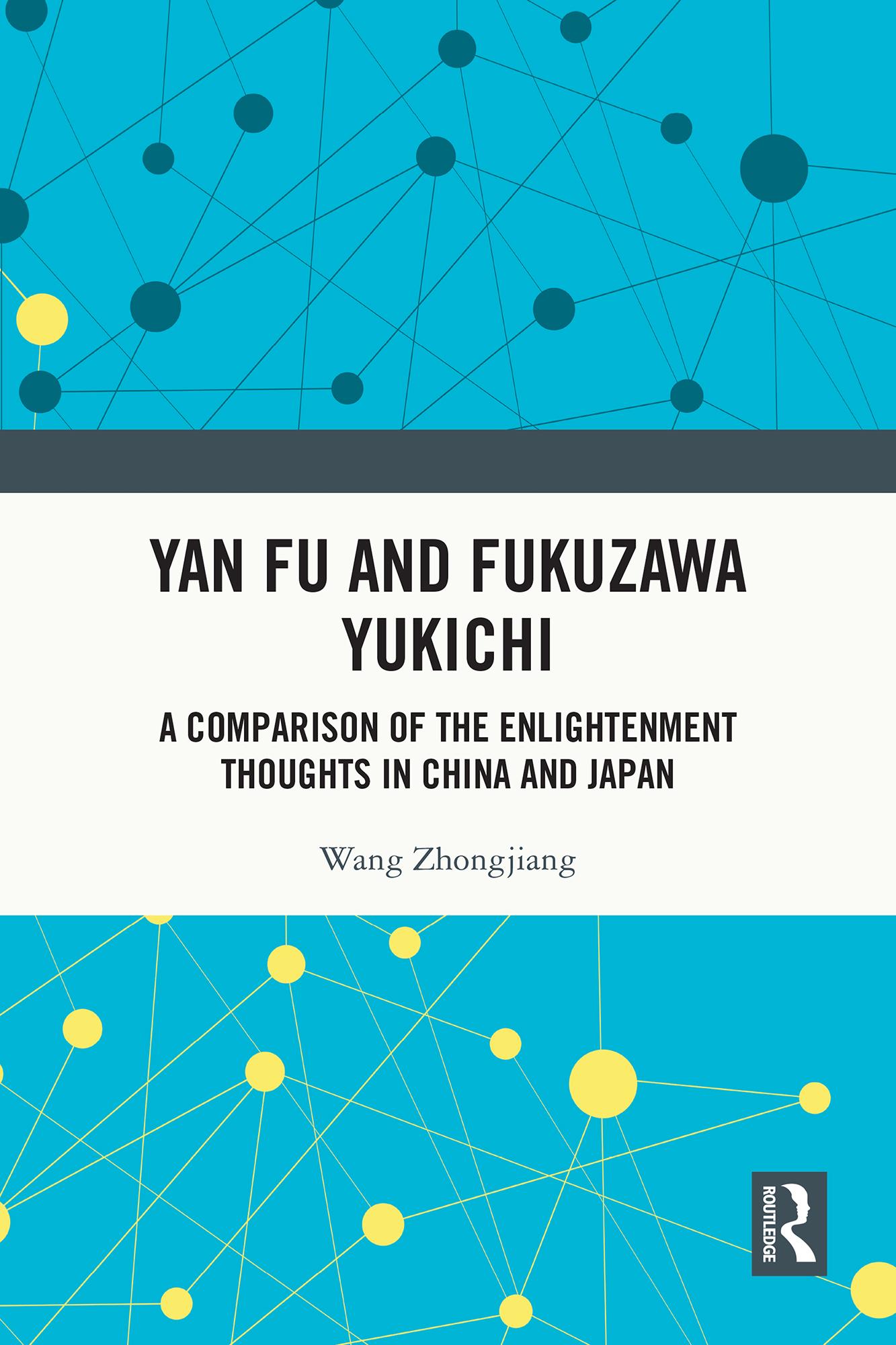
This book compares the enlightenment thought of China and Japan amid 19th-century Western imperialism, offering a groundbreaking analysis of how two iconic thinkers shaped their nations’ divergent paths to modernity.
Through 12 analytical chapters, the book explores how Yan Fu of China and Fukuzawa Yukichi of Japan navigated the paradox of tradition versus progress. Key themes include their contrasting approaches to Western science, political freedom, economic reform, and cultural identity, revealing why Japan embraced rapid modernization while China struggled. The work dissects critical frameworks such as “Chinese essence/Western application” versus “Japanese spirit/Western knowledge” and is enriched by an analysis of archival documents on their views on law, religion, education, and historical evolution. By juxtaposing closed-door policies of Ming/Qing China and Tokugawa Japan with post-collision transformations, it illuminates how enlightenment ideals fueled national survival.
This cross-cultural analysis is essential for historians, Asian studies scholars, and policymakers as it bridges philosophy, political science, and intellectual history. Librarians and educators will appreciate its relevance to debates on global modernization and ongoing cultural dialogues in East Asia.
Paga facilmente con carta, Klarna, Apple Pay o Google Pay. Non sei soddisfatto? Hai sempre 14 giorni per il rimborso. Leggi di più nei nostri termini. Per qualsiasi domanda, scrivici a hello@memmo.org.
Memmo rende lo studio più facile, ovunque tu sia nel mondo. Qui trovi i tuoi libri di testo e strumenti di studio intelligenti, tutto in un unico posto: riassunti, quiz, podcast e flashcard. E poi c'è Ted, il tuo compagno di studio che risponde a ogni tua domanda. Oltre 50.000 studenti studiano già qui: è stato creato per aiutarti a imparare più velocemente e a stressarti meno.