
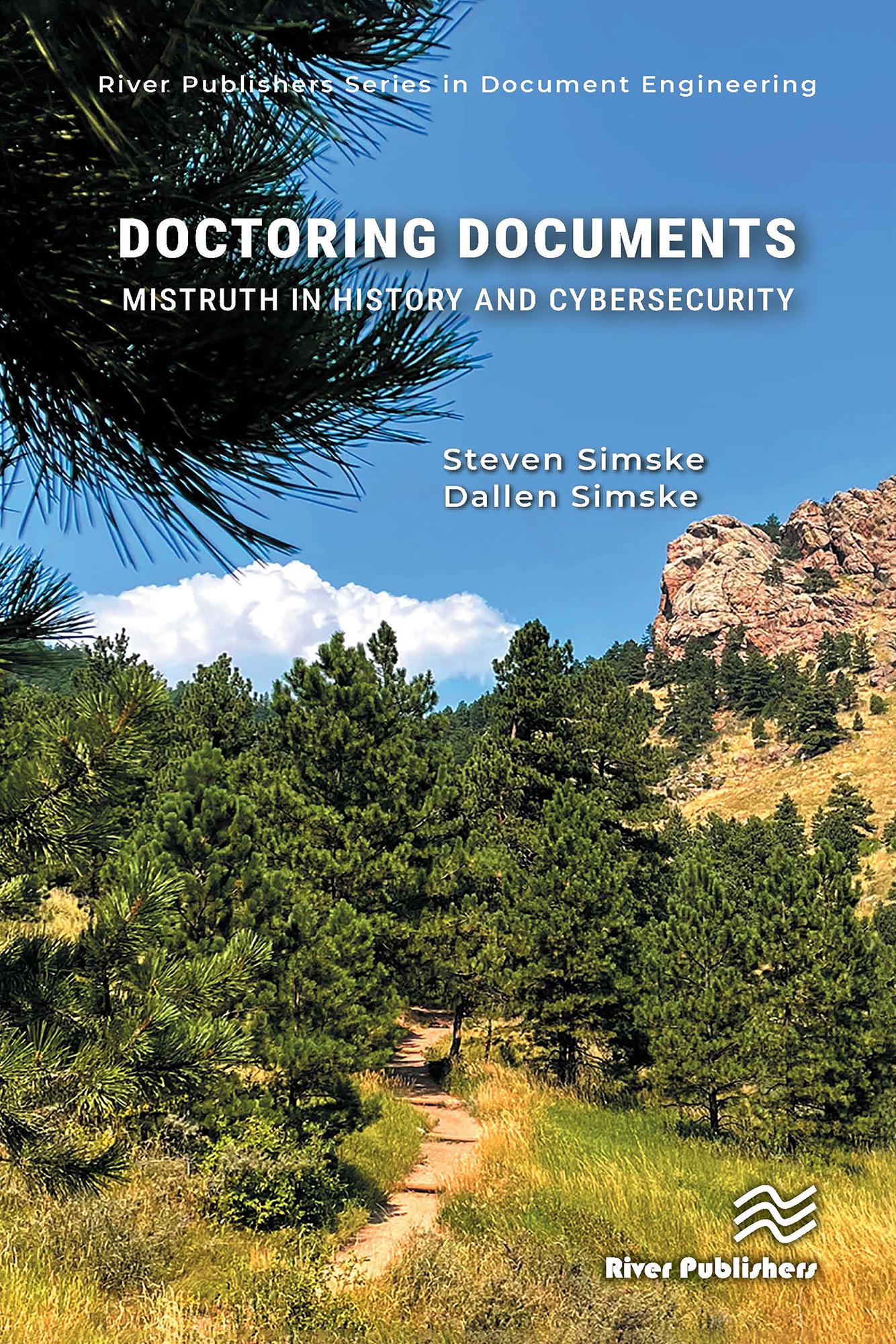
This book explores the primary methods, presented as a set of thirteen patterns, used to insert mistruth in historical narratives. These patterns culminate in the broadest of patterns, versioning and propaganda, which are used to show that mistruth is unavoidable in any historical narrative. This also supports the argument that a primary task of the historian is to provide their own contextual considerations sufficiently to help their readers create their own version. The value of a deep, mistruth-aware analysis of history is thus shown to be crucial for understanding how to protect data of all types in today’s electronic society.
In the Internet age, the history, literature, culture, and training of humans has increasingly moved on-line. While this makes traditionally difficult-to-access content available (in theory) to all, it also exposes the truth associated with these hallmarks of civilization to attack by those who wish to replace it with their own version of history, literature, culture, and learning.
Each chapter includes a brief “cyber salon” applying the historical principles to the field of cybersecurity, which is of critical importance to preserving truth in an on-line world.
Paga facilmente con carta, Klarna, Apple Pay o Google Pay. Non sei soddisfatto? Hai sempre 14 giorni per il rimborso. Leggi di più nei nostri termini. Per qualsiasi domanda, scrivici a hello@memmo.org.
Memmo rende lo studio più facile, ovunque tu sia nel mondo. Qui trovi i tuoi libri di testo e strumenti di studio intelligenti, tutto in un unico posto: riassunti, quiz, podcast e flashcard. E poi c'è Ted, il tuo compagno di studio che risponde a ogni tua domanda. Oltre 50.000 studenti studiano già qui: è stato creato per aiutarti a imparare più velocemente e a stressarti meno.