
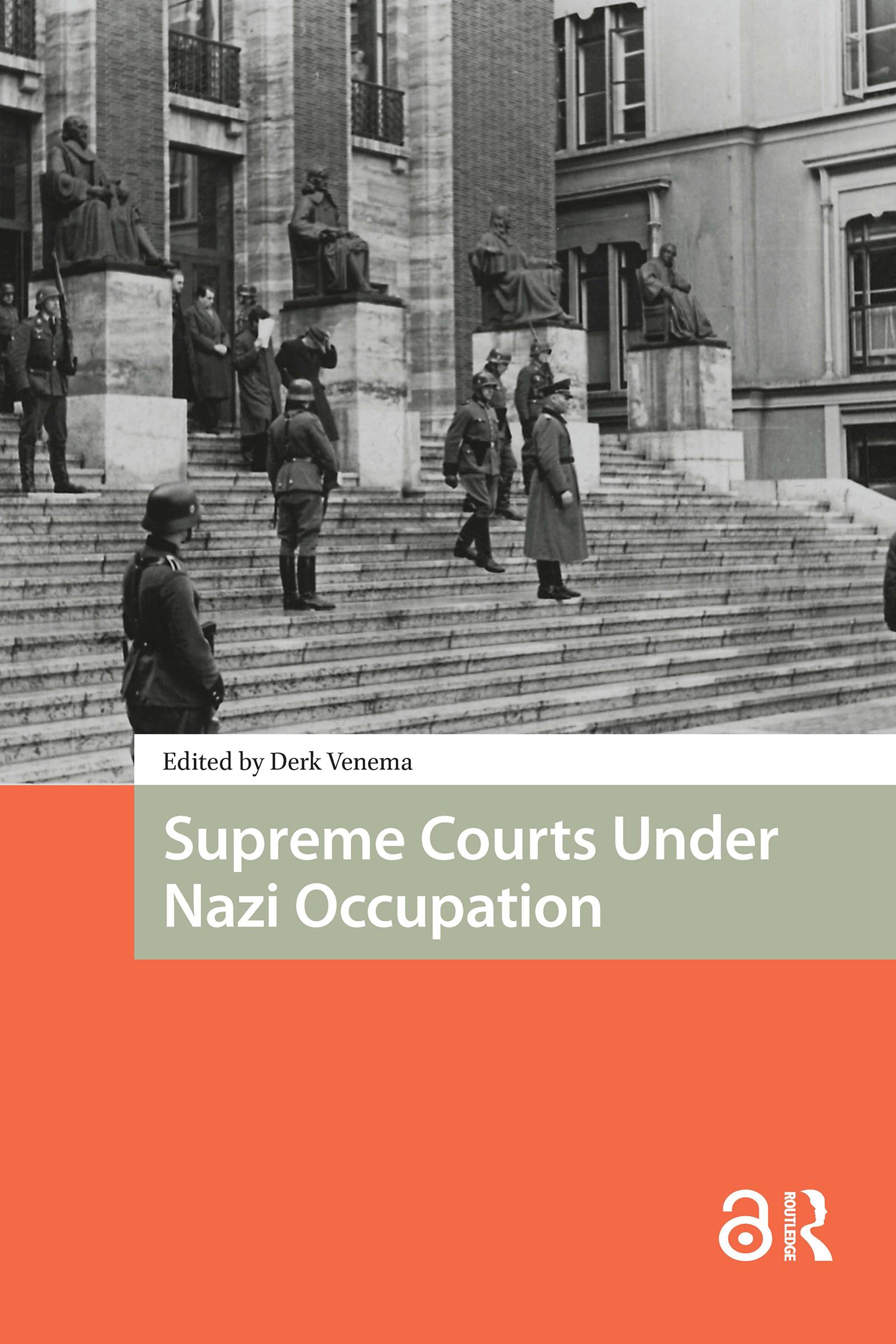
This is the first extensive treatment of leading judicial institutions under Nazi rule in WWII. It focusses on all democratic countries under German occupation, and provides the details for answering questions like: how can law serve as an instrument of defence against an oppressive regime? Are the courts always the guardians of democracy and rule of law? What role was there for international law? How did the courts deal with dismissals, new appointees, new courts, forced German ordinances versus national law? How did judges justify their actions, help citizens, appease the enemy, protest against injustice? Experts from all democracies that were occupied by the Nazis paint vivid pictures of oppression, collaboration, and resistance. The results are interpreted in a socio-legal framework introducing the concept of ‘moral hygiene’ to explain the clash between normative and descriptive approaches in public opinion and scholarship concerning officials’ behaviour in war-time.
Paga facilmente con carta, Klarna, Apple Pay o Google Pay. Non sei soddisfatto? Hai sempre 14 giorni per il rimborso. Leggi di più nei nostri termini. Per qualsiasi domanda, scrivici a hello@memmo.org.
Memmo rende lo studio più facile, ovunque tu sia nel mondo. Qui trovi i tuoi libri di testo e strumenti di studio intelligenti, tutto in un unico posto: riassunti, quiz, podcast e flashcard. E poi c'è Ted, il tuo compagno di studio che risponde a ogni tua domanda. Oltre 50.000 studenti studiano già qui: è stato creato per aiutarti a imparare più velocemente e a stressarti meno.
Potrebbe interessarti anche
Acquista il libro0