
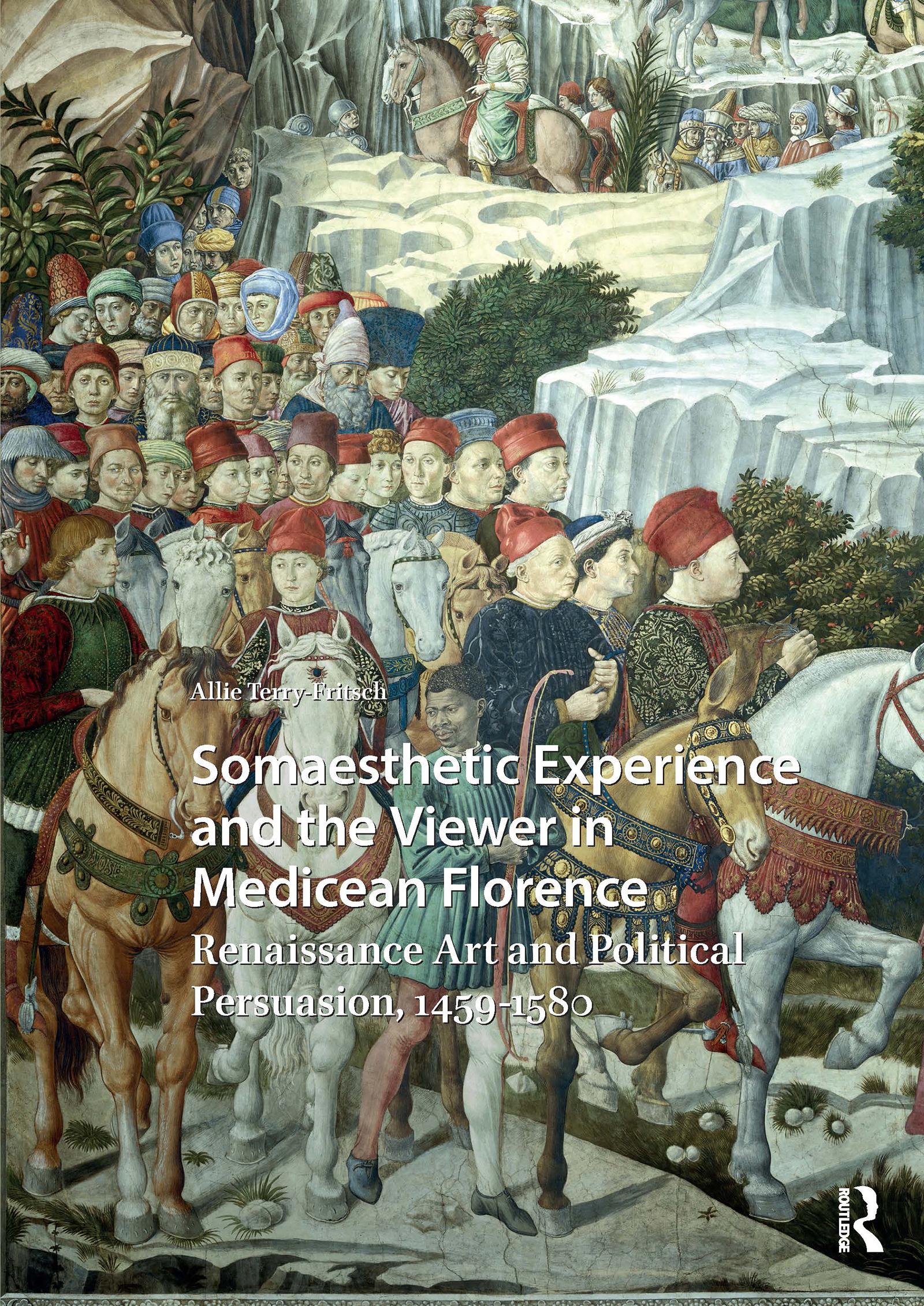
Viewers in the Middle Ages and Renaissance were encouraged to forge connections between their physical and affective states when they experienced works of art. They believed that their bodies served a critical function in coming to know and make sense of the world around them, and intimately engaged themselves with works of art and architecture on a daily basis. This book examines how viewers in Medicean Florence were self-consciously cultivated to enhance their sensory appreciation of works of art and creatively self-fashion through somaesthetics. Mobilized as a technology for the production of knowledge with and through their bodies, viewers contributed to the essential meaning of Renaissance art and, in the process, bound themselves to others. By investigating the framework and practice of somaesthetic experience of works by Benozzo Gozzoli, Donatello, Benedetto Buglioni, Giorgio Vasari, and others in fifteenth- and sixteenth century Florence, the book approaches the viewer as a powerful tool that was used by patrons to shape identity and power in the Renaissance.
Paga facilmente con carta, Klarna, Apple Pay o Google Pay. Non sei soddisfatto? Hai sempre 14 giorni per il rimborso. Leggi di più nei nostri termini. Per qualsiasi domanda, scrivici a hello@memmo.org.
Memmo rende lo studio più facile, ovunque tu sia nel mondo. Qui trovi i tuoi libri di testo e strumenti di studio intelligenti, tutto in un unico posto: riassunti, quiz, podcast e flashcard. E poi c'è Ted, il tuo compagno di studio che risponde a ogni tua domanda. Oltre 50.000 studenti studiano già qui: è stato creato per aiutarti a imparare più velocemente e a stressarti meno.
Potrebbe interessarti anche
Acquista il libro0