
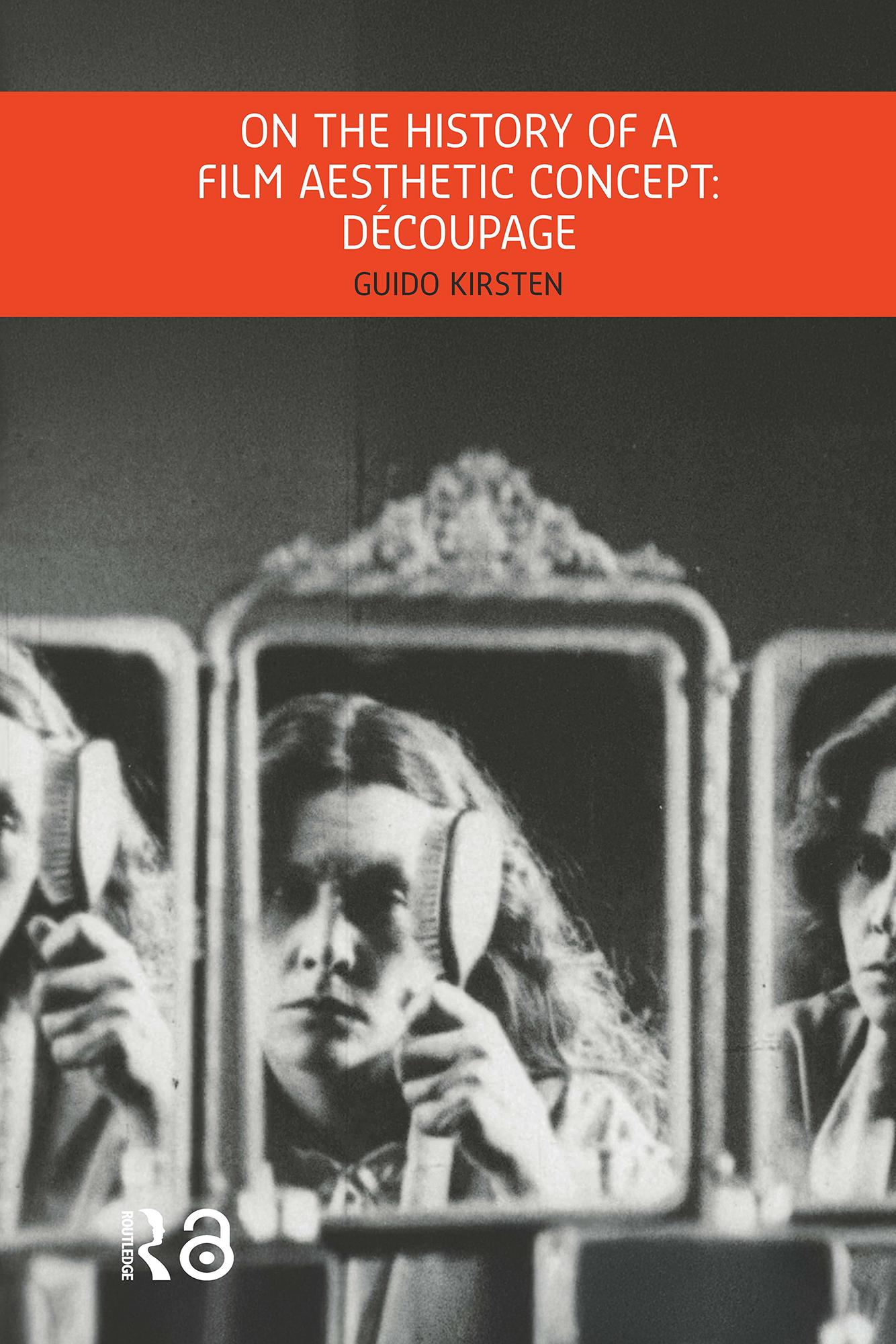
Unlike editing, découpage does not take place after the film has been shot, but before. The French term refers to the breakdown of a scene into a sequence of shots. In order to translate the written screenplay into film language, cinematographers and directors employ a genuinely cinematic way of thinking—a thinking in sequences of moving images and sounds, including the camera setups, movements, and shot sizes. Découpage is thus crucial in shaping a film's specific form. Using the tools of conceptual history, Guido Kirsten traces the term's evolution from its emergence in the 1910s through the eventful film history of the twentieth century until its recent rediscovery. By differentiating layers of meaning and discussing important shifts in the concept's evolution, this book improves the understanding of key film theoretical texts, whose meaning has been distorted by mistranslation, and shows how a deeper reflection of découpage promises to enrich the analysis of contemporary moving image media.
Pagine: 200
Categoria: Film- & Medievetenskap
e-ISBN: 9781040790007
Peso di spedizione: 1.2 kg
Spedito in: 1-2 giorni
Paga facilmente con carta, Klarna, Apple Pay o Google Pay. Non sei soddisfatto? Hai sempre 14 giorni per il rimborso. Leggi di più nei nostri termini. Per qualsiasi domanda, scrivici a hello@memmo.org.
Memmo rende lo studio più facile, ovunque tu sia nel mondo. Qui trovi i tuoi libri di testo e strumenti di studio intelligenti, tutto in un unico posto: riassunti, quiz, podcast e flashcard. E poi c'è Ted, il tuo compagno di studio che risponde a ogni tua domanda. Oltre 50.000 studenti studiano già qui: è stato creato per aiutarti a imparare più velocemente e a stressarti meno.
Potrebbe interessarti anche
Acquista il libro0