
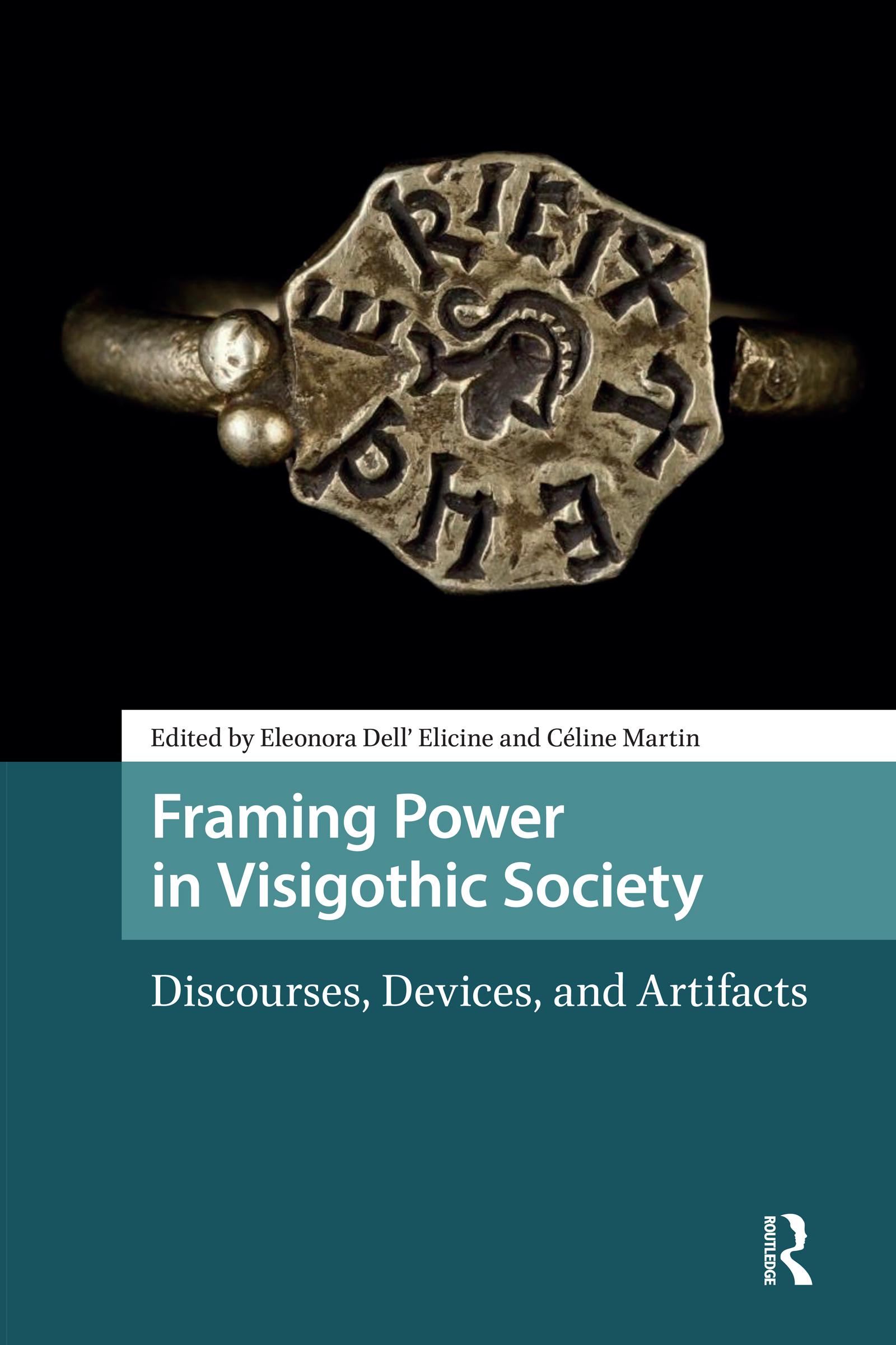
This volume examines how power was framed in Visigothic society and how a diverse population with a complex and often conflicting cultural inheritance was thereby held together as a single kingdom. Indeed, through this dynamic process a new, early medieval society emerged. Understanding this transformation is no simple matter, as it involved the deployment of an array of political and cultural resources: the production of knowledge, the appropriation of Patristic literature, controlling and administering rural populations, reconceptualizing the sacred, capital punishment and exile, controlling the manufacture of currency, and defining Visigothic society in relation to other polities such as the neighbouring Byzantine state. In order to achieve an analysis of these different phenomena, this volume brings together researchers from a variety of disciplines. This interdisciplinary approach therefore expands the available sources and reformulates topics of traditional scholarship in order to engage with a renewal of Visigothic Studies and reformulate the paradigm of study itself. As a result, this volume rethinks frameworks of power in the Peninsula along not only historical and archaeological but also anthropological terms, presenting the reader with a new understanding of Iberian society as a whole.
Paga facilmente con carta, Klarna, Apple Pay o Google Pay. Non sei soddisfatto? Hai sempre 14 giorni per il rimborso. Leggi di più nei nostri termini. Per qualsiasi domanda, scrivici a hello@memmo.org.
Memmo rende lo studio più facile, ovunque tu sia nel mondo. Qui trovi i tuoi libri di testo e strumenti di studio intelligenti, tutto in un unico posto: riassunti, quiz, podcast e flashcard. E poi c'è Ted, il tuo compagno di studio che risponde a ogni tua domanda. Oltre 50.000 studenti studiano già qui: è stato creato per aiutarti a imparare più velocemente e a stressarti meno.
Potrebbe interessarti anche
Acquista il libro0