
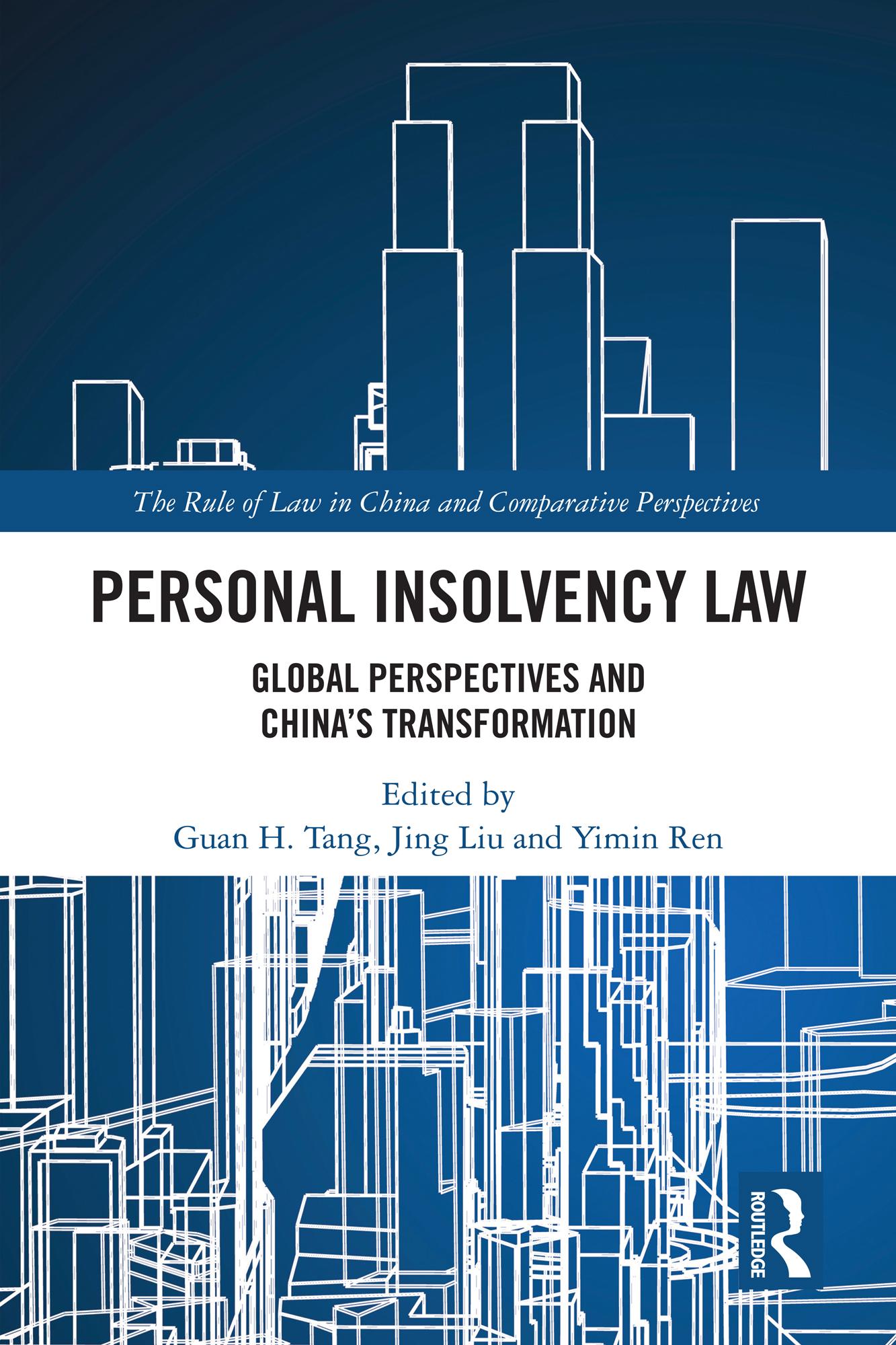
In an era marked by economic uncertainty and rising living costs, the need for compassionate and effective personal insolvency systems has never been more urgent. This edited volume offers a timely and incisive exploration of the complexities of personal insolvency regimes.
Drawing on insights from the UK, the US, Europe, Japan, and China, the book examines how diverse legal systems negotiate the tensions between debt relief and moral hazard, creditor protection and social equity, and market efficiency and human dignity. It compares the effectiveness of neoliberal models, middle-ground approaches, and state-led systems, offering assessments of their respective strengths and limitations.
The analysis moves beyond theory, grounding its arguments in real-world examples while advancing the case for a robust, stand-alone personal insolvency framework in China. By synthesising global experience with local experimentation, the volume demonstrates how such a framework could strengthen economic resilience, uphold human dignity, and bring China’s system into closer alignment with international standards.
Ideal for scholars, policymakers, and practitioners alike, this book bridges academic rigour and practical relevance, inviting readers to reconsider insolvency not merely as a mechanism of last resort but as an instrument of financial rehabilitation and social inclusion.
Paga facilmente con carta, Klarna, Apple Pay o Google Pay. Non sei soddisfatto? Hai sempre 14 giorni per il rimborso. Leggi di più nei nostri termini. Per qualsiasi domanda, scrivici a hello@memmo.org.
Memmo rende lo studio più facile, ovunque tu sia nel mondo. Qui trovi i tuoi libri di testo e strumenti di studio intelligenti, tutto in un unico posto: riassunti, quiz, podcast e flashcard. E poi c'è Ted, il tuo compagno di studio che risponde a ogni tua domanda. Oltre 50.000 studenti studiano già qui: è stato creato per aiutarti a imparare più velocemente e a stressarti meno.