
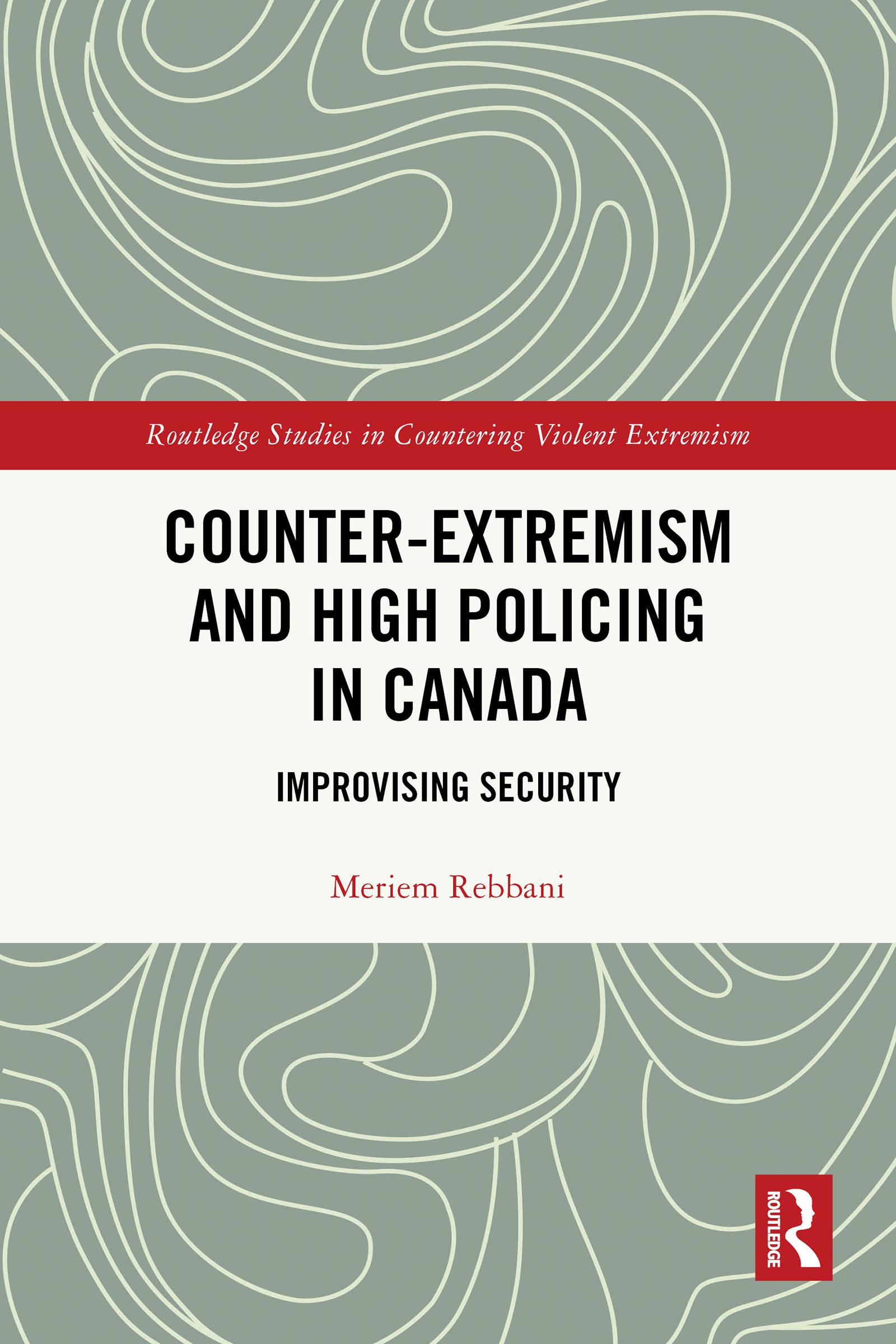
This book presents an ethnographic account of the development of Countering Violent Extremism (CVE) practices in Quebec, Canada.
Drawing on seven years of ethnographic research, the book traces how the fight against “radicalization” moved beyond police and intelligence agencies to include teachers, social workers, and health professionals. This collaboration brought together social care and national security under the shared language of prevention and risk management. The book reveals how these new practices transformed what has been called “high policing”, turning it into a visible, everyday form of governance. It situates Quebec’s approach within global shifts toward neoliberal risk management and actuarial justice, showing how CVE redefined both social intervention and security work. Through vivid field notes and interviews, the work exposes the improvisation, competition, and ethical dilemmas that shaped the creation of Canada’s CVE sector. Spanning the years 2015–2022, this study provides a window into how national security is now made—and contested—at the local level, where the boundaries between care and control have never been more blurred.
This book will appeal to scholars, practitioners, and students of CVE and counter-terrorism studies, criminology, global security studies, and international relations.
Paga facilmente con carta, Klarna, Apple Pay o Google Pay. Non sei soddisfatto? Hai sempre 14 giorni per il rimborso. Leggi di più nei nostri termini. Per qualsiasi domanda, scrivici a hello@memmo.org.
Memmo rende lo studio più facile, ovunque tu sia nel mondo. Qui trovi i tuoi libri di testo e strumenti di studio intelligenti, tutto in un unico posto: riassunti, quiz, podcast e flashcard. E poi c'è Ted, il tuo compagno di studio che risponde a ogni tua domanda. Oltre 50.000 studenti studiano già qui: è stato creato per aiutarti a imparare più velocemente e a stressarti meno.