
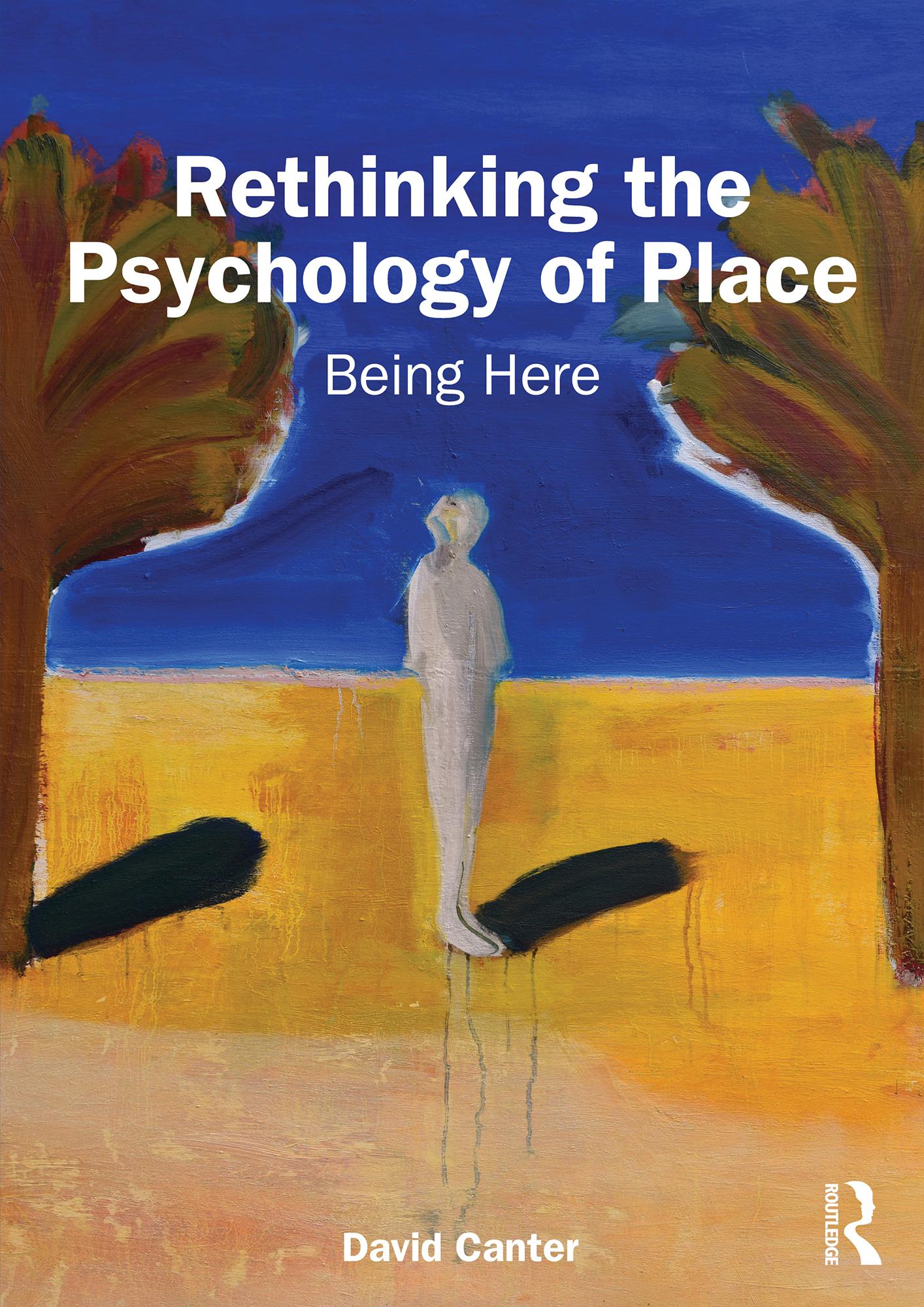
Rethinking the Psychology of Place presents a new approach to Professor David Canter's 1977 Psychology of Place. Providing a unified Theory of Place relevant to human transactions with buildings, cities and nature, the book weaves together psychological, architectural and social perspectives to demonstrate that place is a dynamic phenomenon emerging from embodied experience, memory and social interactions. Central to this are 'place rules' and 'environmental roles' that mediate how individuals relate to and behave within locations, challenging deterministic notions that design directly causes place experiences.
Supported by over 160 illustrations, the book advances a nuanced, human-centred understanding of place an evolving, dynamic nexus of action, meaning and form by:
- Examining the home as an emotionally layered construct central to experiences of place
- Positioning architecture as a filter of sensory input and a vehicle of symbolic meaning, shaped by cultural templates, architectural styles and building types
- Using techniques such as space syntax to illustrate how spatial arrangements facilitate human interactions at both the building and metropolitan scale
- Critiquing modernist architecture's abstraction of meaning
- Highlighting streets as vital, participatory spaces, while considering how digital culture reshapes how we are present in these environments
- Challenging dominant biocentric explanations for the restorative benefits of nature and related explorations of preferences for landscapes and place attachment, offering an alternative that emphasises human agency, culture and context
By integrating concepts such as place attachment, domocentricity and environmental roles, this book will appeal to students and researchers in environmental psychology, architecture, landscape design, urban planning and environmental sociology, as well as the general reader looking to understand our interactions with our surroundings. It is essential reading for anyone interested in the complex relationships between people and their built and natural environments.
Paga facilmente con carta, Klarna, Apple Pay o Google Pay. Non sei soddisfatto? Hai sempre 14 giorni per il rimborso. Leggi di più nei nostri termini. Per qualsiasi domanda, scrivici a hello@memmo.org.
Memmo rende lo studio più facile, ovunque tu sia nel mondo. Qui trovi i tuoi libri di testo e strumenti di studio intelligenti, tutto in un unico posto: riassunti, quiz, podcast e flashcard. E poi c'è Ted, il tuo compagno di studio che risponde a ogni tua domanda. Oltre 50.000 studenti studiano già qui: è stato creato per aiutarti a imparare più velocemente e a stressarti meno.