
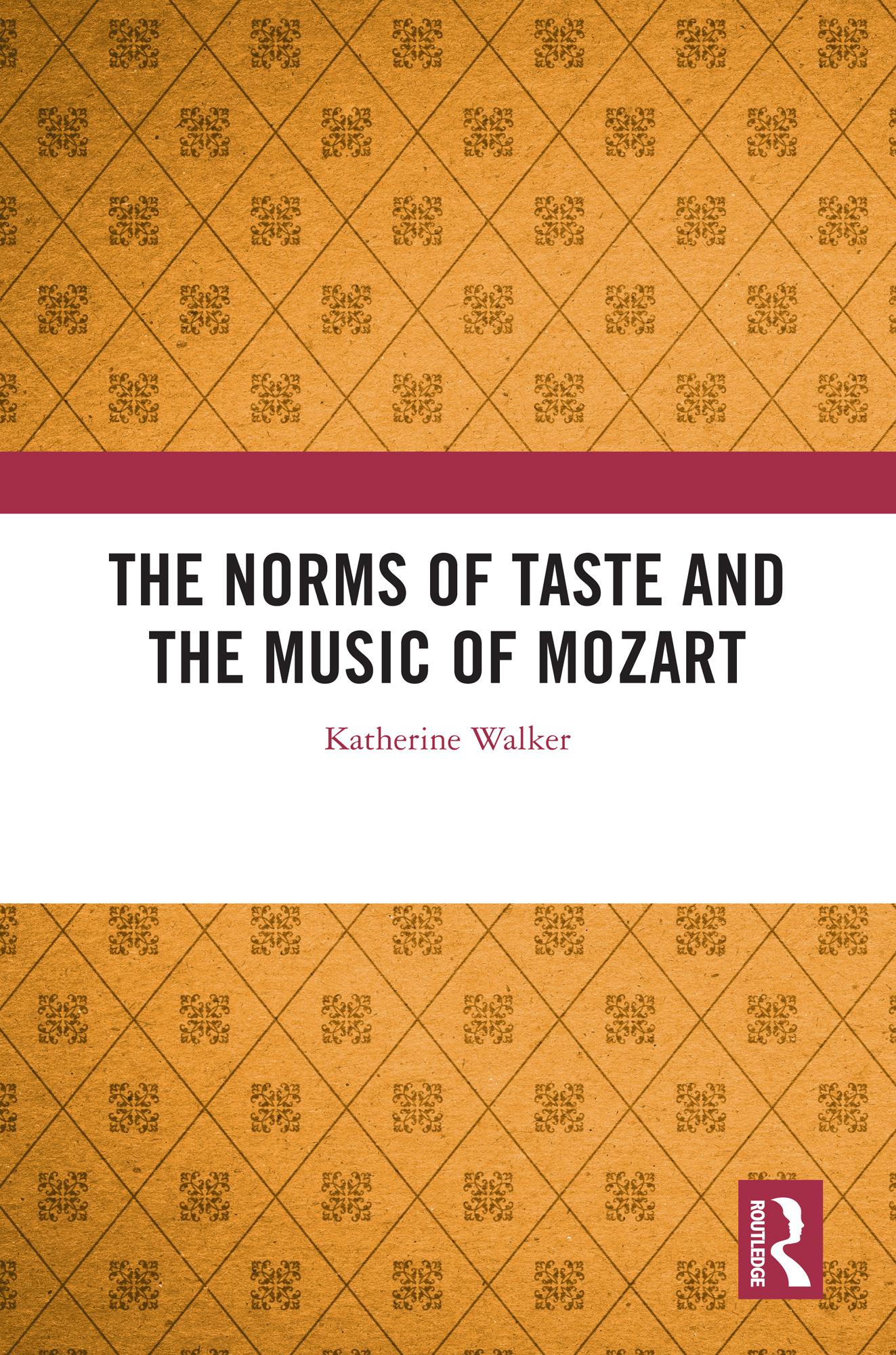
The Norms of Taste and the Music of Mozart uncovers what contemporaries meant when they praised composers like Mozart for their “good taste” and, in the process,
illustrates how judgments of taste were intertwined with developments in the social, cultural, and political arenas.
Taking as its starting point Haydn’s purported reference to Mozart’s Geschmack und Compositionswissenschaft, this book offers an in-depth analysis of the shifting
connotations of taste in eighteenth-century European music. It bridges a gap in music scholarship by offering new perspectives on how music, philosophy,
literature, and politics intersected through the language of taste. The discourse of musical taste opened pathways from the individual to the collective and framed
pressing debates about the sources and meanings of human flourishing. As the author argues, the century of taste denotes a period in which art and aesthetics were
bound up with moral philosophy; when artistic, ethical, and social aspects of life merged and overlapped, bringing good taste and goodness into alignment.
Offering insights into the history of music and aesthetics as well as the work of Mozart, this book presents a study filled with new perspectives for musicologists
and scholars of eighteenth-century culture.
Paga facilmente con carta, Klarna, Apple Pay o Google Pay. Non sei soddisfatto? Hai sempre 14 giorni per il rimborso. Leggi di più nei nostri termini. Per qualsiasi domanda, scrivici a hello@memmo.org.
Memmo rende lo studio più facile, ovunque tu sia nel mondo. Qui trovi i tuoi libri di testo e strumenti di studio intelligenti, tutto in un unico posto: riassunti, quiz, podcast e flashcard. E poi c'è Ted, il tuo compagno di studio che risponde a ogni tua domanda. Oltre 50.000 studenti studiano già qui: è stato creato per aiutarti a imparare più velocemente e a stressarti meno.