
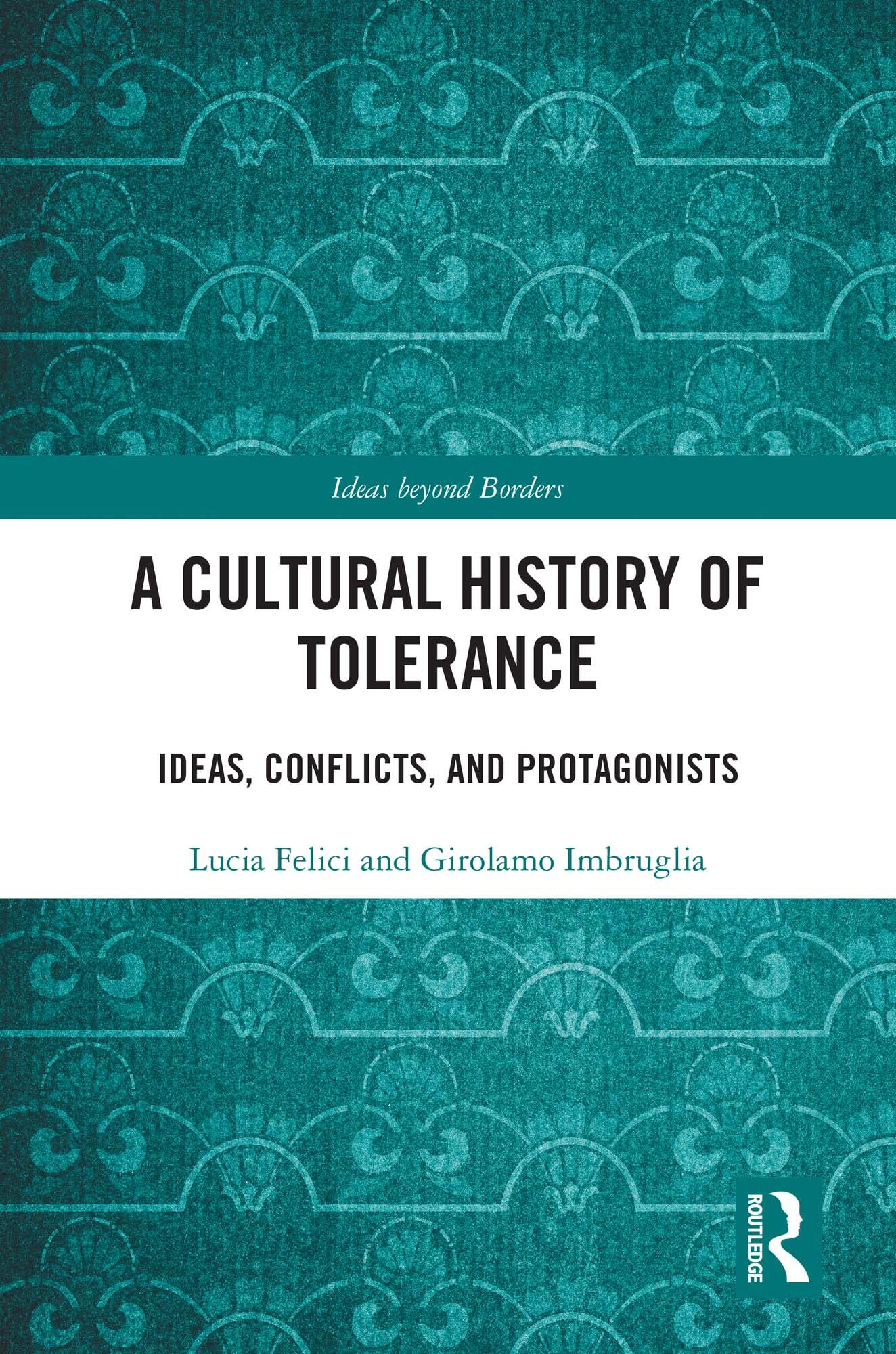
Covering the entire European system and its relations with the East and America, this first global history of tolerance in early modern Europe describes how the ideal of tolerance and its realisation transformed both the religious and political life of the modern world.
In the 16th century, Christianity was split apart by the Lutheran revolt, a fracture which would become a political one. Erasmus, Castellio, and the Socinians defended the freedom of conscience and of faith, and the right to belong to a heretical church. The violent political clashes in France, Holland, and Great Britain seemed to make the latter impossible, as the relationship between religion and politics was at the centre of those conflicts. The theory of a new politics was devised by Hobbes and developed by Spinoza and Locke: Sovereignty was not to be religious but secular, and tolerance would become civil liberty. A Cultural History of Tolerance shows how political power and religious doctrine together shaped both persecution and emerging ideas of tolerance, laying the groundwork for later debates.
This book is intended for professors, academic researchers, students, and general readers interested in early modern Europe, political ideas, and the history of religion.
Paga facilmente con carta, Klarna, Apple Pay o Google Pay. Non sei soddisfatto? Hai sempre 14 giorni per il rimborso. Leggi di più nei nostri termini. Per qualsiasi domanda, scrivici a hello@memmo.org.
Memmo rende lo studio più facile, ovunque tu sia nel mondo. Qui trovi i tuoi libri di testo e strumenti di studio intelligenti, tutto in un unico posto: riassunti, quiz, podcast e flashcard. E poi c'è Ted, il tuo compagno di studio che risponde a ogni tua domanda. Oltre 50.000 studenti studiano già qui: è stato creato per aiutarti a imparare più velocemente e a stressarti meno.