
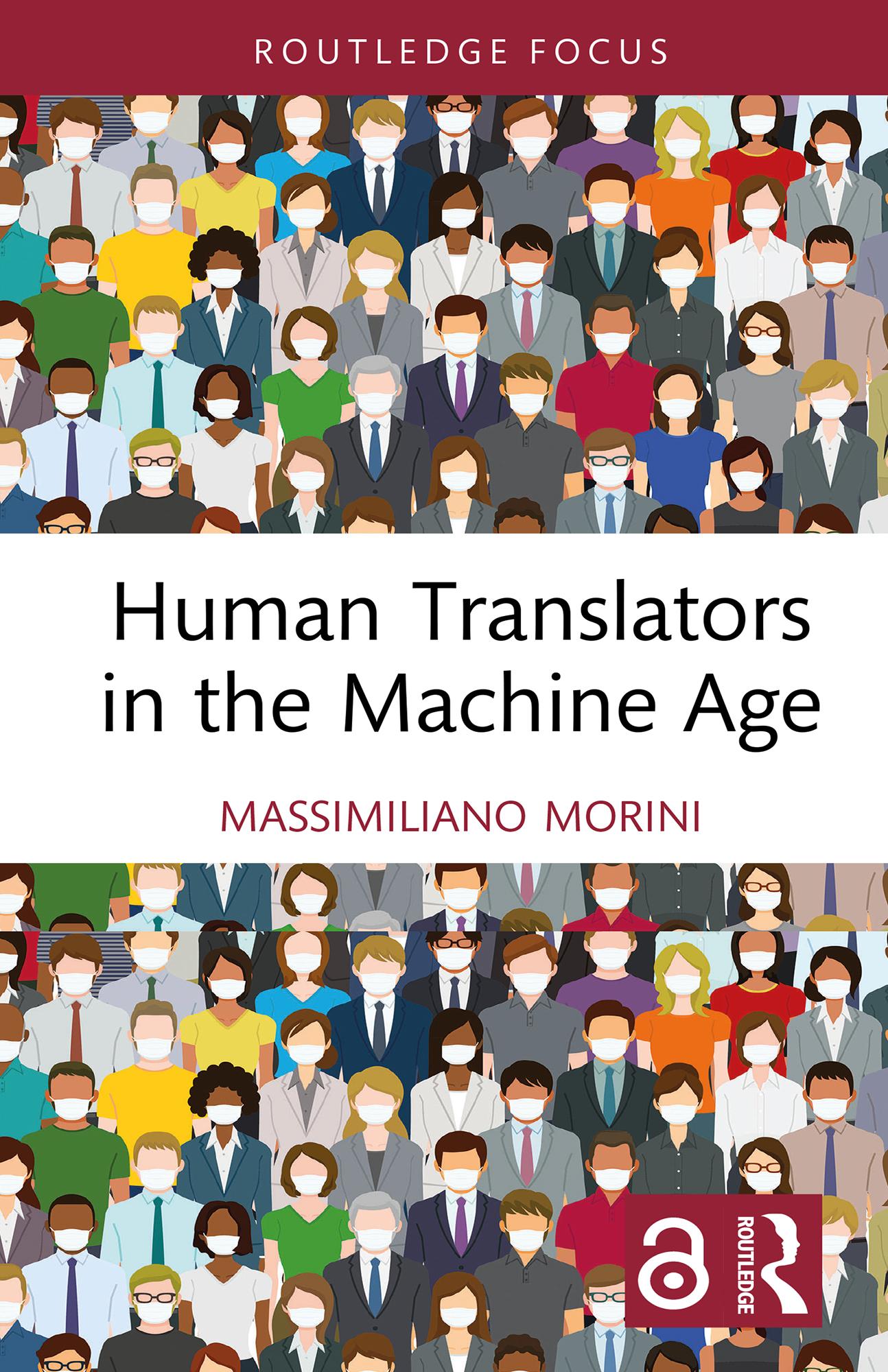
What is the place of human translation in the golden age of artificial intelligence? Human Translators in the Machine Age looks at the millennia of history that have shaped the discipline and its practitioners, and asks what it is that makes translators central in human civilization, and fundamentally different from linguistically competent machines.
Contrary to the age-old emphasis on source adherence and the sacredness of text, it presents translation as a continuous process of semantic and pragmatic drift, and translators as agents of linguistic and cultural change. In doing so it questions all traditional and contemporary dichotomies (faithful/unfaithful, domesticating/foreignizing) and exposes the textual bias which lies at the root of all Western ideas on translation.
Oral in origin, rich and irreducible in its processes and outcomes, deeply and inevitably personal in output, human translation remains central in the machine age precisely because it is the most common human way of receiving, accounting for, and modifying all forms of knowledge and experience. This concise volume offers both a compelling history of translation and a fresh examination of the translator’s role in an AI-dominated world. It engages critically with contemporary translation theory while innovatively exploring the intersection of written and spoken discourse. Essential reading for translators, students, scholars, and anyone interested in linguistic theory.
Paga facilmente con carta, Klarna, Apple Pay o Google Pay. Non sei soddisfatto? Hai sempre 14 giorni per il rimborso. Leggi di più nei nostri termini. Per qualsiasi domanda, scrivici a hello@memmo.org.
Memmo rende lo studio più facile, ovunque tu sia nel mondo. Qui trovi i tuoi libri di testo e strumenti di studio intelligenti, tutto in un unico posto: riassunti, quiz, podcast e flashcard. E poi c'è Ted, il tuo compagno di studio che risponde a ogni tua domanda. Oltre 50.000 studenti studiano già qui: è stato creato per aiutarti a imparare più velocemente e a stressarti meno.