
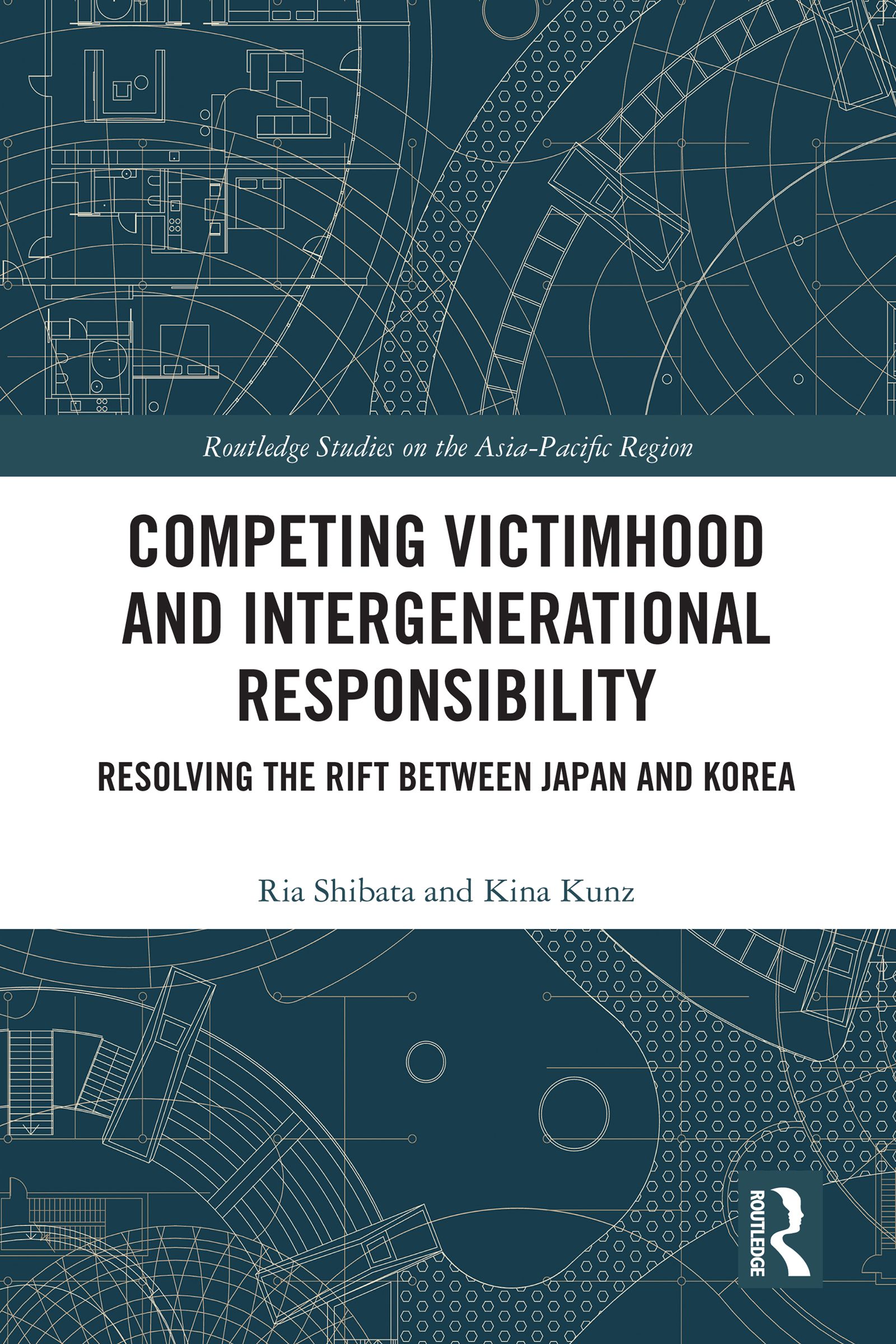
Shibata and Kunz delve into the deep-seated identity factors that have perpetuated the conflict between Japan and South Korea. The enduring diplomatic and political tensions between the two nations are rooted in unresolved historical grievances and entrenched narratives of victimhood, which continue to shape their national identities. For meaningful reconciliation to take place, these divisive historical memories and narratives must be critically examined to build a stronger foundation for sustained diplomatic efforts.
This book investigates the socio-psychological dynamics of competing victimhood, shedding light on the key barriers to reconciliation and exploring Japanese perspectives on intergenerational responsibility for historical injustices. Through a nuanced analysis of the complex identity conflict between Japan and South Korea, it provides valuable insights and practical guidance for policymakers, civil society leaders, and the broader public to foster dialogue, rebuild trust, and promote long-term cooperation between the two nations.
An essential book for researchers and scholars of international relations, peace and conflict studies, and global studies, as well as a critical tool for policymakers and practitioners working in conflict resolution and reconciliation.
Paga facilmente con carta, Klarna, Apple Pay o Google Pay. Non sei soddisfatto? Hai sempre 14 giorni per il rimborso. Leggi di più nei nostri termini. Per qualsiasi domanda, scrivici a hello@memmo.org.
Memmo rende lo studio più facile, ovunque tu sia nel mondo. Qui trovi i tuoi libri di testo e strumenti di studio intelligenti, tutto in un unico posto: riassunti, quiz, podcast e flashcard. E poi c'è Ted, il tuo compagno di studio che risponde a ogni tua domanda. Oltre 50.000 studenti studiano già qui: è stato creato per aiutarti a imparare più velocemente e a stressarti meno.