
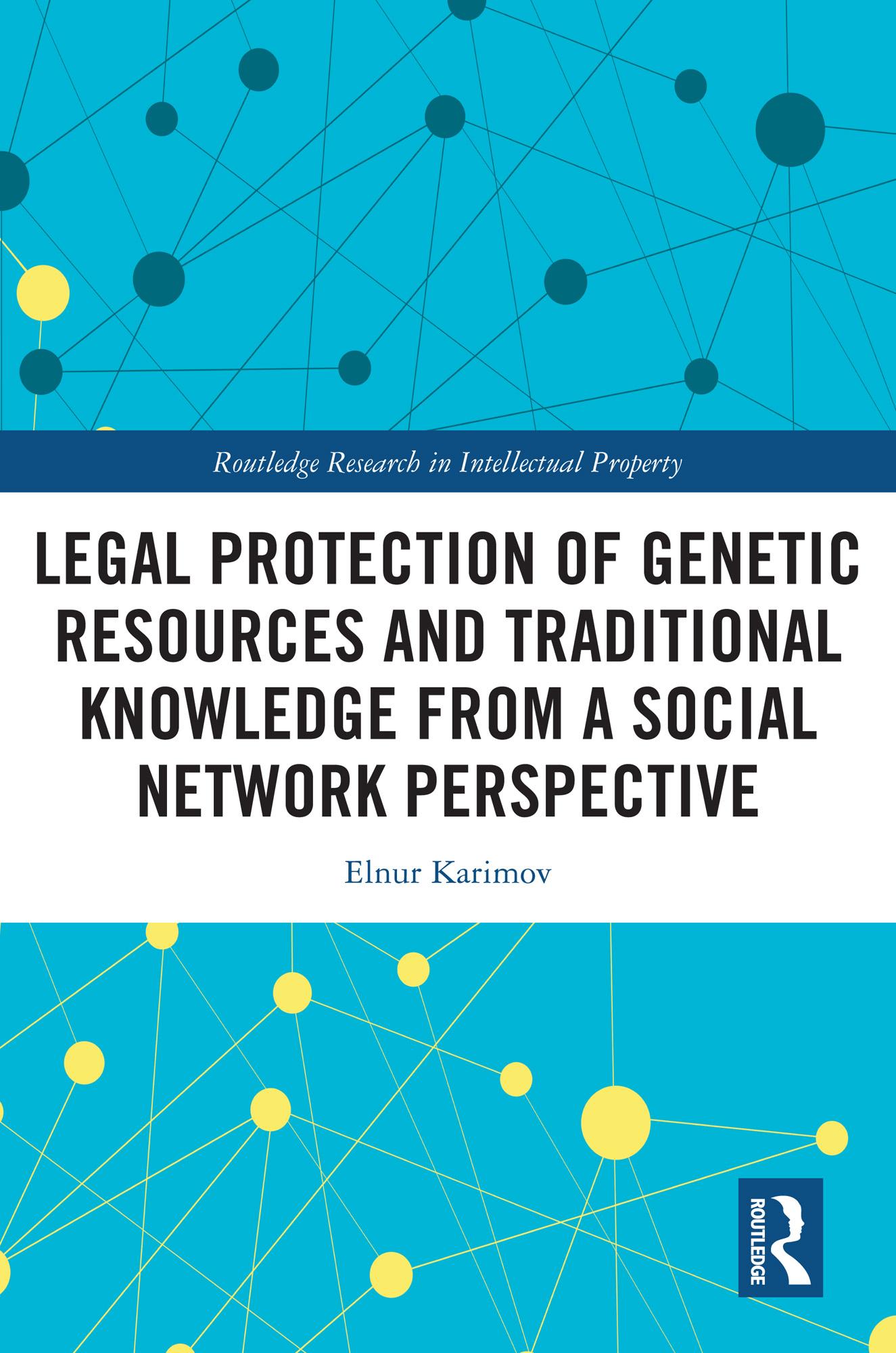
This book explores the urgent and evolving legal challenges surrounding the use of genetic resources and traditional knowledge (TK), particularly those held by Indigenous Peoples and local communities. International frameworks like the Nagoya Protocol and the 2024 WIPO Treaty aim to regulate benefit-sharing, but legal enforcement remains weak.
This book argues that traditional legal approaches (both international and national) alone are no longer sufficient and proposes a network-focused enforcement and compensation mechanism that uses social network analysis to examine the flow of genetic materials and TK through national and global supply chains. This approach is applied to 30 real-world biopiracy case studies across diverse regions, including Asia, Latin America, and Africa, to identify legal blind spots and power asymmetries. The book explains how predicting central nodes within supply chains where biopiracy and misappropriation are most likely to occur can lead to better enforcement and compensation outcomes. It then concludes with policy recommendations and suggestions to design more robust protection mechanisms for genetic resources and the associated TK.
This book will interest scholars of intellectual property and biotechnology law, as well as scholars of indigenous studies. Policymakers, indigenous activists, and social scientists who are interested in the broader applications of social network analysis will also find this of note.
Paga facilmente con carta, Klarna, Apple Pay o Google Pay. Non sei soddisfatto? Hai sempre 14 giorni per il rimborso. Leggi di più nei nostri termini. Per qualsiasi domanda, scrivici a hello@memmo.org.
Memmo rende lo studio più facile, ovunque tu sia nel mondo. Qui trovi i tuoi libri di testo e strumenti di studio intelligenti, tutto in un unico posto: riassunti, quiz, podcast e flashcard. E poi c'è Ted, il tuo compagno di studio che risponde a ogni tua domanda. Oltre 50.000 studenti studiano già qui: è stato creato per aiutarti a imparare più velocemente e a stressarti meno.