
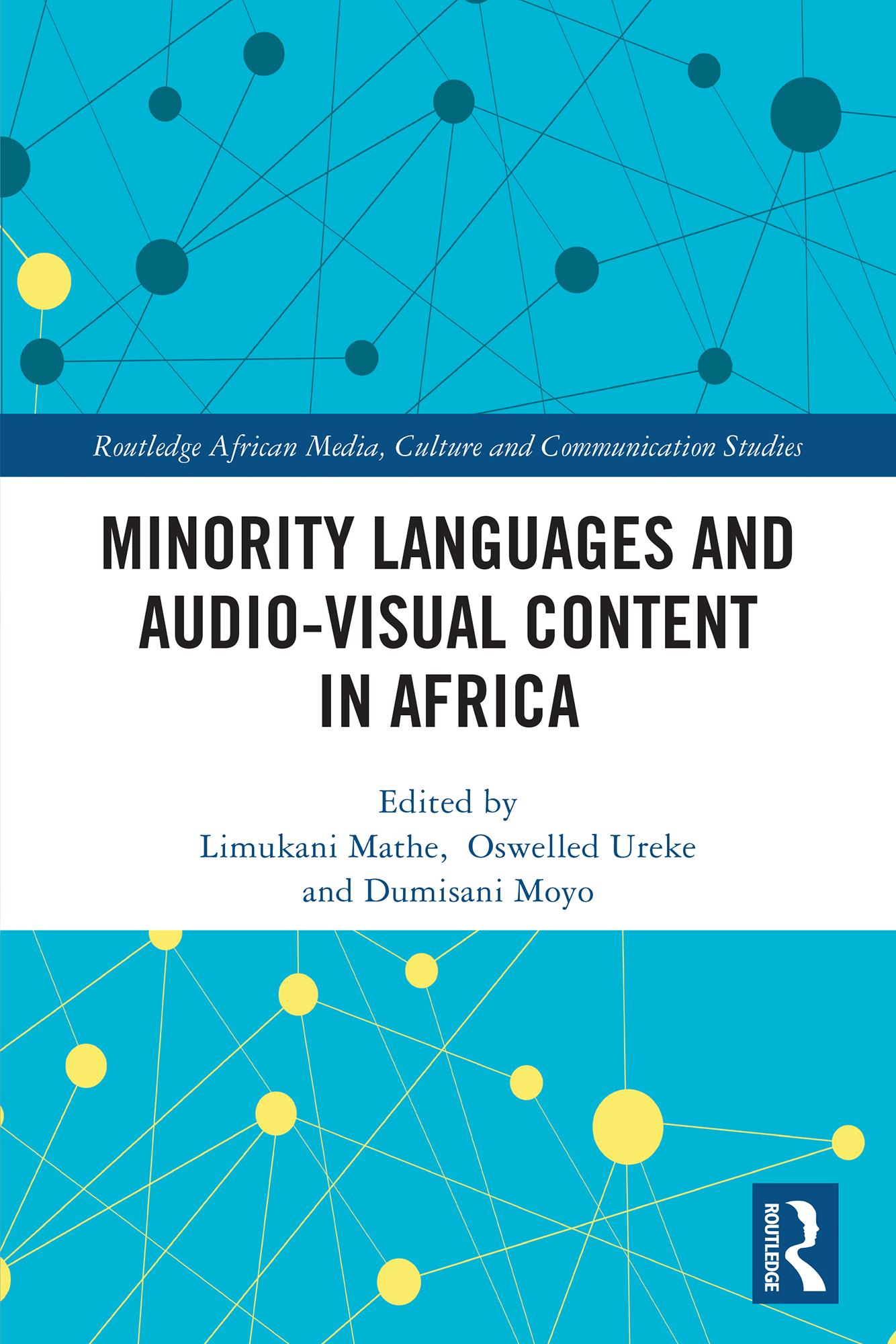
This book examines audio-visual content production in Africa, highlighting the ways in which the rise of social networking platforms has combatted the marginalisation of minority languages across the continent.
Colonial languages have tended to dominate audio-visual narratives in Africa, and although postcolonial film and video production initiatives have tried to counter this, in practice they perpetuate the marginalisation of minority language groups by favouring major indigenous languages such as isiZulu in South Africa, Shona in Zimbabwe, Yoruba or Igbo in Nigeria. This book demonstrates the ways in which the internet and the accompanying boom in popularity of visual social networking applications such as YouTube, TikTok, Facebook, X, and Vimeo have disrupted dominant language video productions and traditional media marketing models. As audiences have fragmented, seeking out content produced in their own languages, traditional gatekeepers have been challenged. Drawing on studies from across the continent, the book demonstrates the varied and multifaceted ways in which minority language audio-visual content creators are using these platforms to negotiate with or contest dominant languages.
This timely investigation into the political economy of contemporary audio-visual production in minority languages in Africa will be of interest to researchers across media studies and sociolinguistics in Africa.
Paga facilmente con carta, Klarna, Apple Pay o Google Pay. Non sei soddisfatto? Hai sempre 14 giorni per il rimborso. Leggi di più nei nostri termini. Per qualsiasi domanda, scrivici a hello@memmo.org.
Memmo rende lo studio più facile, ovunque tu sia nel mondo. Qui trovi i tuoi libri di testo e strumenti di studio intelligenti, tutto in un unico posto: riassunti, quiz, podcast e flashcard. E poi c'è Ted, il tuo compagno di studio che risponde a ogni tua domanda. Oltre 50.000 studenti studiano già qui: è stato creato per aiutarti a imparare più velocemente e a stressarti meno.