
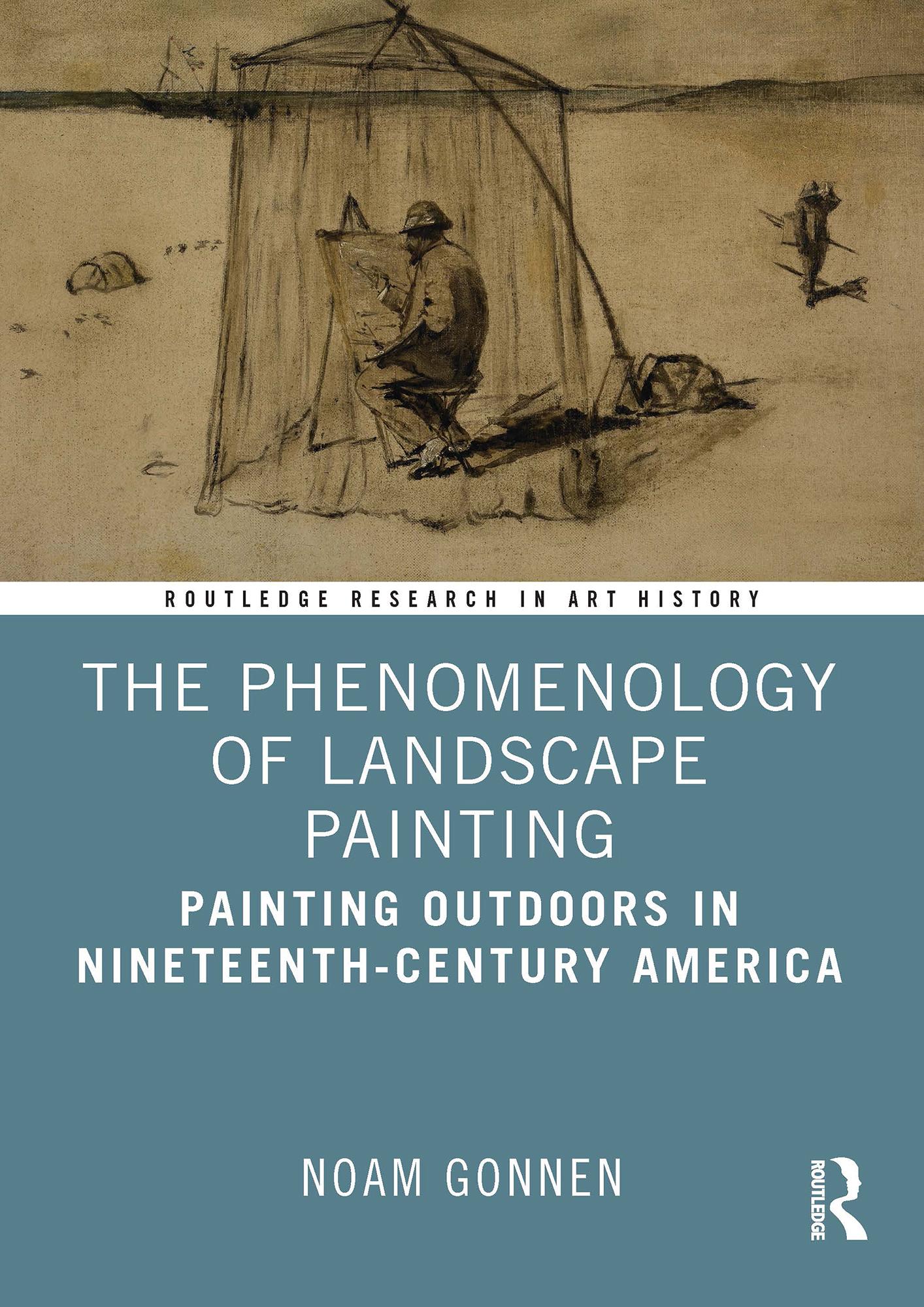
Offering a new view of nineteenth-century American landscape painting, this book focuses on the praxis of open-air painting and its distinctive role in generating and invigorating a new conceptualization of American landscape painting in the late nineteenth century.
Drawing on phenomenology and on theories of presence, embodiment, and making, the author traces the transition in landscape painting from Hudson River School aesthetics to a new ground, manifested in three aspects – immersiveness, materiality, and performance. Analyzing both paintings and primary sources such as tourist literature, art criticism, diary entries, artists’ handbooks, treatises, and professional publications ranging from geography to physiology, the author underpins the significance of open-air painting in the history of American art and evaluates its reception against a backdrop of cultural, historical, and aesthetic shifts in the postbellum era. Overall, the book juxtaposes landscape experience with artistic experience and explores the tension between observing and making, thereby suggesting new analytical tools for nineteenth-century art and epistemology.
This is an ideal text for researchers in art history and theory, human geography, environmental studies, and philosophy.
Paga facilmente con carta, Klarna, Apple Pay o Google Pay. Non sei soddisfatto? Hai sempre 14 giorni per il rimborso. Leggi di più nei nostri termini. Per qualsiasi domanda, scrivici a hello@memmo.org.
Memmo rende lo studio più facile, ovunque tu sia nel mondo. Qui trovi i tuoi libri di testo e strumenti di studio intelligenti, tutto in un unico posto: riassunti, quiz, podcast e flashcard. E poi c'è Ted, il tuo compagno di studio che risponde a ogni tua domanda. Oltre 50.000 studenti studiano già qui: è stato creato per aiutarti a imparare più velocemente e a stressarti meno.