
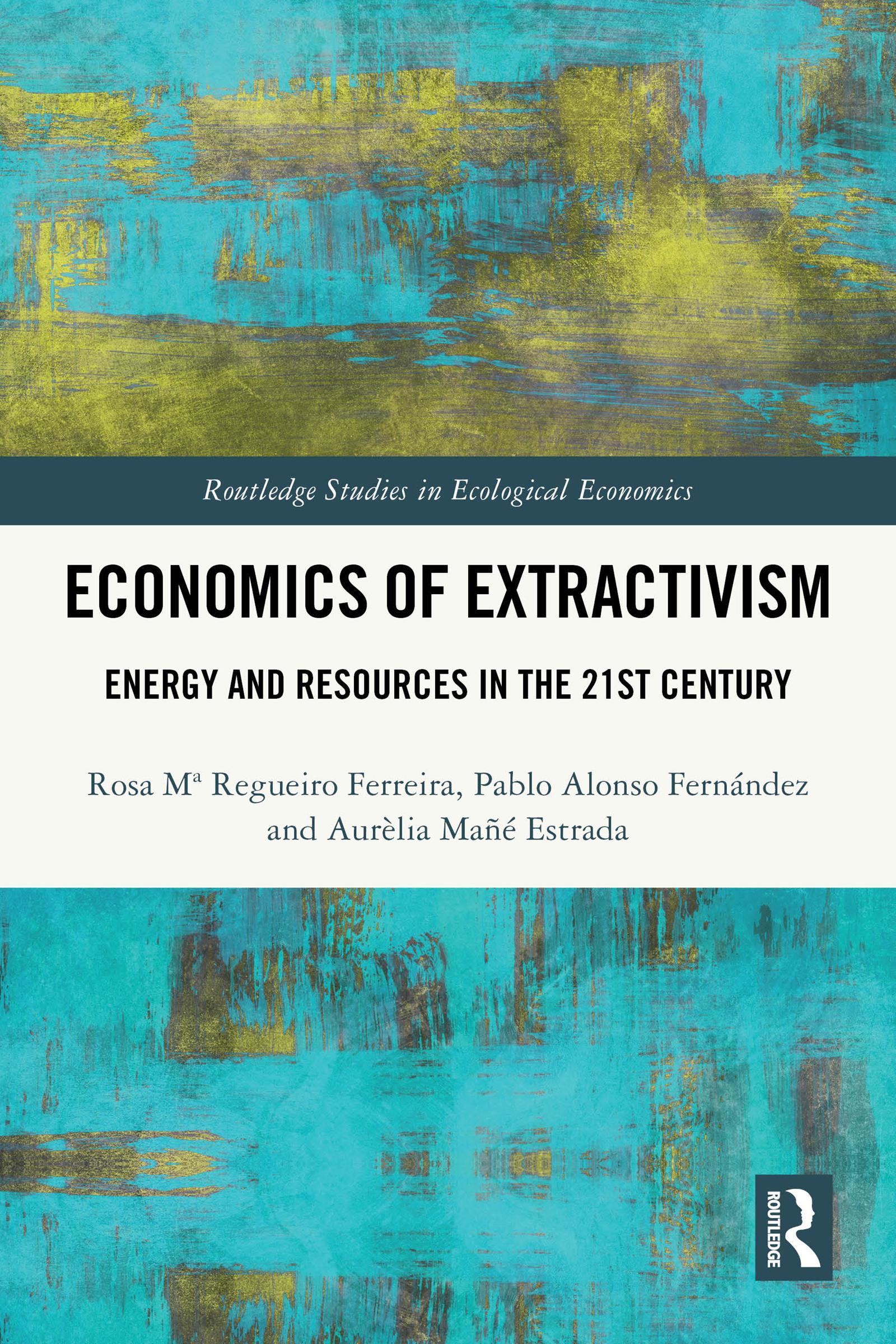
Extractivism is an economic model based on the extraction of natural resources for export that is widespread in resource-rich countries. Historically, extractivism was typically used in reference to fossil fuels but in recent decades the drive to find new energy sources has given rise to new dynamics in extractivism. This book identifies and describes these new dynamics and trends in extractivism and explores their effects on the economic development and environmental impact of different countries, to show the potential benefits and limits of renewable energies.
To this end, an introduction and contextualisation of the concept of extractivism in recent decades is provided. This is followed by a detailed description of the various impacts around extractivism of different energy sources throughout the 21st century: fossil fuels, renewables and other sources. Subsequently, the implications of extractivism for economic development, the environment, the energy transition, and the problems and conflicts arising from the relations between extractivist countries and consumers in the field of energy are examined in depth.
This book will be of interest to readers in ecological economics, environmental economics, energy economics, political ecology, and anyone working on energy issues in the social and natural sciences.
Paga facilmente con carta, Klarna, Apple Pay o Google Pay. Non sei soddisfatto? Hai sempre 14 giorni per il rimborso. Leggi di più nei nostri termini. Per qualsiasi domanda, scrivici a hello@memmo.org.
Memmo rende lo studio più facile, ovunque tu sia nel mondo. Qui trovi i tuoi libri di testo e strumenti di studio intelligenti, tutto in un unico posto: riassunti, quiz, podcast e flashcard. E poi c'è Ted, il tuo compagno di studio che risponde a ogni tua domanda. Oltre 50.000 studenti studiano già qui: è stato creato per aiutarti a imparare più velocemente e a stressarti meno.