
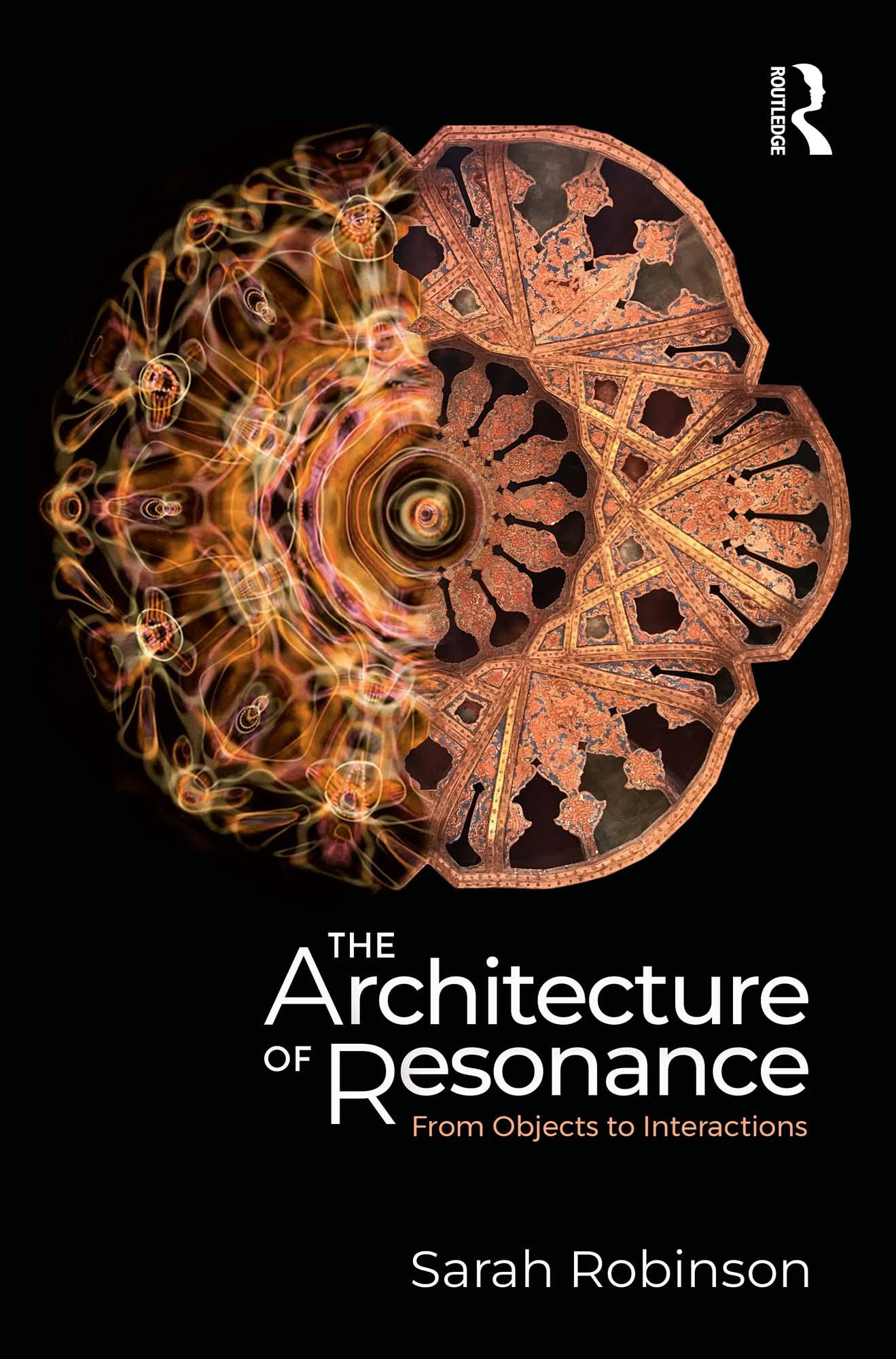
The profound impact that design has on human experience—physically, emotionally, cognitively, or ecologically—is now well established. And while this experiential and affective turn in architecture is gaining momentum, studio time remains primarily dedicated to the creation of buildings as independent objects with minimal regard for the interactions and impacts those buildings may have on their inhabitants and their surroundings.
This book carefully details an alternative for thinking and designing that shifts attention from abstract formalism and object orientation to the creation of dynamic interacting fields of affective, tactile, kinaesthetic, ecological, and social engagement. The book articulates resonance as a model and metaphor for the way we interact with our environments. The word’s literal meaning is to re-sound, implying a surface or receptive body that amplifies and alters the sound—an interdependent relation and process occurring in between. Seven kinds of resonance specific to design are detailed theoretically and illustrated with practical and historical examples. These design strategies demonstrate the possibilities resulting from shifting attention and resources from the longstanding preoccupation with fixed forms towards structuring and supporting dynamic interactive relationships between the built and the natural and between people and place.
Seamlessly combining architecture with cognitive science and neuroscience, environmental and evolutionary psychology, and social theory and anthropology, in clear, direct, and engaging prose, this book will be essential reading for all architecture students as well as those in these varied fields.
Paga facilmente con carta, Klarna, Apple Pay o Google Pay. Non sei soddisfatto? Hai sempre 14 giorni per il rimborso. Leggi di più nei nostri termini. Per qualsiasi domanda, scrivici a hello@memmo.org.
Memmo rende lo studio più facile, ovunque tu sia nel mondo. Qui trovi i tuoi libri di testo e strumenti di studio intelligenti, tutto in un unico posto: riassunti, quiz, podcast e flashcard. E poi c'è Ted, il tuo compagno di studio che risponde a ogni tua domanda. Oltre 50.000 studenti studiano già qui: è stato creato per aiutarti a imparare più velocemente e a stressarti meno.