
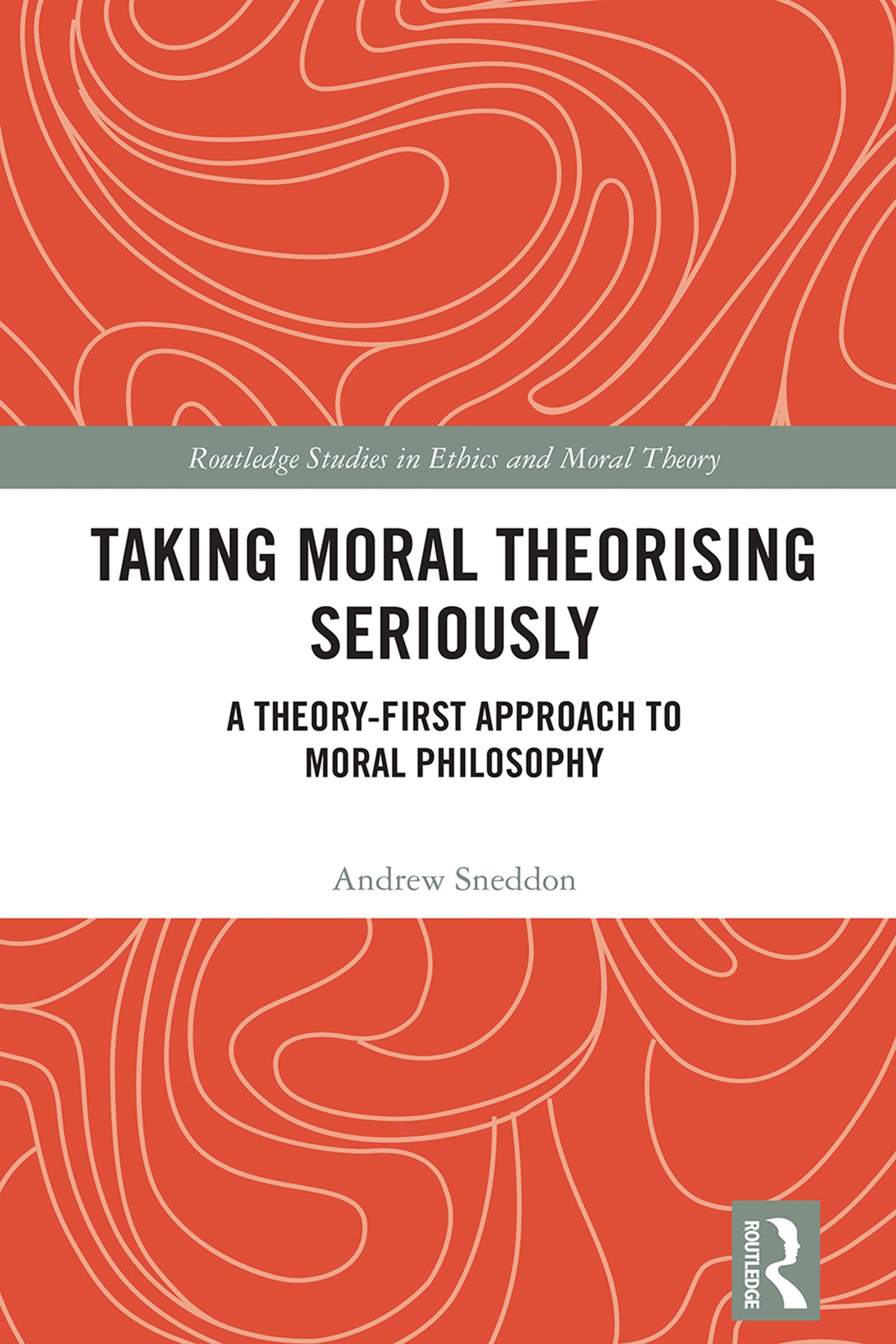
This book develops a plausible and novel account of methodology for moral philosophy. It focuses on the structural features of moral theories, specifically what is taken as input and the process of theorising itself.
Philosophers have long neglected the difficulties of identifying and using good input for moral theorising. The first part of the book argues that we should use “contrastively successful” judgements as input. A moral judgement about a case must be shown to be interpersonally superior to alternatives to qualify as input for moral theorising. The next part of the book follows recent work on theoretical virtues in science to develop an account of virtues of moral theories. It argues that moral theorists should seek defeasibly parallel maximisation of the virtues of moral theories. It then applies this overall account of a method for moral philosophy to the topic of agent-relativity and agent-neutrality.
Taking Moral Theorising Seriously will appeal to researchers and graduate students interested in moral philosophy and philosophical methodology.
Paga facilmente con carta, Klarna, Apple Pay o Google Pay. Non sei soddisfatto? Hai sempre 14 giorni per il rimborso. Leggi di più nei nostri termini. Per qualsiasi domanda, scrivici a hello@memmo.org.
Memmo rende lo studio più facile, ovunque tu sia nel mondo. Qui trovi i tuoi libri di testo e strumenti di studio intelligenti, tutto in un unico posto: riassunti, quiz, podcast e flashcard. E poi c'è Ted, il tuo compagno di studio che risponde a ogni tua domanda. Oltre 50.000 studenti studiano già qui: è stato creato per aiutarti a imparare più velocemente e a stressarti meno.