
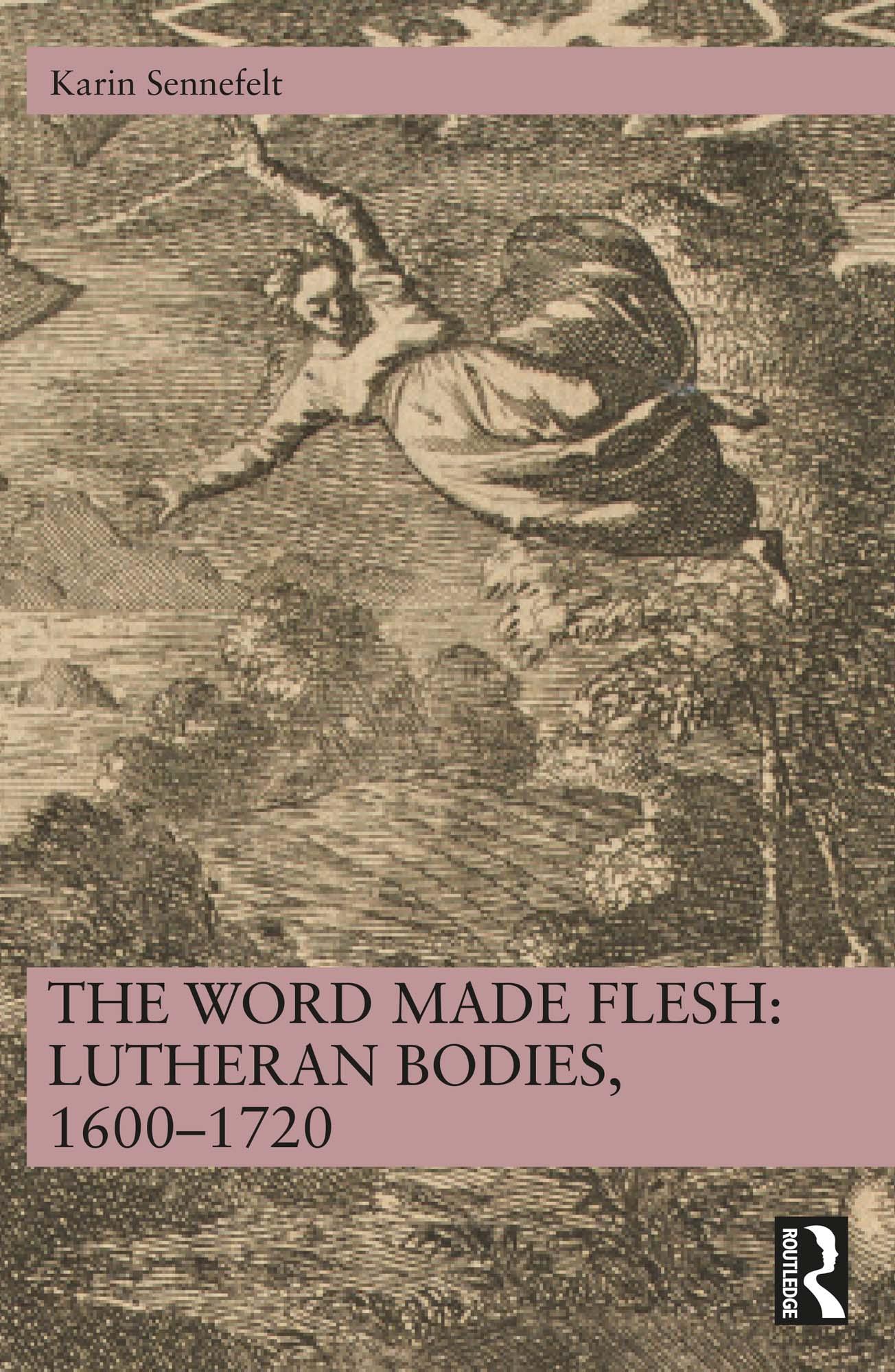
From children’s visions of angels to the cancerous belly of a king, this book shows how the body was at the centre of religious experience in seventeenth-century Lutheran culture. It explores what it was like to live in a body that was situated between the heavenly and earthly realms in the century following the Reformations, how faith shaped the experience of the body, and how the body shaped religious experience. Lutherans fasted and fortified their bodies through asceticism or exposure to harsh conditions. People of all types could feel the Holy Spirit entering their bodies and follow its movement within. Early modern Lutherans used their bodies to understand the complexities of their world, and by knowing about their physiology we come closer to grasping it.
Based on a varied set of sources from the expansive Swedish empire, with connections from Lapland to the North American colonies, this book shows how spiritual experience played out in relation to gender and age, revealing the powerful resemblances that connected bodies spiritually, politically, socially and emotionally. This book challenges received notions that Lutheranism implied a removed corporeality, mediated by an abstracted faith, and offers new insights into studying early modern corporeality.
The Word Made Flesh will be of interest to scholars and students in history, religion, history of medicine, gender and body studies.
Paga facilmente con carta, Klarna, Apple Pay o Google Pay. Non sei soddisfatto? Hai sempre 14 giorni per il rimborso. Leggi di più nei nostri termini. Per qualsiasi domanda, scrivici a hello@memmo.org.
Memmo rende lo studio più facile, ovunque tu sia nel mondo. Qui trovi i tuoi libri di testo e strumenti di studio intelligenti, tutto in un unico posto: riassunti, quiz, podcast e flashcard. E poi c'è Ted, il tuo compagno di studio che risponde a ogni tua domanda. Oltre 50.000 studenti studiano già qui: è stato creato per aiutarti a imparare più velocemente e a stressarti meno.