
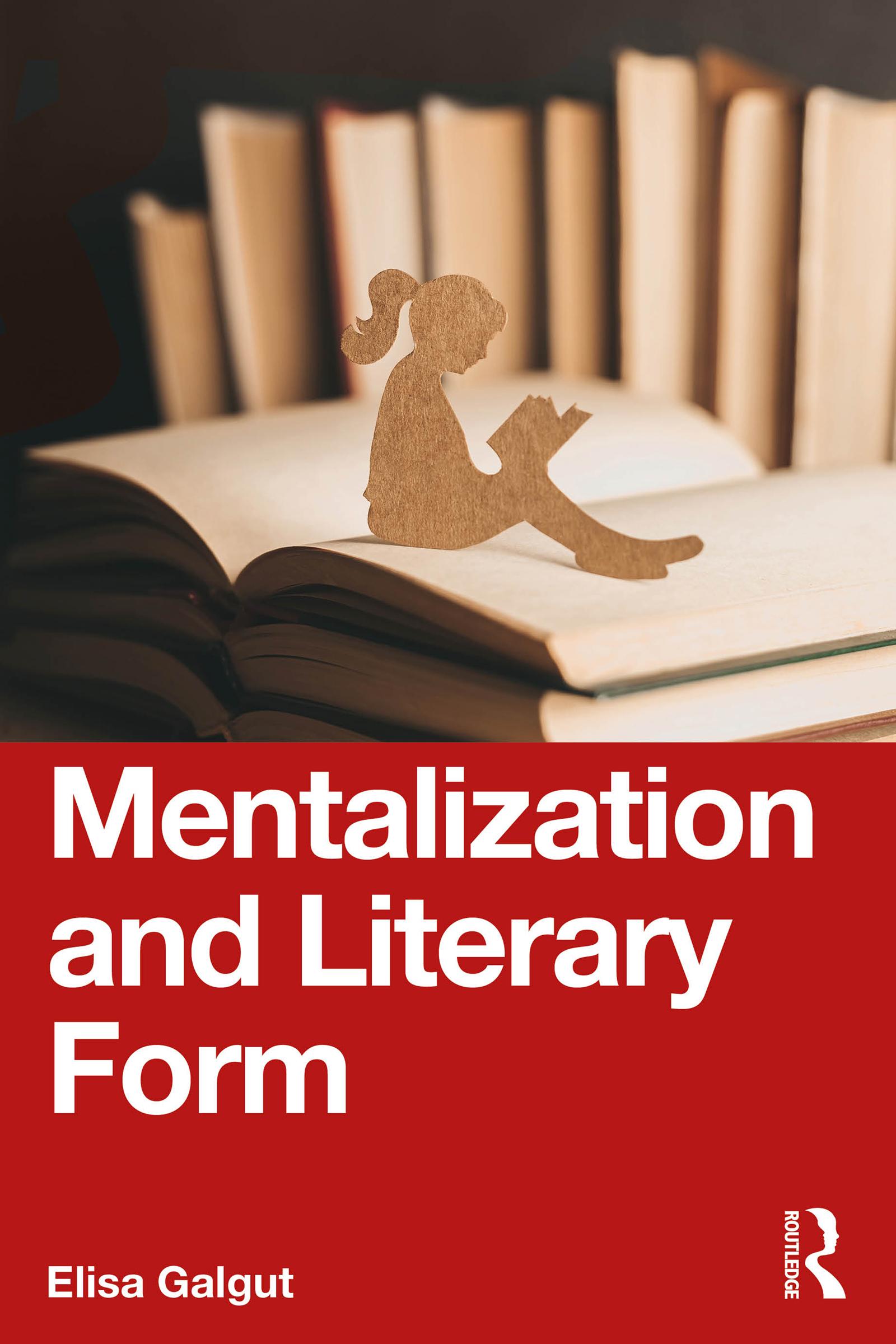
This book examines the ways in which literary form facilitates mentalization and our ability to be aware of our own and others’ mental states, showing how we can use this awareness to make sense of our experiences and interactions.
Looking at narrative, the sonnet, free indirect speech, and autobiographical memory, Elisa Galgut focuses on the ways in which literary form not only contains difficult emotions, but how it shapes and develops these emotional states. She considers how the creative mind gives form to inchoate emotions and structures and processes them in ways that allow us to experience and give name to what was previously unclear and amorphous. Looking at the work of canonical figures of English literature, such as Shakespeare, Milton, and Austen, Galgut’s focus on form – rather than content – offers the reader a novel way of understanding the ways in which literature engages our emotional lives.
Assuming no prior knowledge of complex psychoanalytic concepts, Mentalization and Literary Form is aimed at academic and graduate students focusing on literary studies and philosophy, as well as psychoanalysts interested in Literature.
Paga facilmente con carta, Klarna, Apple Pay o Google Pay. Non sei soddisfatto? Hai sempre 14 giorni per il rimborso. Leggi di più nei nostri termini. Per qualsiasi domanda, scrivici a hello@memmo.org.
Memmo rende lo studio più facile, ovunque tu sia nel mondo. Qui trovi i tuoi libri di testo e strumenti di studio intelligenti, tutto in un unico posto: riassunti, quiz, podcast e flashcard. E poi c'è Ted, il tuo compagno di studio che risponde a ogni tua domanda. Oltre 50.000 studenti studiano già qui: è stato creato per aiutarti a imparare più velocemente e a stressarti meno.