
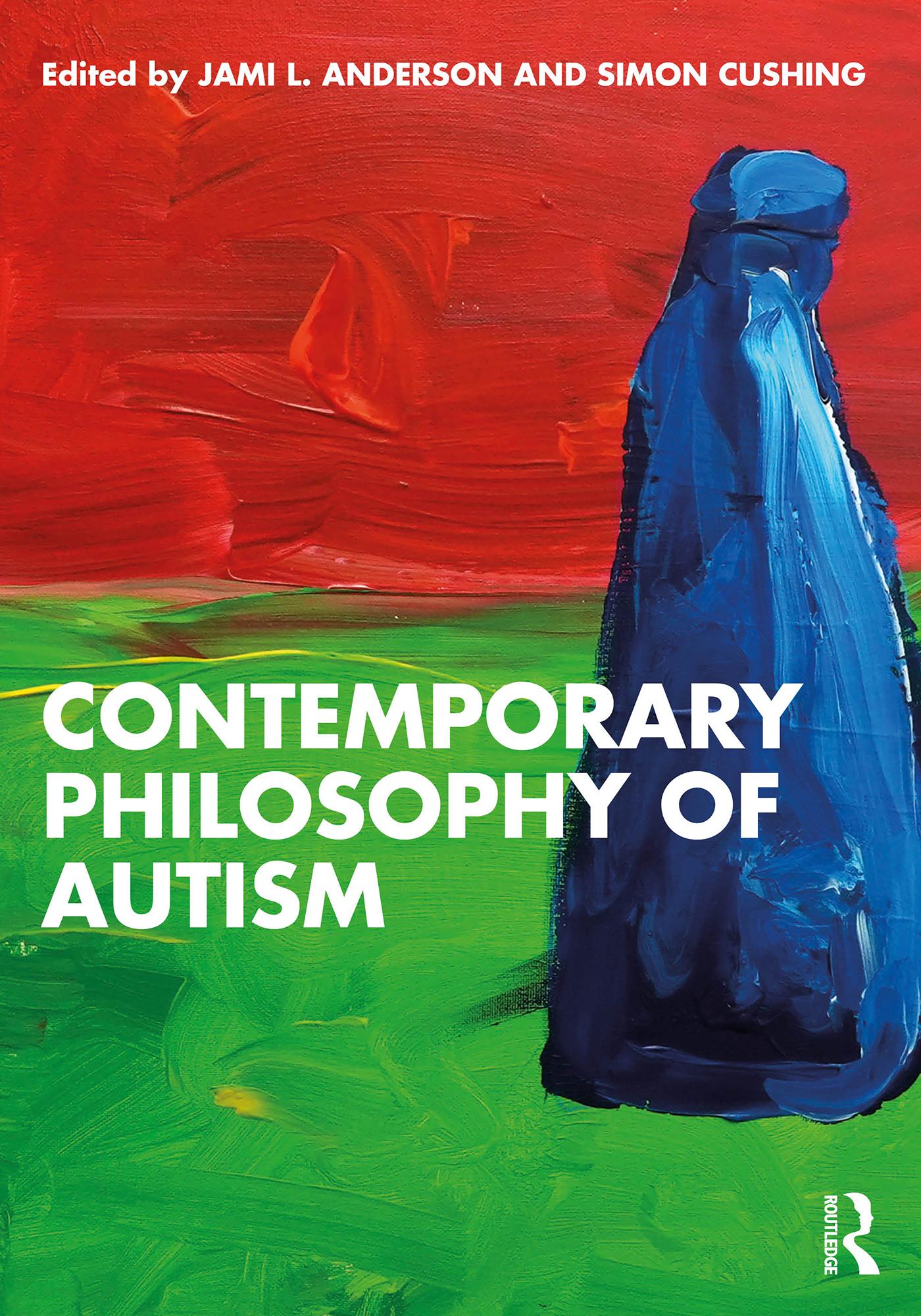
This volume explores interesting and emerging philosophical questions related to autism. It sheds light on the ways in which cultural attitudes about autism have changed in the decade since the editors published their first volume on the philosophy of autism.
So much about autism has changed in the last decade. Cultural attitudes about autism are far more nuanced. Self-identification as autistic has exploded, as have discussions of the political and social implications for being an out autistic person. This volume approaches a wide range of issues that autism raises in social and political theory, ethics, philosophy of social science, epistemology, metaphysics, and law. The issues addressed include moral responsibility, autism and gender, knowledge acquisition, the double empathy problem, social cognition, vulnerability in interpersonal communication, masking, the neurodiversity movement and destigmatization, and the effectiveness of ABA therapy. Each of the contributors, many of whom self-identify as autistic, has a personal connection with autism.
Contemporary Philosophy of Autism will appeal to researchers and graduate students working in philosophy of mind, philosophy of cognitive science, epistemology, philosophy of medicine, and disability studies. It will appeal to those working in other academic fields such as developmental psychology, neuropsychology, cognitive psychology, and education.
Paga facilmente con carta, Klarna, Apple Pay o Google Pay. Non sei soddisfatto? Hai sempre 14 giorni per il rimborso. Leggi di più nei nostri termini. Per qualsiasi domanda, scrivici a hello@memmo.org.
Memmo rende lo studio più facile, ovunque tu sia nel mondo. Qui trovi i tuoi libri di testo e strumenti di studio intelligenti, tutto in un unico posto: riassunti, quiz, podcast e flashcard. E poi c'è Ted, il tuo compagno di studio che risponde a ogni tua domanda. Oltre 50.000 studenti studiano già qui: è stato creato per aiutarti a imparare più velocemente e a stressarti meno.