
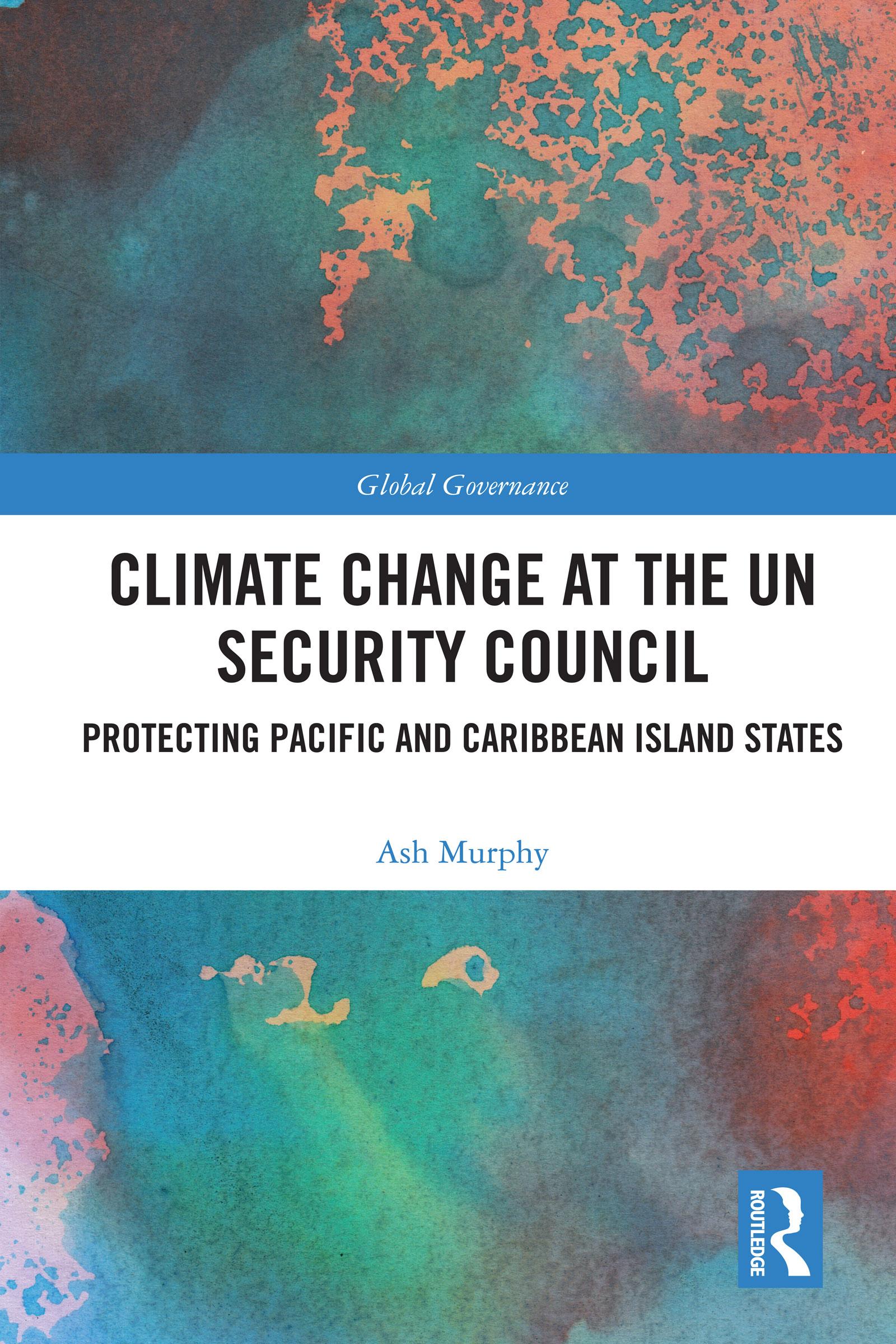
This book examines the operation of the United Nations Security Council (UNSC) to better understand the motivating factors that underpin its activation of Article 39. Arguing that climate change should be considered a threat to international peace and security, the theory of securitisation is employed to dissect the UNSC and identify the power dynamics that dictate when and why Article 39 is activated. Exploring how contemporary threats to peace and security can unite the agenda of the UNSC and shedding light on the narratives used to reach consensus, the author considers how this knowledge might be purposed to support the transition of climate change into the realm of Article 39. How necessary and useful a UNSC resolution would be is given thought, and a possible pathway to achieving it is outlined.
Aimed at academics and institutions that commentate on the UNSC, climate change, securitisation theory and undergraduate and postgraduate students of law, international relations, UN law, and those undertaking environmental studies, this book will also be of interest to practitioners and diplomats in and outside of the UN and anyone seeking to further the climate security nexus.
Paga facilmente con carta, Klarna, Apple Pay o Google Pay. Non sei soddisfatto? Hai sempre 14 giorni per il rimborso. Leggi di più nei nostri termini. Per qualsiasi domanda, scrivici a hello@memmo.org.
Memmo rende lo studio più facile, ovunque tu sia nel mondo. Qui trovi i tuoi libri di testo e strumenti di studio intelligenti, tutto in un unico posto: riassunti, quiz, podcast e flashcard. E poi c'è Ted, il tuo compagno di studio che risponde a ogni tua domanda. Oltre 50.000 studenti studiano già qui: è stato creato per aiutarti a imparare più velocemente e a stressarti meno.