
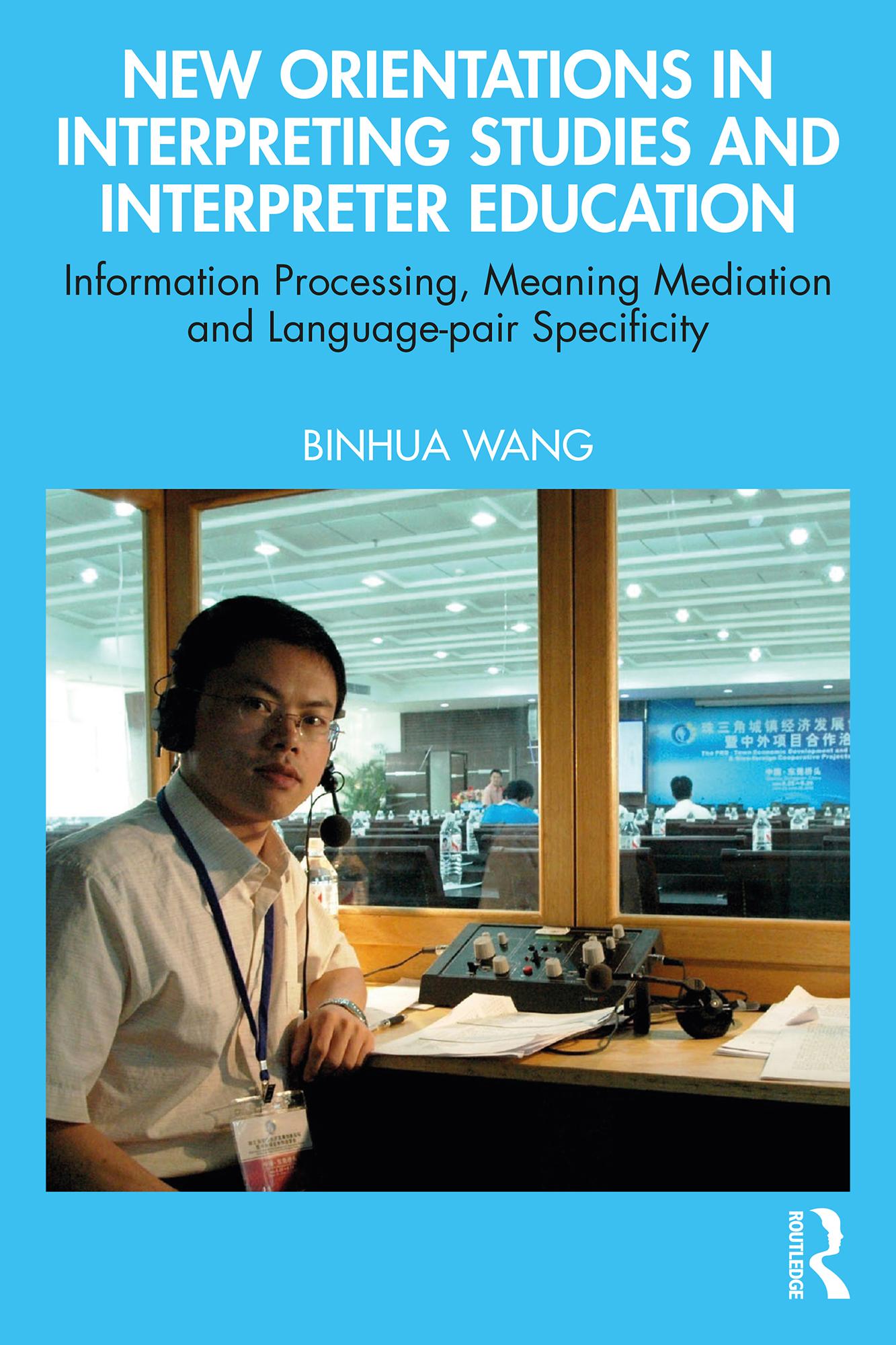
This book proposes a multidimensional model that revisits the epistemology of interpreting studies and the distinctive features of interpreting, and outlines three new research orientations.
The first considers interpreting as immediate bilingual information processing, the second considers interpreting as meaning mediation in cross-lingual interpersonal communication and cross-sociocultural interaction, and the third looks at language-pair specificity in interpreting. The main research topics, concepts and methods are covered, and case studies and examples are provided. The author also proposes a multicomposite framework of interpreter competence as the conceptual foundation of interpreter education in the AI era, for which three major shifts are identified as necessary, particularly the transition from interpreting skill training to interpreter competence development.
The research orientations discussed in this book are important as they shed new light on the nature and mechanism of interpreting, open up new venues for interpreting studies and provide meaningful responses to new issues emerging from changes in the interpreting profession with the development of AI technologies.
This is essential reading for all engaged in teaching, researching and studying interpreting and interpreting studies.
Paga facilmente con carta, Klarna, Apple Pay o Google Pay. Non sei soddisfatto? Hai sempre 14 giorni per il rimborso. Leggi di più nei nostri termini. Per qualsiasi domanda, scrivici a hello@memmo.org.
Memmo rende lo studio più facile, ovunque tu sia nel mondo. Qui trovi i tuoi libri di testo e strumenti di studio intelligenti, tutto in un unico posto: riassunti, quiz, podcast e flashcard. E poi c'è Ted, il tuo compagno di studio che risponde a ogni tua domanda. Oltre 50.000 studenti studiano già qui: è stato creato per aiutarti a imparare più velocemente e a stressarti meno.