
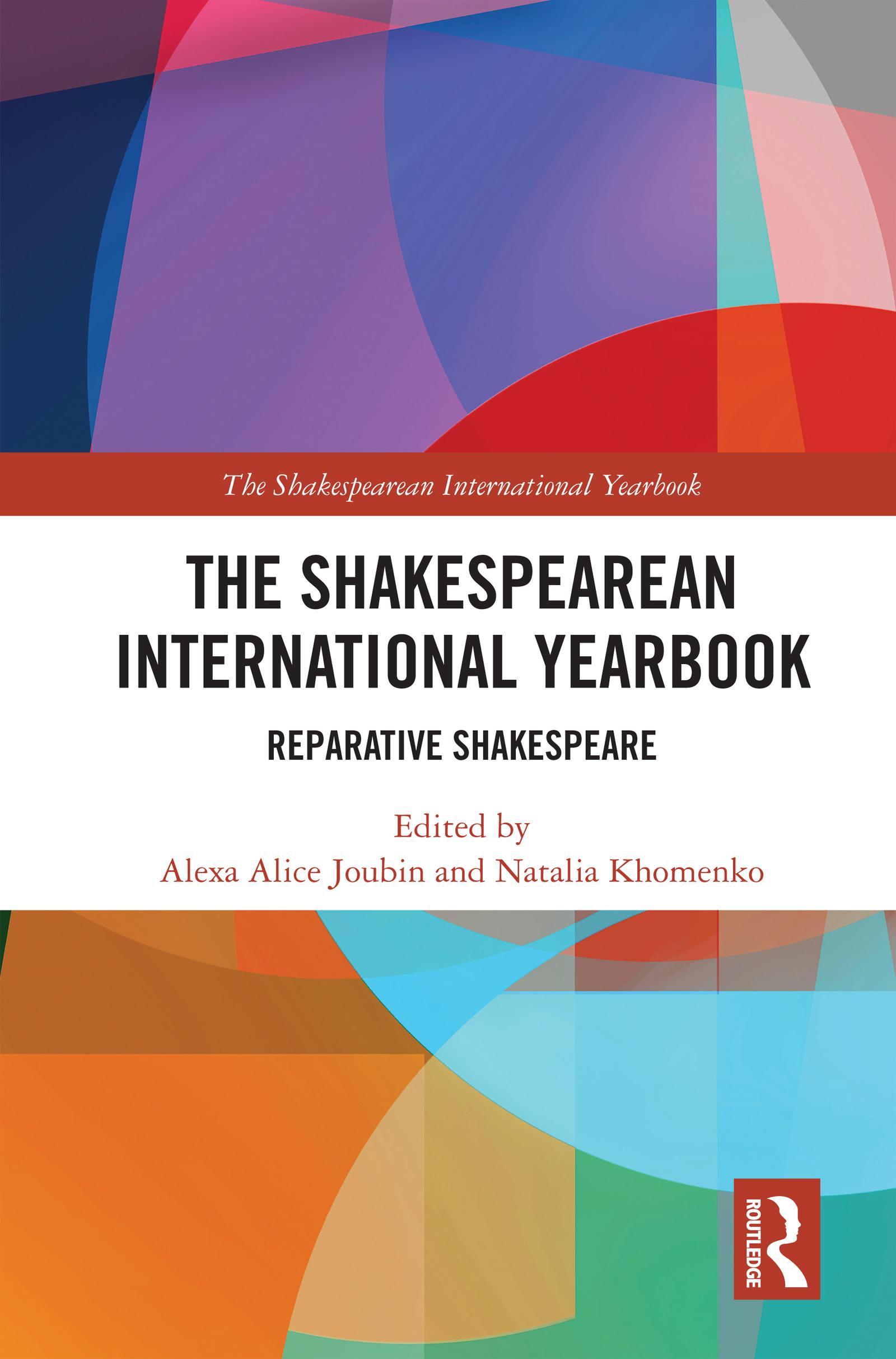
In the modern world, references to Shakespeare frequently mark moments of catastrophe and of the accompanying longing for restoring social order, remedying injuries, and building strong communities. Shakespeare’s moral authority has often been invoked to support artistic projects that claimed social justice as their goal on the assumption that drama has the power to manipulate perceptual reality. Drawing on cases from around the world, this book interrogates the idea that performing or reading Shakespeare has socially reparative value. It also acknowledges Shakespeare as a potential source of social well-being practices in the arts. The global framework shows that it is problematic to view Shakespeare as an impartial moral center.
This book proposes that reparative creativity, or remedial uses of the canon, can give artists and audiences more agency. Having a map of canonical texts’ hidden ideologies can help readers, artists, and playgoers navigate its landscape, which is in itself a reparative act.
Paga facilmente con carta, Klarna, Apple Pay o Google Pay. Non sei soddisfatto? Hai sempre 14 giorni per il rimborso. Leggi di più nei nostri termini. Per qualsiasi domanda, scrivici a hello@memmo.org.
Memmo rende lo studio più facile, ovunque tu sia nel mondo. Qui trovi i tuoi libri di testo e strumenti di studio intelligenti, tutto in un unico posto: riassunti, quiz, podcast e flashcard. E poi c'è Ted, il tuo compagno di studio che risponde a ogni tua domanda. Oltre 50.000 studenti studiano già qui: è stato creato per aiutarti a imparare più velocemente e a stressarti meno.