
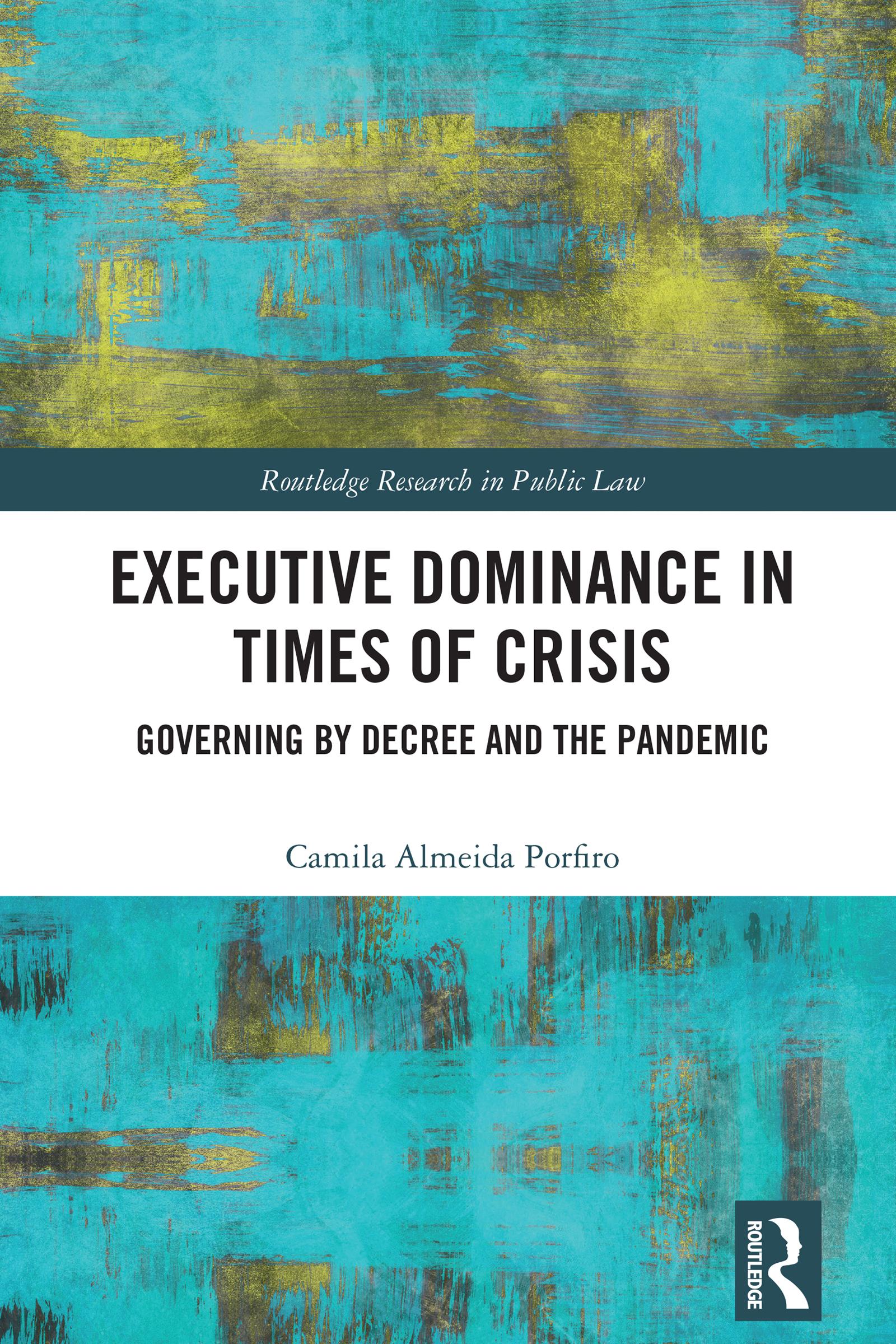
In recent times, there has been a growing dominance of executives centered on the figure of a central leader, while parliaments, which should be the focus of political power, are being marginalized. This development reflects a historical process that has only worsened with the COVID-19 emergency. This book argues that the frequent use of unilateral acts by the executive, exacerbated in times of emergency, can lead to a process of serious democratic erosion. It holds that the unlimited expansion of unilateral action is incompatible with the principle of separation of powers and the basic elements of a constitutional democracy. The judicial and legislative branches, especially in times of crisis, must exercise firm control over executive acts. It puts forward the case that they should limit abuses and risks to democracy based on parameters that are attentive to democratic principles, institutional capacities, and the protection of fundamental rights. In this scenario, the book offers a contemporary analysis of executive dominance in Brazil, Italy, and Germany, particularly in the context of the COVID-19 pandemic. It engages with traditional literature on the subject while providing a novel perspective, particularly in relation to the Global South. The book will be of interest to academics and researchers working in the areas of constitutional law and politics, administrative law, and international and comparative law.
Paga facilmente con carta, Klarna, Apple Pay o Google Pay. Non sei soddisfatto? Hai sempre 14 giorni per il rimborso. Leggi di più nei nostri termini. Per qualsiasi domanda, scrivici a hello@memmo.org.
Memmo rende lo studio più facile, ovunque tu sia nel mondo. Qui trovi i tuoi libri di testo e strumenti di studio intelligenti, tutto in un unico posto: riassunti, quiz, podcast e flashcard. E poi c'è Ted, il tuo compagno di studio che risponde a ogni tua domanda. Oltre 50.000 studenti studiano già qui: è stato creato per aiutarti a imparare più velocemente e a stressarti meno.