
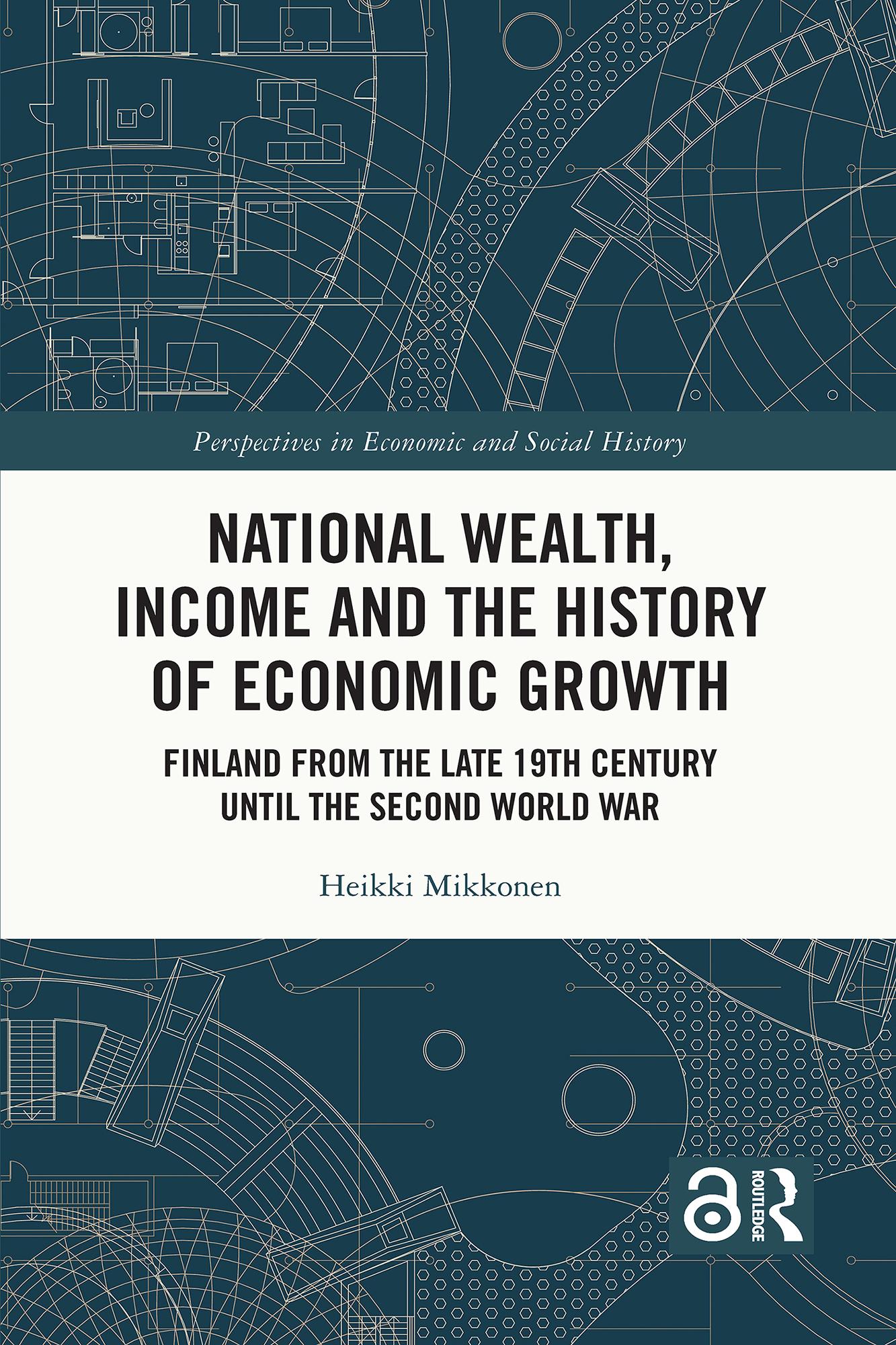
Despite its current dominant status, economic growth emerged as a field of study and as a political objective only after the Second World War. This book provides an alternative perspective to the Anglo-centric historical analysis of growth by turning the focus on Finland and other Nordic countries from the late 19th century until the Second World War. Moreover, it provides a conceptual history perspective to how economic growth can be examined before the emergence of economic growth as a concept.
This book places Finland in the context of emerging nation-states of the early 20th-century Europe and constructs five competing growth conceptions: classical liberal, agrarian conservative, social liberal, social democratic, and communist. With a methodology derived from conceptual history, this book presents a framework to study economic growth in the context of nationalism. It showcases how ideas related to growth have not been synonymous with capitalism, but rather they have been connected to state-building and to comparison of economic systems. The findings of the book highlight the interwar period as a key turning point in historical analysis of growth.
This book provides a fresh and a thought-provoking account that will be of interest to students and scholars of economic history, history of ideas, development studies and degrowth, and history of capitalism.
Paga facilmente con carta, Klarna, Apple Pay o Google Pay. Non sei soddisfatto? Hai sempre 14 giorni per il rimborso. Leggi di più nei nostri termini. Per qualsiasi domanda, scrivici a hello@memmo.org.
Memmo rende lo studio più facile, ovunque tu sia nel mondo. Qui trovi i tuoi libri di testo e strumenti di studio intelligenti, tutto in un unico posto: riassunti, quiz, podcast e flashcard. E poi c'è Ted, il tuo compagno di studio che risponde a ogni tua domanda. Oltre 50.000 studenti studiano già qui: è stato creato per aiutarti a imparare più velocemente e a stressarti meno.