
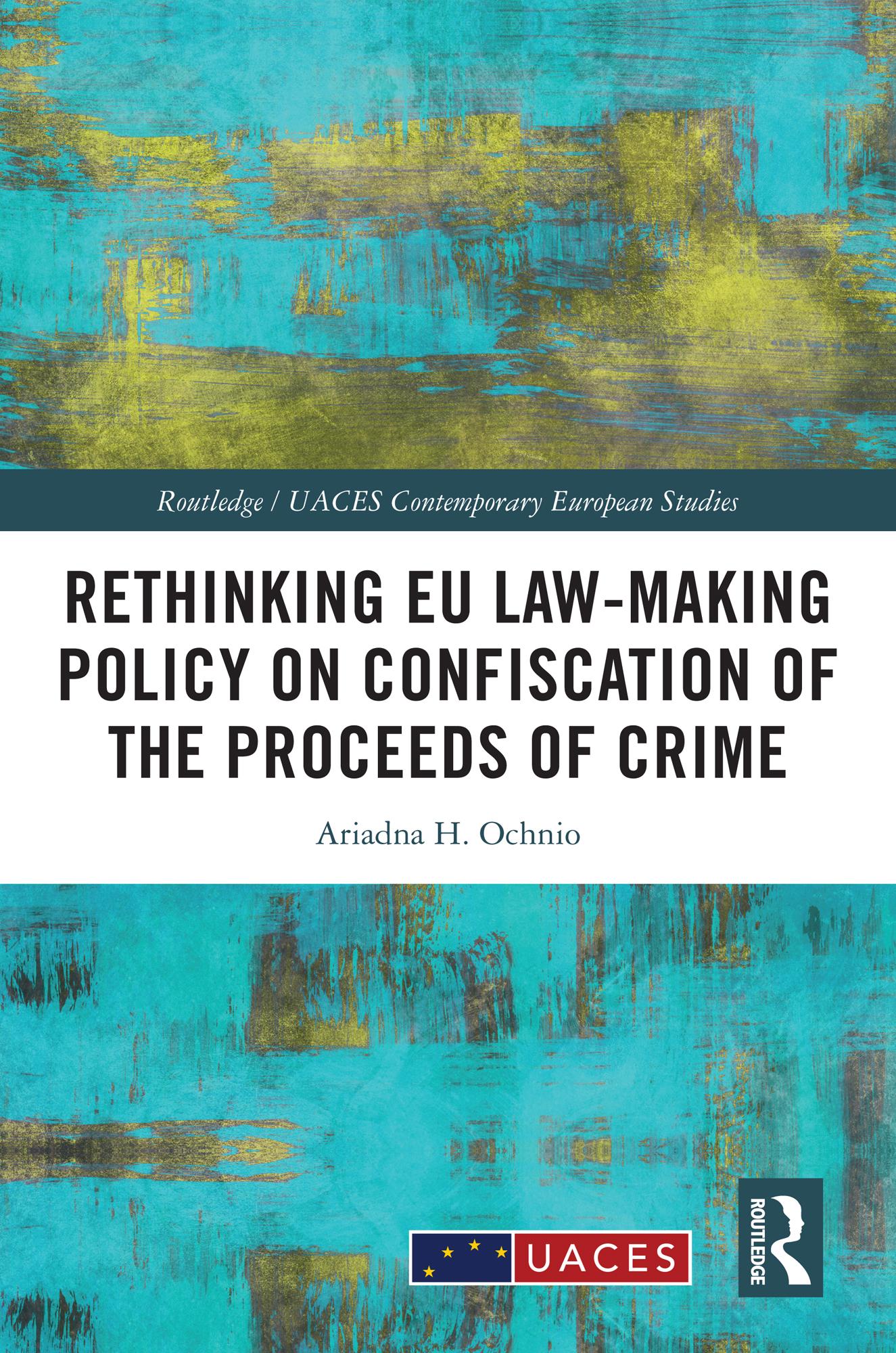
The book provides a critical analysis of EU law-making policy on the confiscation of the proceeds of crime, using a minimalist restorative approach to justice focused on the rights of victims and communities, and more proactive roles for all participants in confiscation procedures.
This book shows how the examined policy has been translated into the EU law standards adopted as its realisation and whether the gaps identified in these standards are reflected in the domestic law of the comparator EU jurisdictions: Poland, Germany, and France. The post-conviction confiscation regime in England and Wales is also explored as an example of an alternative non-EU model of value-based confiscation. Considering the complex juridical nature of confiscation, which challenges the applicability of the civil–criminal dichotomy, this book recommends a twofold approach when shaping EU confiscation mechanisms, focused on linking policy objectives with a restorative approach to justice, and making the appropriate choice of criminal or civil routes for confiscation.
This book will be of key interest to scholars, students, and practitioners in EU policy and law, criminal law, EU and national law on confiscation, EU criminal justice policy, and more broadly to European studies, criminology, and international organisations.
Paga facilmente con carta, Klarna, Apple Pay o Google Pay. Non sei soddisfatto? Hai sempre 14 giorni per il rimborso. Leggi di più nei nostri termini. Per qualsiasi domanda, scrivici a hello@memmo.org.
Memmo rende lo studio più facile, ovunque tu sia nel mondo. Qui trovi i tuoi libri di testo e strumenti di studio intelligenti, tutto in un unico posto: riassunti, quiz, podcast e flashcard. E poi c'è Ted, il tuo compagno di studio che risponde a ogni tua domanda. Oltre 50.000 studenti studiano già qui: è stato creato per aiutarti a imparare più velocemente e a stressarti meno.