
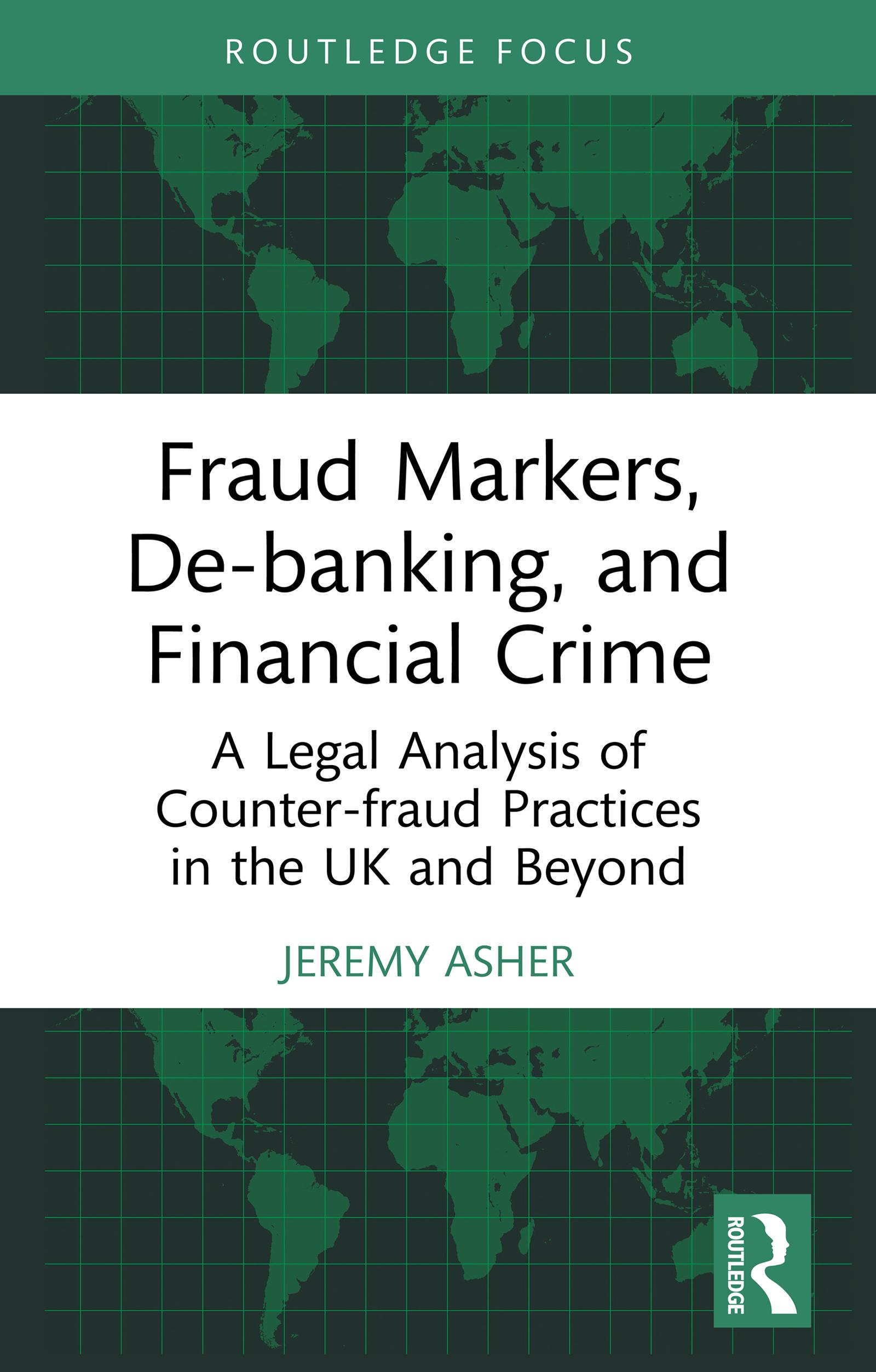
This book enlightens the reader as to how the financial sector in the UK operates fraud databases to help combat fraud and explains the phenomenon of ‘debanking’. It considers the unique confluence of necessity, a flexible regulatory framework, and recent history of collaboration that now places fraud databases and data-sharing at the heart of the UK’s multi-agency counter-fraud strategy. It offers a practical slant to the theory behind the secretive counter-fraud and money-laundering investigation techniques, technology, and practices employed by financial organisations to disrupt fraud and money laundering. The work explains how and why the UK leads the world in this field, what progress is being made internationally to replicate these systems, and the legislative hurdles that need to be overcome to enable the level of data sharing required to make fraud databases operationally successful. It also explores the worrying trends and practices in the systems used which have adversely impacted on both innocent parties and the victims of fraud. Drawing on real-life examples, the book explores the benefits of transparency and whether the databases and the organisations that utilise them can better build fairness into their systems. It will be an invaluable resource for researchers, practitioners and policy-makers working in the areas of counter-fraud and anti-money laundering.
Paga facilmente con carta, Klarna, Apple Pay o Google Pay. Non sei soddisfatto? Hai sempre 14 giorni per il rimborso. Leggi di più nei nostri termini. Per qualsiasi domanda, scrivici a hello@memmo.org.
Memmo rende lo studio più facile, ovunque tu sia nel mondo. Qui trovi i tuoi libri di testo e strumenti di studio intelligenti, tutto in un unico posto: riassunti, quiz, podcast e flashcard. E poi c'è Ted, il tuo compagno di studio che risponde a ogni tua domanda. Oltre 50.000 studenti studiano già qui: è stato creato per aiutarti a imparare più velocemente e a stressarti meno.