
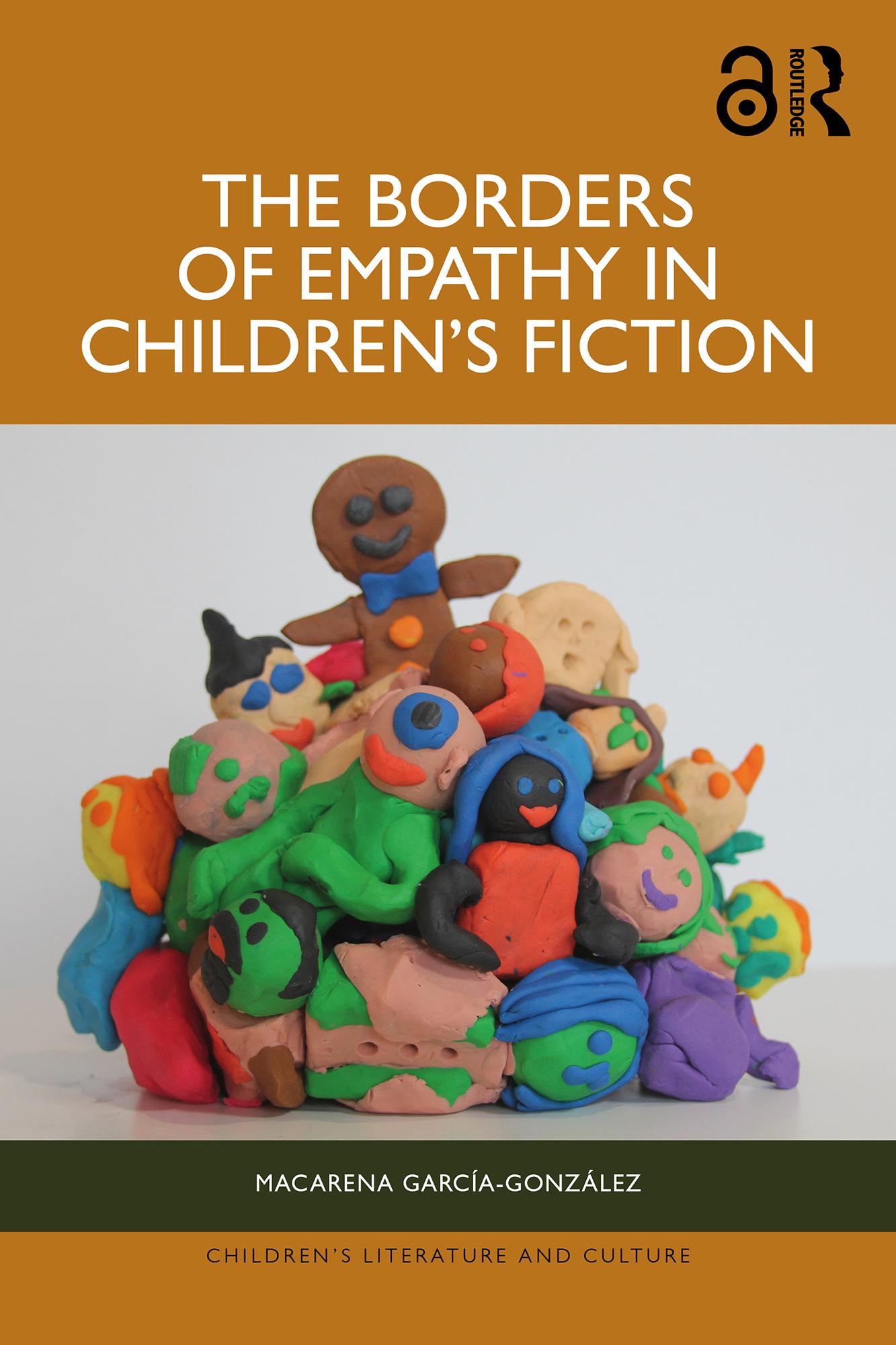
The Borders of Empathy in Children’s Fiction centres the question of how reading fiction develops our moral imagination and our capacities to think and feel with others. The question is approached with a good dose of scepticism, revising tensions between ethical, aesthetical, and pedagogical dimensions when certain books, films, and other cultural materials are recommended for children. This volume examines how texts addressed to children are meant to assist socioemotional education and whether we put forward adultist assumptions around such conceptualisations of the emotional. The book is organised into nine chapters, with some of them focusing on "difficult" themes —such as violence, xenophobia, death, migration, as well as gender and social exclusions— and some others on more general relationships between emotions, media, and education. The chapters combine a textual analysis of recommended cultural materials for children with insights from empirical research and ethnographic approaches to children’s cultures. A common thread throughout the book is the open question about the epistemic injustices in knowing children and childhood and how this may be overcome by shifting our research practices with posthumanist philosophies.
The Open Access version of this book, available at http://www.taylorfrancis.com, has been made available under a Creative Commons Attribution-Non Commercial-No Derivatives (CC BY-NC-ND) 4.0 license.
Paga facilmente con carta, Klarna, Apple Pay o Google Pay. Non sei soddisfatto? Hai sempre 14 giorni per il rimborso. Leggi di più nei nostri termini. Per qualsiasi domanda, scrivici a hello@memmo.org.
Memmo rende lo studio più facile, ovunque tu sia nel mondo. Qui trovi i tuoi libri di testo e strumenti di studio intelligenti, tutto in un unico posto: riassunti, quiz, podcast e flashcard. E poi c'è Ted, il tuo compagno di studio che risponde a ogni tua domanda. Oltre 50.000 studenti studiano già qui: è stato creato per aiutarti a imparare più velocemente e a stressarti meno.