
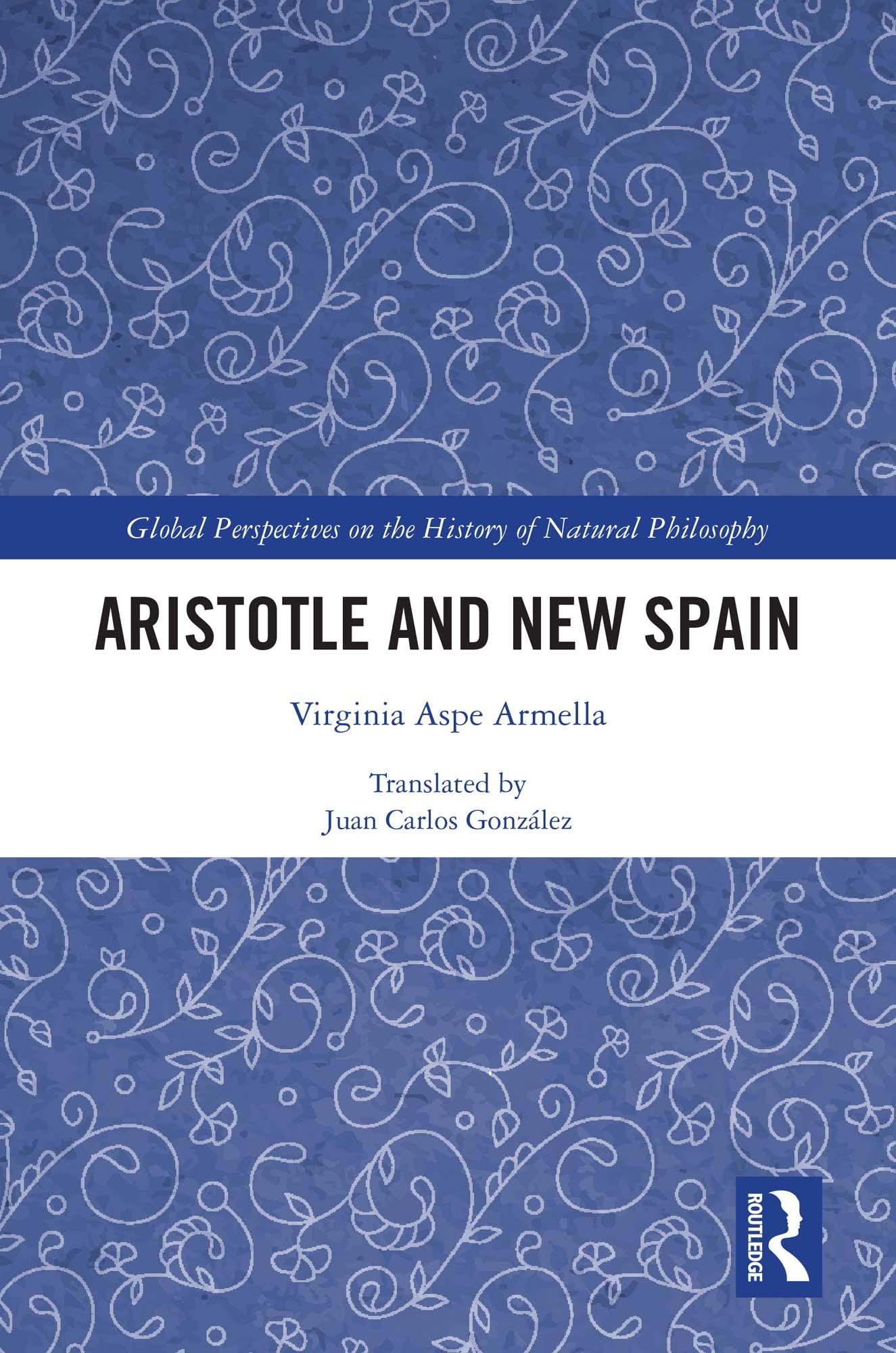
This book is a detailed exploration of the Hispanic intellectual context and the different Aristotelian traditions that prevailed until the 16th century. Through a review and contextualisation of Aristotelian thinkers and texts, it argues that a unique Aristotelian tradition was formed in New Spain.
The characteristic differences of Novohispanic Aristotelianism are a consequence of five factors: contact with the autochthonous cultures of America, the impact of the colonial organisation, the influence of the Salamanca humanist tradition, the presence of the Italian Aristotelianism of Renaissance translators in the university curricula and in the intellectual polemics of the time, and a peculiar assimilation of primitive and Old Testament Christianity in relation to indigenous people. This book analyses the works of Alonso de la Veracruz, Bartolomé de las Casas, Bernardino de Sahagún, Sor Juana Inés de la Cruz, Carlos de Sigüenza y Góngora, and Francisco Xavier Clavijero, reconsidering them in light of the history of ideas in New Spain and the contributions of Byzantine translators. It also offers a reflection on the problem of addressing Mexican colonial sources.
This volume will be of interest to undergraduate and postgraduate philosophy students, as well as to researchers focused on Aristotle, Renaissance philosophy, or Latin American studies.
Paga facilmente con carta, Klarna, Apple Pay o Google Pay. Non sei soddisfatto? Hai sempre 14 giorni per il rimborso. Leggi di più nei nostri termini. Per qualsiasi domanda, scrivici a hello@memmo.org.
Memmo rende lo studio più facile, ovunque tu sia nel mondo. Qui trovi i tuoi libri di testo e strumenti di studio intelligenti, tutto in un unico posto: riassunti, quiz, podcast e flashcard. E poi c'è Ted, il tuo compagno di studio che risponde a ogni tua domanda. Oltre 50.000 studenti studiano già qui: è stato creato per aiutarti a imparare più velocemente e a stressarti meno.