
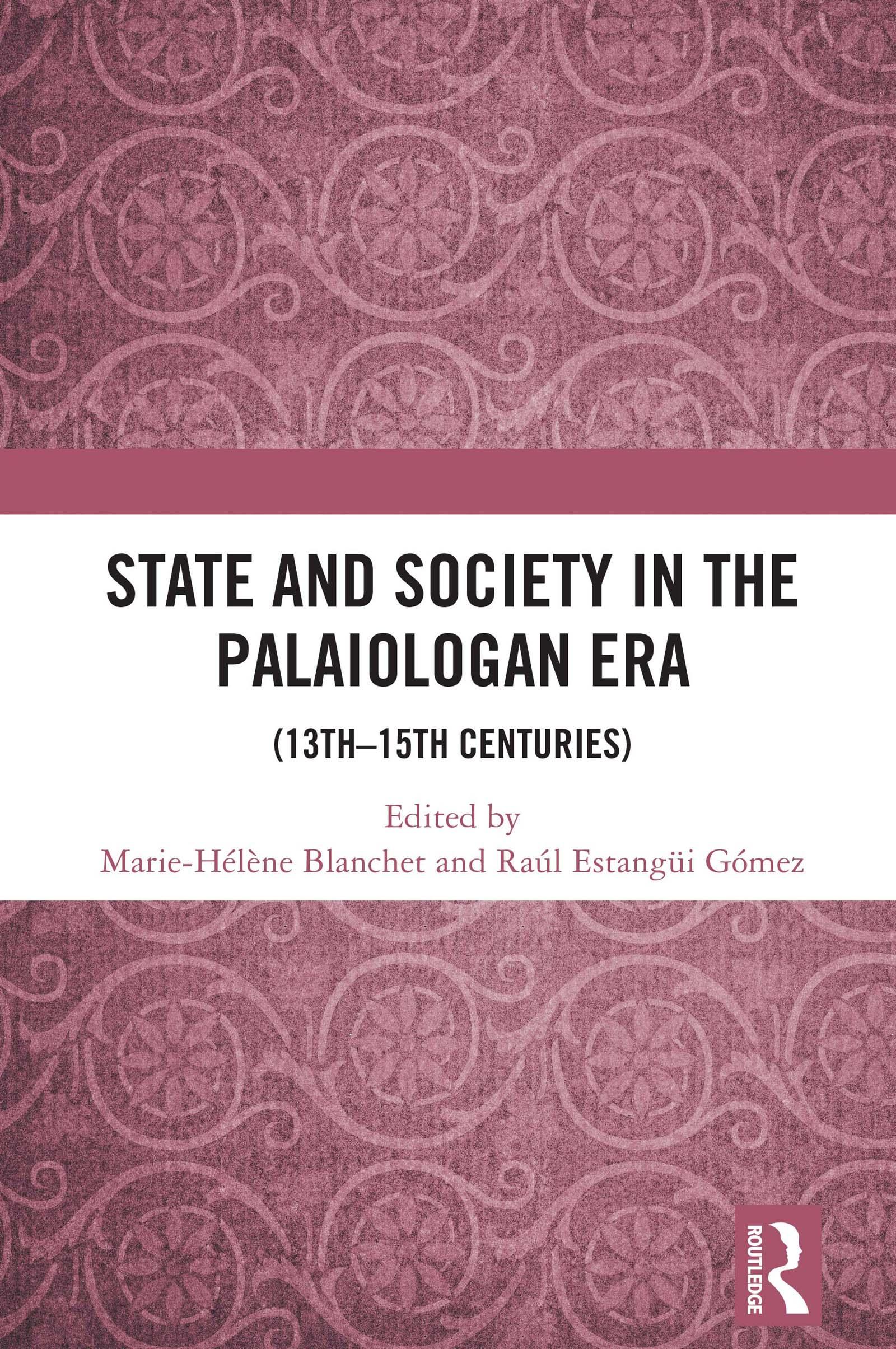
Often described as a period of decline and decadence, the history of the Byzantine Empire under the emperors of the Palaiologan dynasty (1261–1453) has undergone a considerable historiographical revival that has allowed this deeply negative image to be nuanced.
State and Society in the Palaiologan Era brings together articles by some of the best specialists in the field and addresses various aspects of the functioning of the Byzantine state and society in the Palaiologan period. These contributions reflect not only the dynamism of the Byzantine society, but also the divisions and challenges created by the deep transformations in the socioeconomic conditions of the time, and by the Ottoman conquest of the Byzantine territory. They show the capacity of the Byzantine state and institutions to adapt to a new political context, one of territorial shrinkage and instability, as well as the consequences of this instability for the society of the time, for its economic and charitable activities, for its spirituality and beliefs, and for the splits and conflicts opposing different categories of social actors.
This book aims to provide researchers with a series of studies whose methodology and results offer new insights into the complex, often contradictory phenomena that ran through the Byzantine world during the Palaiologan period. This collection of chapters will thus prove useful to all those interested in the Byzantine Empire at the end of the Middle Ages.
Paga facilmente con carta, Klarna, Apple Pay o Google Pay. Non sei soddisfatto? Hai sempre 14 giorni per il rimborso. Leggi di più nei nostri termini. Per qualsiasi domanda, scrivici a hello@memmo.org.
Memmo rende lo studio più facile, ovunque tu sia nel mondo. Qui trovi i tuoi libri di testo e strumenti di studio intelligenti, tutto in un unico posto: riassunti, quiz, podcast e flashcard. E poi c'è Ted, il tuo compagno di studio che risponde a ogni tua domanda. Oltre 50.000 studenti studiano già qui: è stato creato per aiutarti a imparare più velocemente e a stressarti meno.