
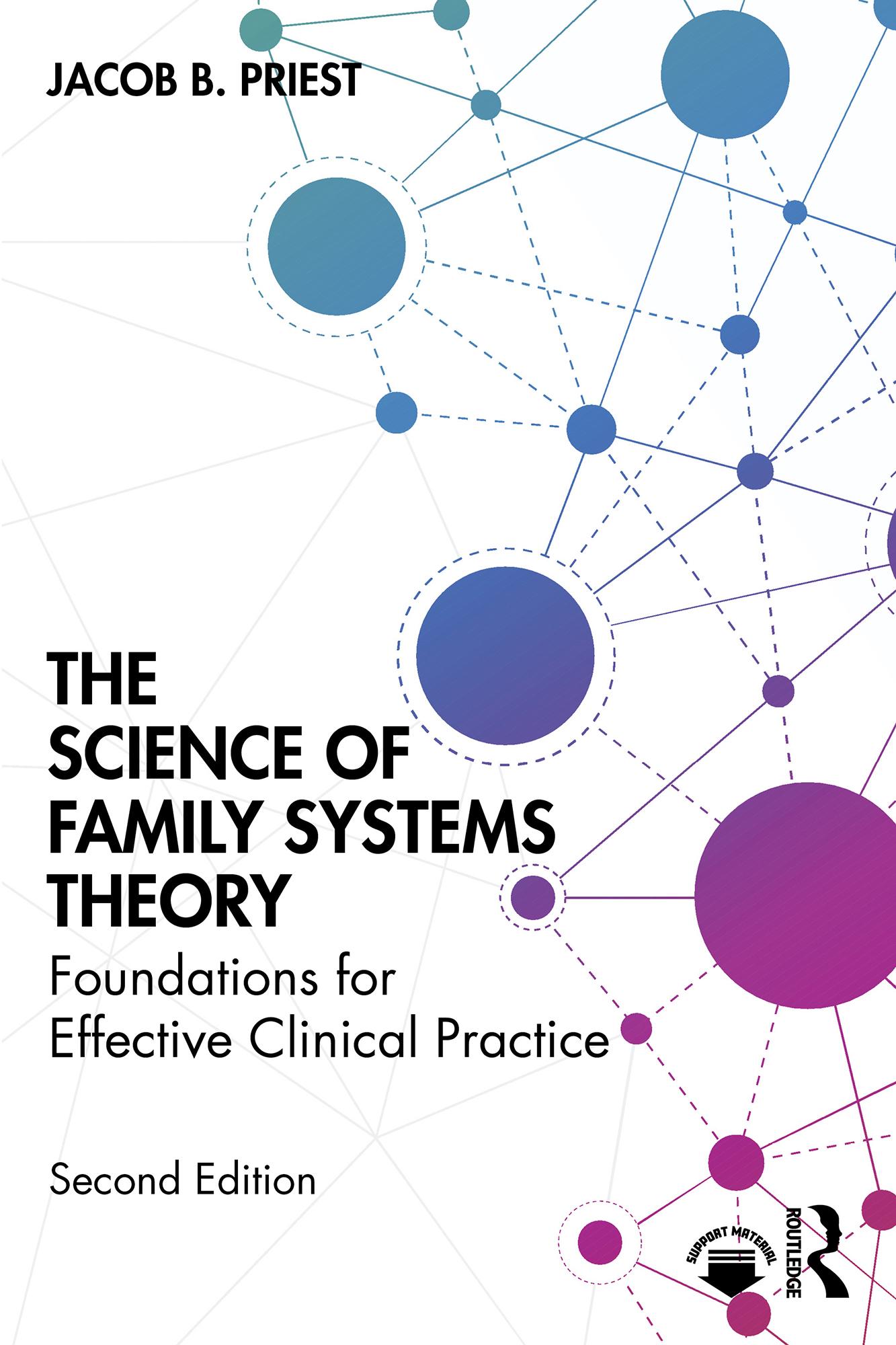
This fully updated, accessible text examines how the science of autonomy and adaptation informs all family therapy approaches and discusses how clinicians can use this science to improve their practice.
Focusing on how to integrate science as well as theory into clinical practice, the book provides an overview of science from multiple domains and ties it to family systems theory through the key framework of autonomy and adaptation. Drawing on research from genetics, physiology, emotion regulation, attachment, and triangulation, chapters demonstrate how a comprehensive science-informed theory of family systems can be applied to a range of problematic family patterns. The text also explores self-of-the-therapist work and considers how autonomy and attachment are connected to systems of power, privilege, and oppression. New to this edition are two chapters on common presenting problems in family therapy and how they can be understood through a family systems lens, as well as discussion questions and added online instructor materials.
Supported throughout by practical case examples, as well as questions for consideration, chapter summaries, and resource lists to further engage the reader, The Science of Family Systems Theory is an essential textbook for marriage and family therapy students as well as mental health professionals working with families.
Paga facilmente con carta, Klarna, Apple Pay o Google Pay. Non sei soddisfatto? Hai sempre 14 giorni per il rimborso. Leggi di più nei nostri termini. Per qualsiasi domanda, scrivici a hello@memmo.org.
Memmo rende lo studio più facile, ovunque tu sia nel mondo. Qui trovi i tuoi libri di testo e strumenti di studio intelligenti, tutto in un unico posto: riassunti, quiz, podcast e flashcard. E poi c'è Ted, il tuo compagno di studio che risponde a ogni tua domanda. Oltre 50.000 studenti studiano già qui: è stato creato per aiutarti a imparare più velocemente e a stressarti meno.