
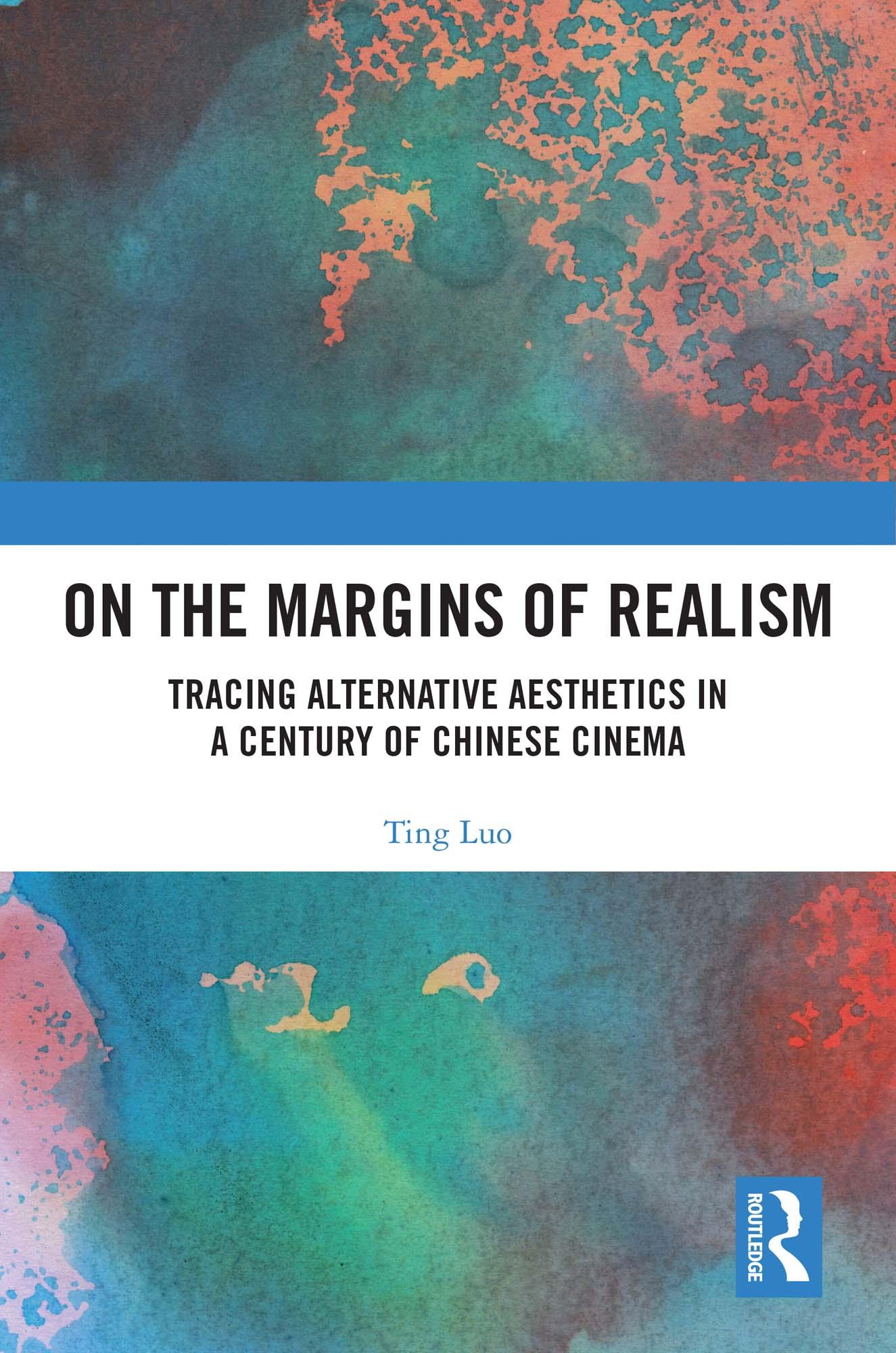
Realism has been endowed with a certain orthodox status as the aesthetic counterpart of China’s modernization, and studies of Chinese film history have largely accepted a master narrative of realism as the guiding aesthetic of mainland Chinese cinema. This book argues, however, that alternative aesthetics to realism have always existed in Chinese cinema throughout its history, from the early silent era to the new century.
The alternative aesthetics are closely linked to the indigenous Chinese ontology of cinema, namely, shadowplay (yingxi 影戲). The author presents an alternative account through a close examination of four distinct visual, narrative, and stylistic devices or themes that recur in different periods of Chinese film history: the dream representation, the doubling of characters, the device of self-reflexivity, and the allegorical construction of space. By considering specific films and scenes as problematic sites where history, politics, and aesthetics collide, this book also seeks to elucidate the relationship between cinema and the multifaceted experiences of Chinese modernity with respect to subjectivity, ideology, identity, and nationality.
This book will be of interest to scholars and students of Chinese cinemas, realism, and modernism.
Paga facilmente con carta, Klarna, Apple Pay o Google Pay. Non sei soddisfatto? Hai sempre 14 giorni per il rimborso. Leggi di più nei nostri termini. Per qualsiasi domanda, scrivici a hello@memmo.org.
Memmo rende lo studio più facile, ovunque tu sia nel mondo. Qui trovi i tuoi libri di testo e strumenti di studio intelligenti, tutto in un unico posto: riassunti, quiz, podcast e flashcard. E poi c'è Ted, il tuo compagno di studio che risponde a ogni tua domanda. Oltre 50.000 studenti studiano già qui: è stato creato per aiutarti a imparare più velocemente e a stressarti meno.