
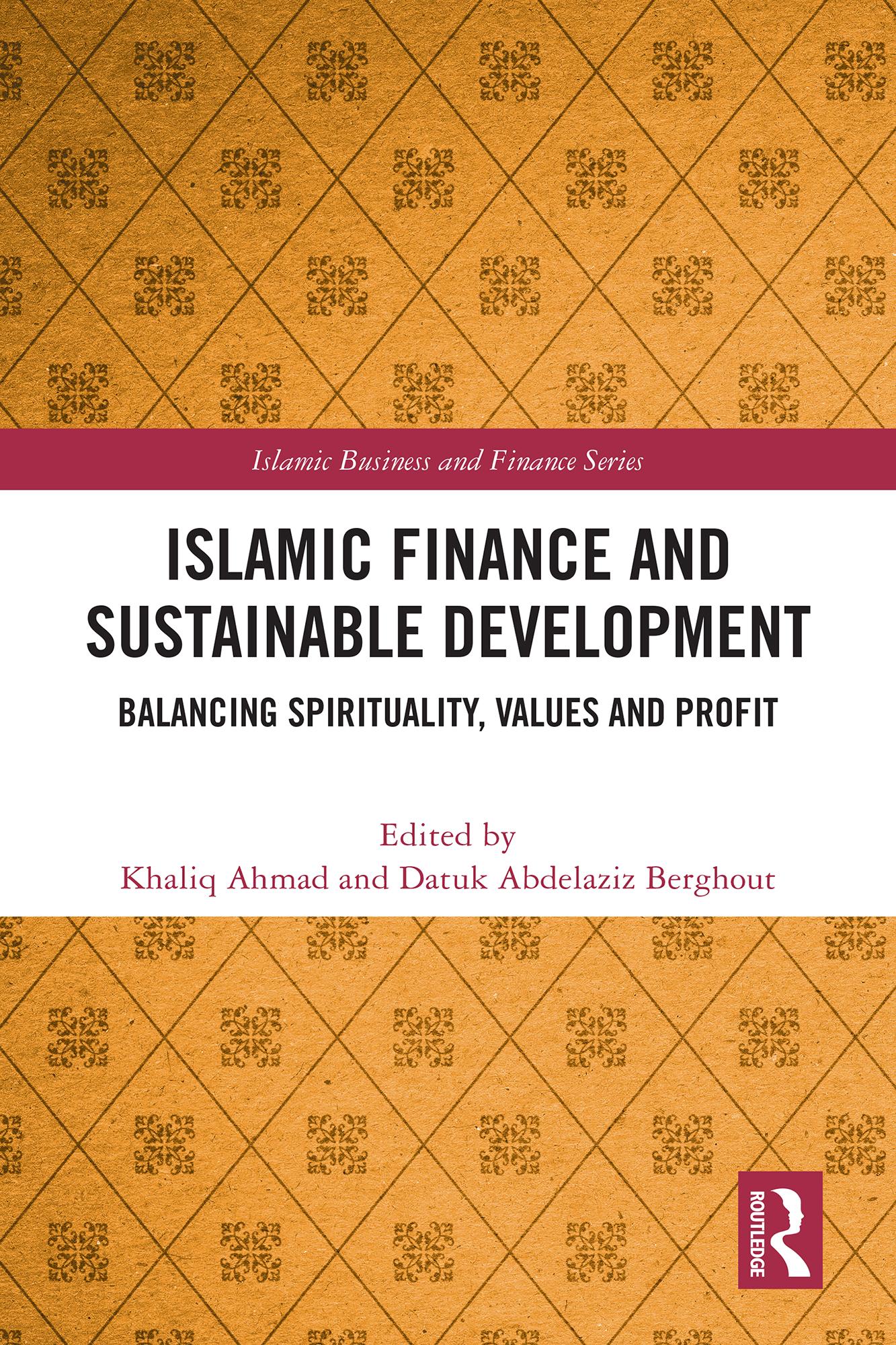
This book uncovers a new dimension in the study of sustainability, offering balanced development from a spiritual and cultural values perspective. The authors of this edited volume investigate the role of religion in the debate concerning the Sustainable Development Goals (SDGs) and offer an Islamic perspective to environment, social and governance (ESG) issues.
Applying a multidimensional approach to socio-economic development, this book contends that Islam offers a unique perspective and framework for sustainable development that is holistic and rooted in spirituality, morality and ethics. For example, the book explains how Islam lays emphasis on human talents development (SDGs 3 and 4), which is a key element in accelerating socio-economic growth (SDG-8). It also offers a wide range of social financial tools such as Zakat and Waqf that can be used to address SDGs 1 (poverty), 2 (hunger), 5 (gender equality) and 10 (reducing inequality). Islamic finance offers a number of tools for long-term financing such as sukuk that can masterfully be used for building sustainable infrastructure (SDG-9). The study also reviews some Islamic principles from the Holy Qur'an that can positively SDGs.
Students, scholars and researchers in the fields of Islamic economics and finance, sustainable development and socio-economic and environmental issues will find the book a valuable resource.
Paga facilmente con carta, Klarna, Apple Pay o Google Pay. Non sei soddisfatto? Hai sempre 14 giorni per il rimborso. Leggi di più nei nostri termini. Per qualsiasi domanda, scrivici a hello@memmo.org.
Memmo rende lo studio più facile, ovunque tu sia nel mondo. Qui trovi i tuoi libri di testo e strumenti di studio intelligenti, tutto in un unico posto: riassunti, quiz, podcast e flashcard. E poi c'è Ted, il tuo compagno di studio che risponde a ogni tua domanda. Oltre 50.000 studenti studiano già qui: è stato creato per aiutarti a imparare più velocemente e a stressarti meno.