
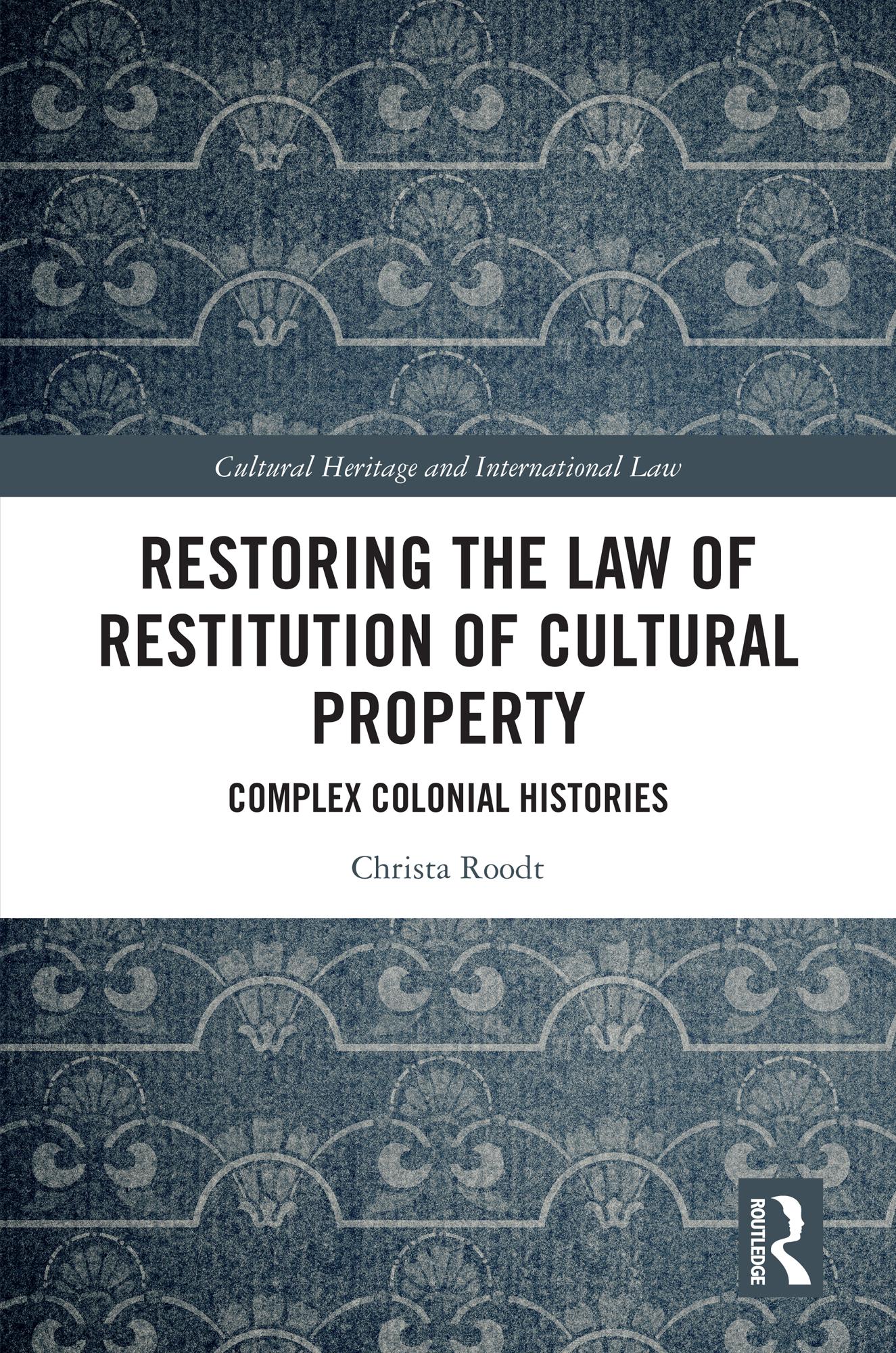
This groundbreaking book covers the restoration of the law of restitution of cultural property, matching the time, space, and depth dimensions of the law with the time, space, and ontology of events that violated persons and desecrated their heritage in the colonial era.
Using the contested ownership of the Parthenon Sculptures and the Zhanggong Zushi mummy encased in a Buddha statue as the main points of orientation, the book shows how the law of restitution could be ‘defragmented’ and ‘restored’ in respect of claims for the return of colonial-era and Indigenous cultural property disputes. The study argues that the secondary legal norms and common arguments of Private International Law can unlock governance functions and strategies that counter the effects of the narrow definition of the ‘sacred’ and the consistent refusal to consider an alternative chronosophy in restitution claims. When called upon to resist the detrimental effects of the mimetic dynamic in complex colonial contexts, the law stands to benefit from a legal-theoretical perspective that views law in relation to ethics and considers Private International Law, a model of ethics.
The book will be of interest to researchers in the field of cultural property law, heritage studies, Indigenous law, provenance, and applied ethics.
Paga facilmente con carta, Klarna, Apple Pay o Google Pay. Non sei soddisfatto? Hai sempre 14 giorni per il rimborso. Leggi di più nei nostri termini. Per qualsiasi domanda, scrivici a hello@memmo.org.
Memmo rende lo studio più facile, ovunque tu sia nel mondo. Qui trovi i tuoi libri di testo e strumenti di studio intelligenti, tutto in un unico posto: riassunti, quiz, podcast e flashcard. E poi c'è Ted, il tuo compagno di studio che risponde a ogni tua domanda. Oltre 50.000 studenti studiano già qui: è stato creato per aiutarti a imparare più velocemente e a stressarti meno.