
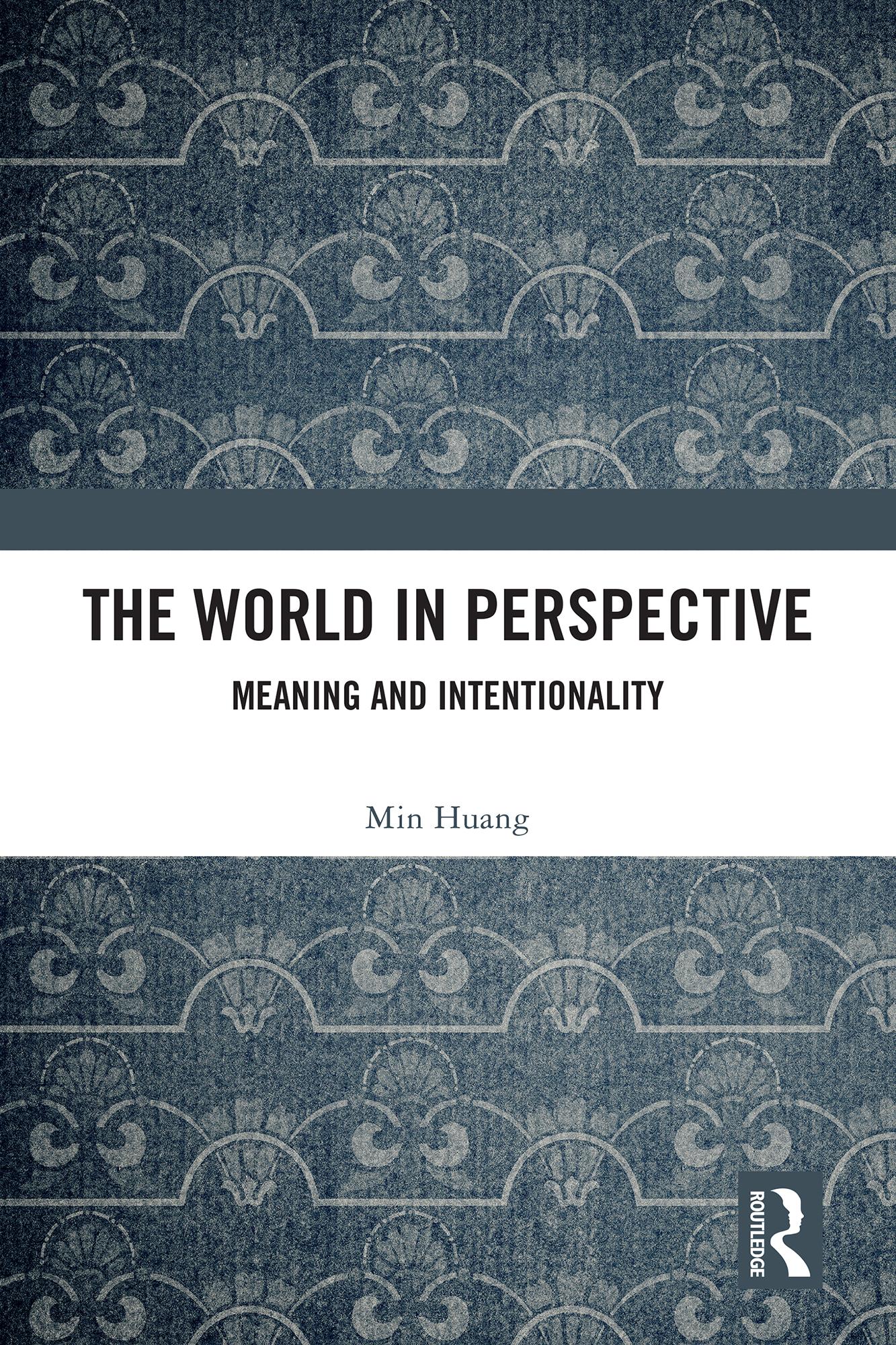
This book aims to reclaim the significance of meaning within the philosophical thinking that has evolved from Descartes and Locke through Kant, Husserl, and Frege, focusing on intentionality—the mind's directedness toward the reality.
The author opens with an epistemological account of analyticity and illustrates the central role of intentionality within it. A transcendentalist view on intentionality is then adopted, in contrast with the prevalent naturalist stance. Addressing key themes in the philosophy of language—truth, representation, propositions, predication, reference, and sense— the book presents a framework for a meaning–intentionality theory, which integrates key insights from Frege, Husserl, Wittgenstein, Dummett, and Davidson.
The book will appeal to scholars and graduate students of epistemology, philosophy of language, philosophy of mind, theory of meaning, and theory of intentionality.
Paga facilmente con carta, Klarna, Apple Pay o Google Pay. Non sei soddisfatto? Hai sempre 14 giorni per il rimborso. Leggi di più nei nostri termini. Per qualsiasi domanda, scrivici a hello@memmo.org.
Memmo rende lo studio più facile, ovunque tu sia nel mondo. Qui trovi i tuoi libri di testo e strumenti di studio intelligenti, tutto in un unico posto: riassunti, quiz, podcast e flashcard. E poi c'è Ted, il tuo compagno di studio che risponde a ogni tua domanda. Oltre 50.000 studenti studiano già qui: è stato creato per aiutarti a imparare più velocemente e a stressarti meno.